Beyond the Screen: Capturing the Intensity of Alana Boden’s Performance Style
Alana Boden’s mastery of silence and micro-expression offers a masterclass for digital creators. Learn how to translate these dramatic techniques into your own storytelling using AI.
Alana Boden’s screen presence is defined not by what she says, but by the command she holds during moments of silence. In an era where digital content often prioritizes rapid-fire editing and constant audio stimulation, her ability to pivot from raw vulnerability to calculated, icy intensity stands out as a deliberate, high-level performance choice. She utilizes micro-expressions—a tightening of the jaw, a subtle shift in gaze, or a momentary hesitation—to signal deep internal conflict long before a line of dialogue is actually delivered.
For the modern content creator, this approach serves as a masterclass in pacing and narrative tension. Many creators fall into the trap of feeling that every second of a video must be filled with frantic movement or loud audio to prevent viewer drop-off. However, Boden’s work demonstrates that true engagement is often built in the gaps. By holding a frame, you force the viewer to lean in, creating an intimacy that a constant stream of information simply cannot replicate. When scripting your own content, consider where you can strip away the noise to let a single, heavy emotional beat land with impact.
The Anatomy of a Modern Lead
To emulate this level of performance, you must treat your script like a musical score. Identify the "emotional pivot" in your video—that specific moment where the character's intent shifts. If you are creating a monologue, do not rush to the punchline. Allow the delivery to sit with the weight of the previous sentence. This technical control is what separates a generic clip from a compelling piece of media that sticks with an audience. If you are using digital tools to augment your storytelling, you can use an AI version of a celebrity to test how different cadences and tones change the emotional resonance of your writing.
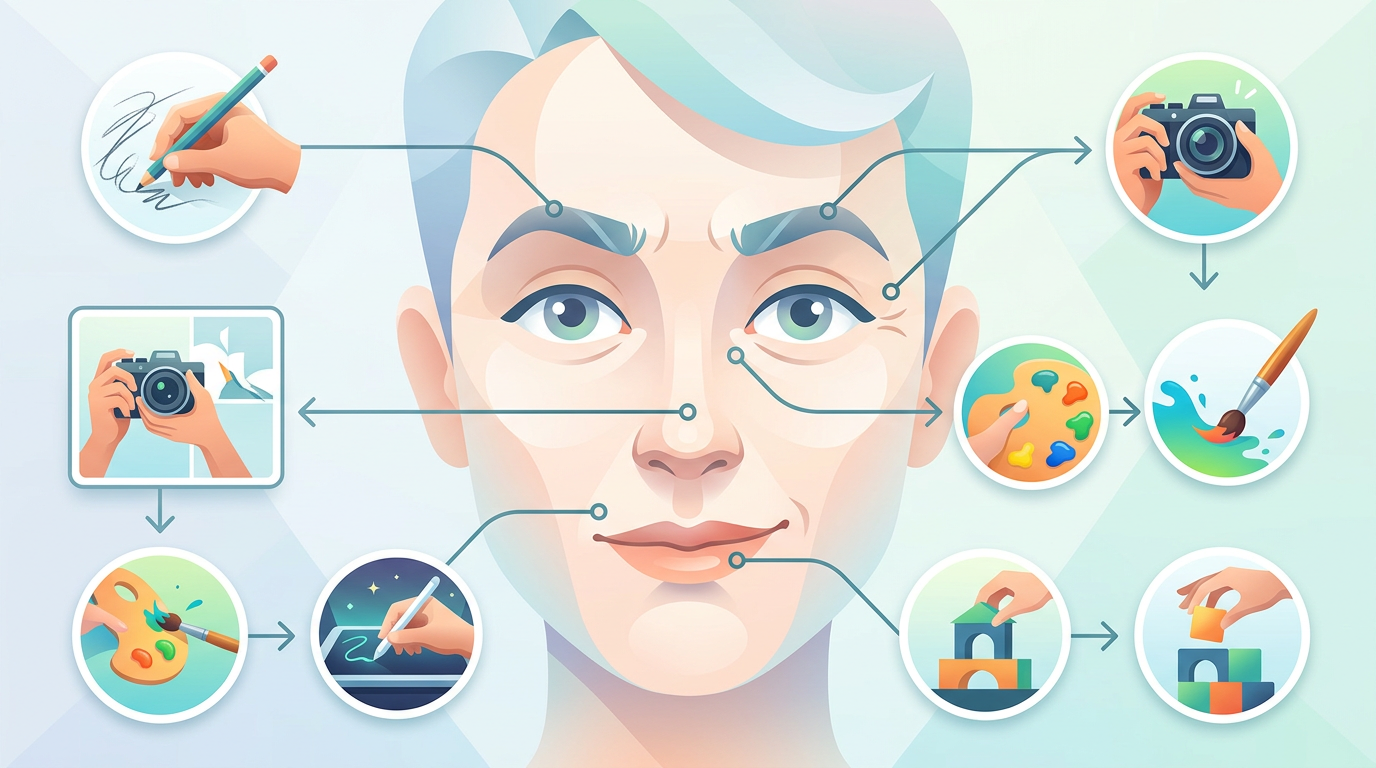
The "pause" is perhaps the most underutilized tool in digital acting. When you are editing, look for the breaths. If you are using an AI voice generator, don't just generate a block of text; break it up. Insert silence, vary the speed, and treat the AI output as a raw performance that you, as the director, must shape. By treating your AI-generated assets with the same respect as a human actor’s take, you elevate the quality of your final production from a novelty to a narrative.
Technical Pacing: The Director’s Cut Approach
When you are building a narrative, the difference between a flat read and a compelling performance often comes down to the rhythm of the delivery. Using Fanfun, creators can iterate on these rhythms instantly. Instead of spending hours in a recording booth, you can generate multiple takes of a specific line, adjusting the emphasis on key words to see which version carries the most "Boden-esque" intensity. This allows for a director’s cut approach to digital content, where you aren't just settling for the first take, but actively refining the emotional texture of the piece until it hits the right note of gravitas or mystery.
From Screen Presence to Creative Inspiration
Translating dramatic theory into digital content requires a shift in how you view your toolkit. You aren't just making a "post"; you are building a character. Whether you are aiming for a gritty, cinematic vibe or a high-energy skit, the tone is dictated by the voice and the persona behind the words. Using a distinct voice, such as the instantly recognizable, high-energy tone of Spongebob Squarepants, changes the entire context of a script. It forces you to play with irony and contrast, which is essential for modern engagement.
AI serves as a powerful sandbox for this experimentation. Instead of committing to a final edit and hoping it lands, you can use AI to test different delivery styles. Does a line sound better with a whisper or a shout? Is the emotional weight of a character better served by a monotone delivery or something more erratic? By iterating on your dialogue through Fanfun, you refine your "director’s eye" before you ever hit record. This platform allows you to experiment with various personas, ensuring that the character's voice aligns perfectly with the micro-expressions you've envisioned.
Experimenting with Archetypes
The beauty of modern content creation is the ability to mix and match archetypes to see what sparks. You might be writing a dramatic, Boden-esque lead, but the story only truly comes alive when that character is challenged by a force of nature. This is where contrasting archetypes becomes a powerful narrative device. By placing a stoic, internal lead against a high-energy or larger-than-life persona, you create a dynamic tension that keeps viewers watching.
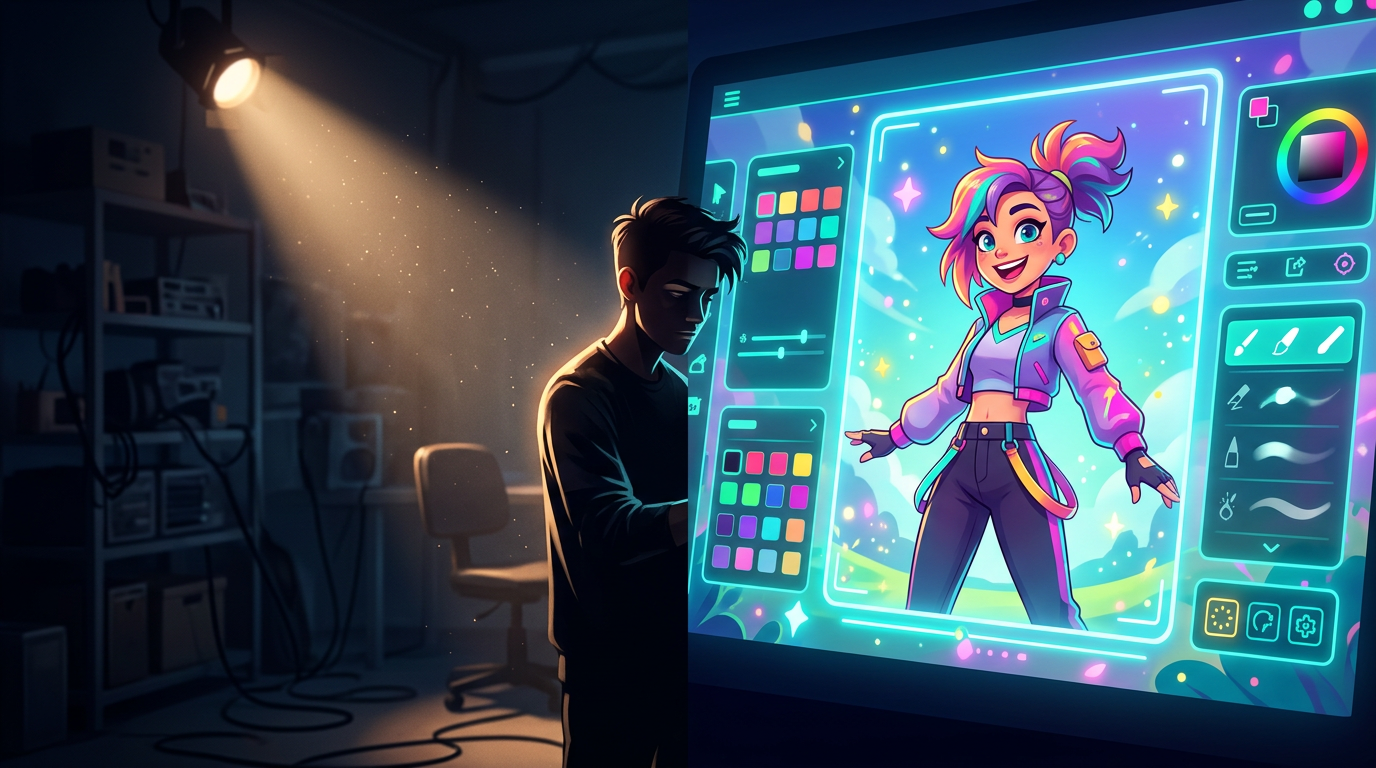
Consider this decision framework for your next project:
- The Stoic Lead: Use for narrative gravity, internal monologues, and building suspense.
- The Chaotic Catalyst: Use to disrupt the status quo, inject humor, or force the lead into an emotional reaction.
- The Mentor Archetype: Use for exposition, guidance, or shifting the perspective of the narrative.
When you need to ground your narrative in a sense of legacy or gravitas, you might lean on the presence of an icon like Kobe Bean Bryant, whose voice and persona carry inherent weight and discipline. By integrating different AI personas, you aren't just creating a one-way video; you are building a two-way, interactive experience that feels like a conversation rather than a lecture.
The Evolution of Digital Fandom
The traditional "fan" experience—buying an autograph or watching a passive clip—is becoming a relic of the past. Modern audiences, shaped by interactive gaming and social media, demand a seat at the table. They don't just want to watch a story; they want to see how that story reacts to them. This is the core shift we facilitate at Fanfun, where the barrier between the creator and the audience dissolves into a shared, interactive space.
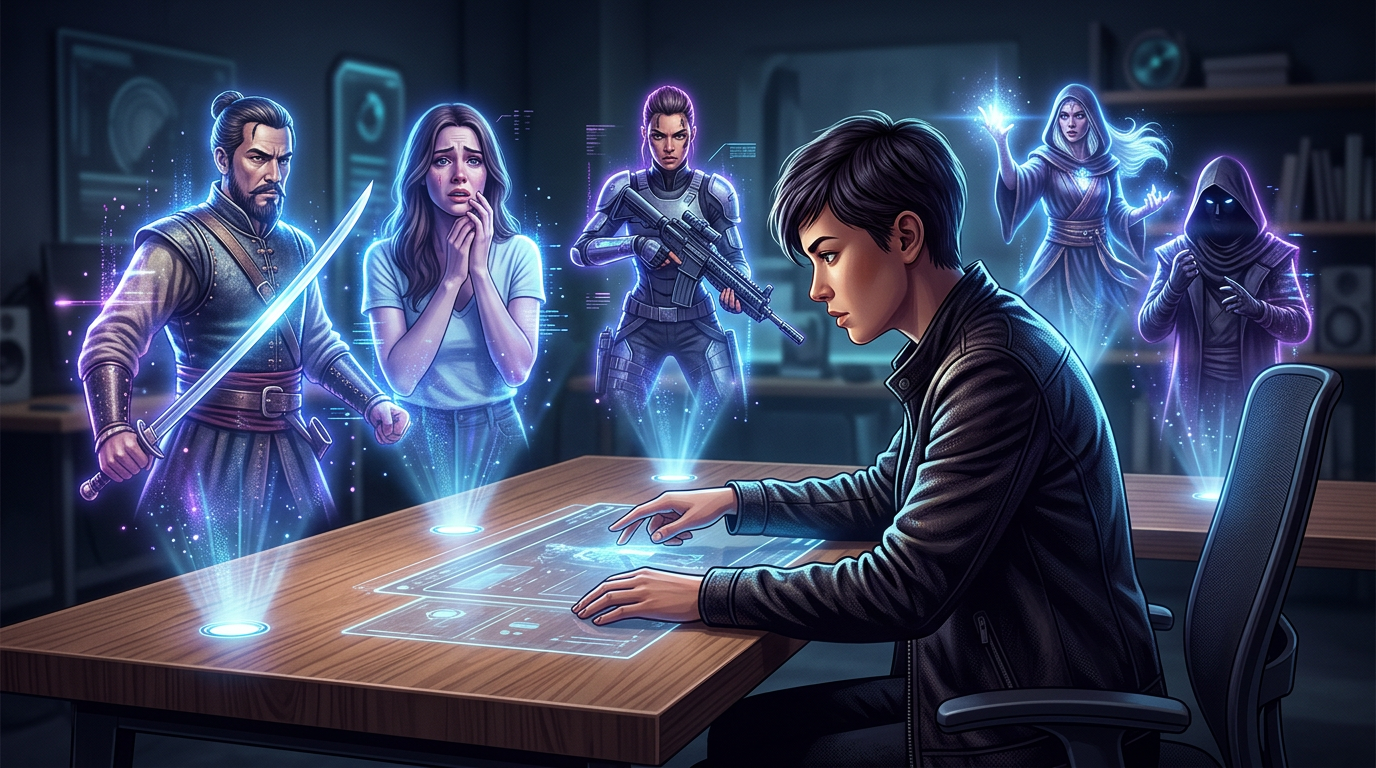
By leveraging AI as a creative partner, you are no longer limited by your own vocal range or the availability of professional actors. You can build complex, multi-character narratives in minutes, testing out different voices and tones until the story feels right. This is the new frontier of content creation: moving from the static, finished product to the dynamic, living, and breathing narrative that evolves with every interaction. Whether you are a solo creator or a brand, the ability to iterate quickly means you can produce higher-quality, more nuanced content on a consistent schedule. For those looking to explore the range of what is possible, integrating voices like Sydney Sweeney or the iconic presence of Mickey Mouse can help you define the specific emotional archetype your project requires, ensuring that your final output feels both professional and deeply personal.
How does Alana Boden approach character research?
Boden often focuses on the physicality of a character, emphasizing how internal emotional states manifest in external, subtle movements like posture and eye contact.
Can I use AI to practice acting or script delivery?
Yes. You can use AI to generate different versions of your script, allowing you to hear how various tones and pacing changes affect the emotional resonance of your dialogue.
What are the best ways to incorporate character-driven AI into my videos?
Use AI to provide contrasting voices that challenge your protagonist, or to handle secondary characters, allowing you to focus on the nuance of your lead performance.
Is it better to use AI for voiceovers or for interactive character chats?
It depends on your goal. Use voiceovers for scripted, cinematic storytelling, and interactive chats when you want to create a deeper, personalized connection with your audience.