The Anatomy of an Iconic Cartoon Voice: What Lilly Bartlam Teaches Us About Character Performance
Voice acting in children's media has evolved from passive entertainment to an interactive experience. Explore the mechanics of high-energy character voices and how AI is democratizing access to personalized fandom.
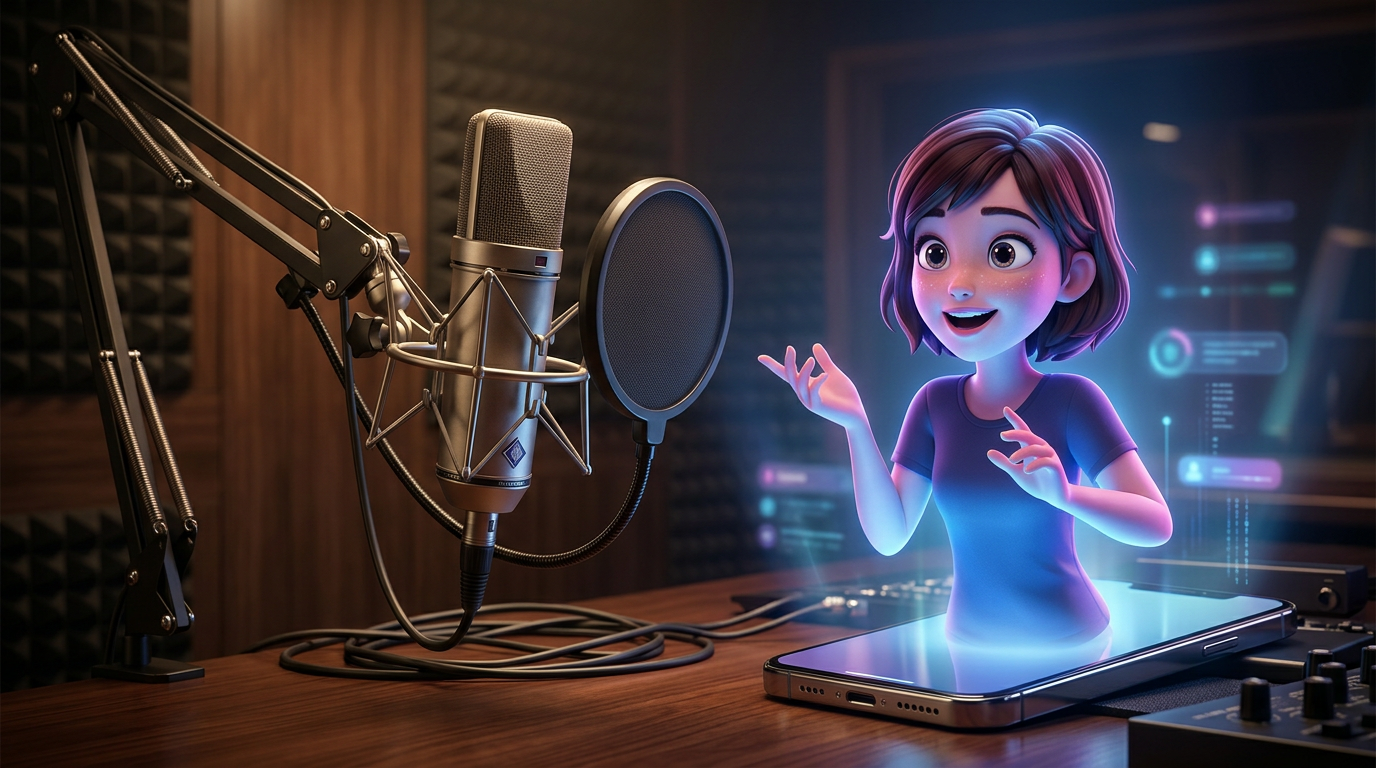
When a character's voice becomes permanently lodged in the cultural consciousness of an entire generation, it is rarely an accident. It requires a highly specific blend of vocal agility, boundless energy, and surgical articulation. For millions of parents and children, that perfect storm of vocal mechanics is instantly recognizable in Lilly Bartlam's performance as Skye on the global phenomenon PAW Patrol. Her work serves as a masterclass in how to capture and hold the notoriously fleeting attention of young audiences without crossing the line into auditory exhaustion.
But the landscape of character performance is shifting dramatically. We are no longer living in an era where audiences are content to simply sit back and listen to their favorite characters on a television screen. Fans now expect to interact, converse, and collaborate with the fictional worlds they love. By deconstructing the specific vocal techniques that make performances like Bartlam's so effective, we can understand exactly why high-energy character voices dominate modern digital media—and how modern AI tools are finally giving creators and fans the power to generate that same animated magic on demand.
The Blueprint of a Heroic Character: Deconstructing Lilly Bartlam's Vocal Style
Creating a voice that anchors a multi-billion-dollar franchise requires more than just sounding cute. It demands a rigorous technical approach to audio performance. When we analyze Lilly Bartlam's delivery, three distinct vocal mechanics stand out as the pillars of a successful animated persona.
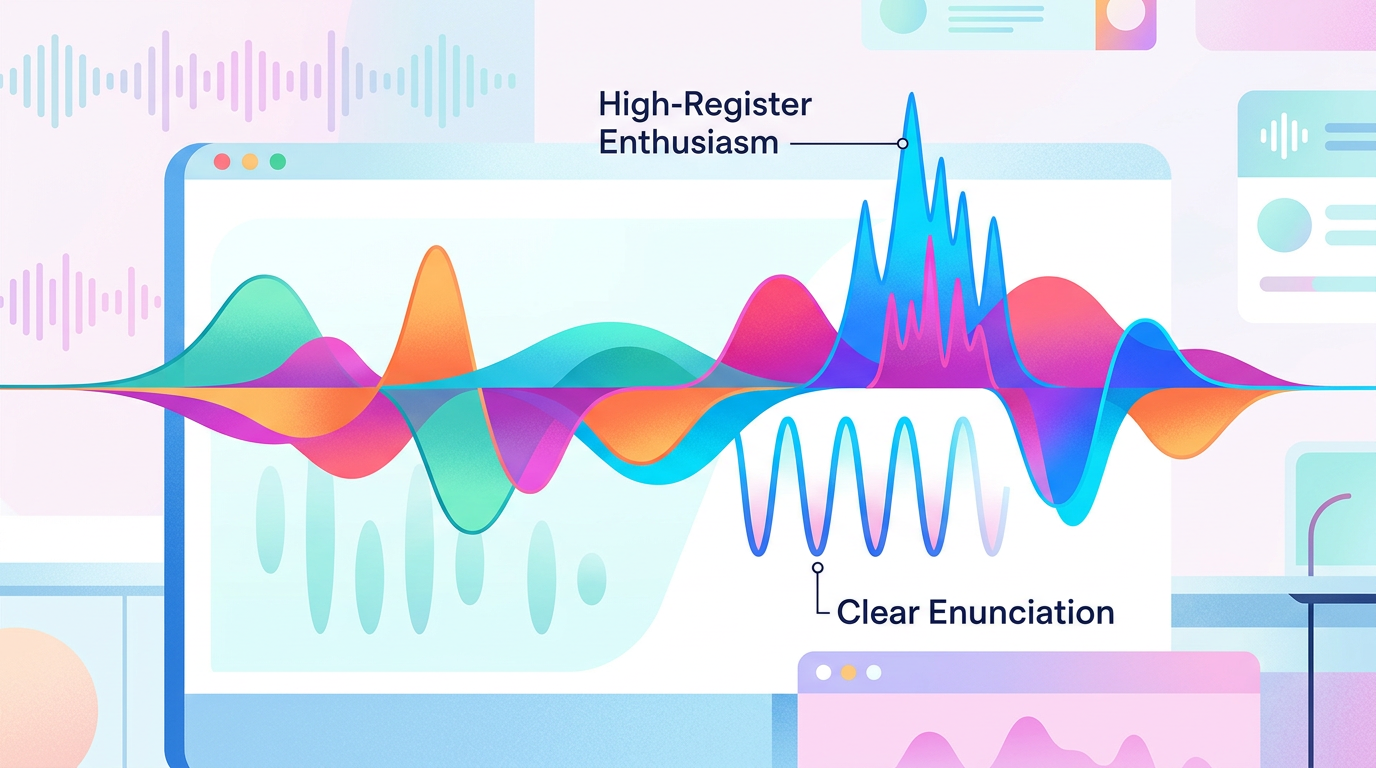
First is the power of high-register enthusiasm. In animation, a character's baseline energy must be significantly higher than a live-action performance to translate effectively through the screen. Bartlam maintains a consistently bright, elevated pitch that signals optimism and readiness. However, the true technical achievement is holding that high register without causing auditory fatigue. Amateur voice actors often mistake volume for energy, resulting in a grating performance. Bartlam achieves this brightness through forward resonance—placing the voice in the mask of the face rather than the throat—which keeps the tone light, airy, and engaging for hours of binge-watching.
Second is the deliberate choice of hyper-articulation over strict naturalism. In the real world, people mumble, trail off, and swallow their consonants. In children's media, every syllable must serve the story. Bartlam's enunciation is razor-sharp, ensuring that the character's intent and the plot's stakes are never lost in the mix. This hyper-articulation acts as an auditory anchor, keeping young viewers actively tracking the narrative even when the visual action becomes chaotic.
Finally, there is emotional agility. A one-dimensional voice quickly becomes boring. The brilliance of Skye's character lies in the rapid pivot from playful, puppy-like energy to heroic, mission-ready determination within a single line reading. This requires the actor to drop the pitch slightly and introduce a firmer cadence when the stakes are raised, proving that even hyper-energetic cartoon voices need dynamic range to feel authentic.
The Shift to Interactive Fandom: When Watching Isn't Enough
For decades, the relationship between animated characters and their fans was strictly one-way. You watched the screen, and the screen broadcasted back. Today, that barrier has entirely collapsed. Fans, particularly younger digital natives, do not just want to observe their favorite characters—they want to be acknowledged by them. They want their heroes to say their names, wish them a happy birthday, and react to their specific lives.
This shift has exposed a massive gap in the traditional celebrity shout-out market. Platforms like Cameo were built for live-action celebrities, reality stars, and athletes. But what happens when a child's favorite celebrity is a CGI pup, an anime protagonist, or a classic cartoon icon? You cannot book a fictional character on a traditional video-gifting platform. While a fan might appreciate a video from the talented voice actor behind the mic, it shatters the illusion. A five-year-old doesn't want a birthday message from a voice actor in a recording booth; they want a message directly from the hero who saves the day on their television screen.
This is precisely where interactive platforms like Fanfun are rewriting the rules of fandom. By leveraging advanced AI, Fanfun bridges the gap between passive viewing and personalized interaction. Whether a fan wants a custom birthday wish from a modern animated hero or a nostalgic shoutout from Mickey Mouse, AI allows these fictional personas to speak directly to the audience. It preserves the magic of the character while offering instant, personalized video messages and two-way chats that traditional media simply cannot scale.
Framework: How to Build an Engaging Animated Persona
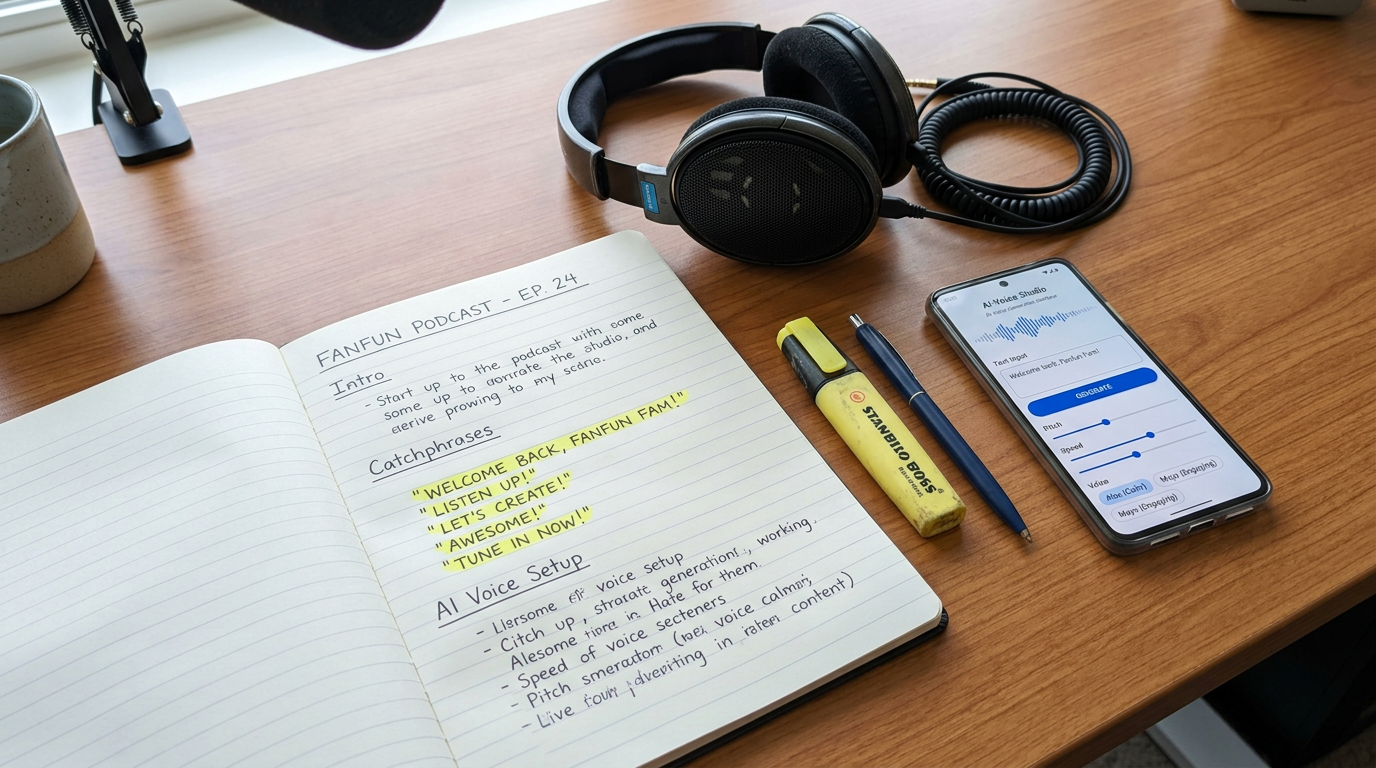
Whether you are a content creator looking to develop an original animated avatar for TikTok, or a director guiding an AI voice generator to produce a specific performance, understanding the mechanics of a cartoon voice is essential. Here is a practical framework for building an engaging animated persona.
Pitch and Modulation
Every character needs a "home base"—a resting frequency that defines their core personality. A high, breathy pitch suggests innocence and high energy, while a low, resonant pitch implies authority or villainy. Once you find the resting pitch, you must map out the character's modulation. How do they sound when they are confused? How does their pitch spike when they are excited? A flat delivery, even at a high pitch, sounds robotic. The voice must bounce.
Pacing and Breath Control
In short-form content, pacing is your most valuable tool for retention. Animated voices thrive on strategic pauses. Rushing through a script flattens the comedy and the drama. By inserting micro-pauses before punchlines or catchphrases, you build anticipation. Furthermore, exaggerated digital "breaths"—gasps of shock, heavy sighs of frustration—add a layer of physical realism to an otherwise entirely synthetic or animated character.
The Signature Catchphrase
A catchphrase is only as good as its delivery. The challenge is delivering repetitive lines with fresh energy every single time. The secret is rhythm. Treat the catchphrase like a musical motif. It should have a specific cadence and melody that makes it instantly recognizable, even if the listener doesn't speak the language.
The Character Voice Checklist
Before finalizing your character's audio for a video or a fan project, run it through this rapid decision framework to ensure it hits the mark:
| Vocal Element | Check to Pass | Adjustment if Failing |
|---|---|---|
| Clarity | Can every word be understood without subtitles? | Increase consonant articulation; slow down the pacing slightly. |
| Energy Baseline | Does the voice sound 20% more enthusiastic than normal speech? | Push the resonance forward into the nasal/mask area; smile while recording or generating. |
| Dynamic Range | Does the pitch change between the start and end of the sentence? | Introduce a pitch spike on the most important word of the sentence. |
| Character Consistency | Does the voice match the visual design (size, age, species)? | Adjust the pitch down for larger characters, and up for smaller, faster characters. |
Scaling Animated Energy: Why Creators Are Turning to AI Voice Generators
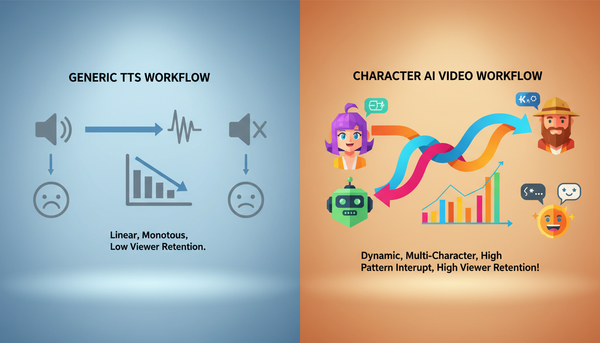
For independent creators, YouTubers, and TikTokers, the demand for high-quality character voices has never been higher. Meme culture, fan dubs, and animated explainer videos rely heavily on energetic vocal performances. However, traditional voice acting presents massive bottlenecks. Studio time is expensive, casting takes weeks, and maintaining a high-energy, raspy, or hyper-pitched character voice for hours can cause severe vocal damage for untrained performers.
This is why the creator economy is rapidly adopting AI voice technology. Platforms like Fanfun's AI voice generator allow creators to instantly produce voiceovers that capture the hyper-energetic, cartoonish style needed for viral content, without the physical strain or financial overhead. You can generate a script in minutes, perfectly tuned to the manic energy of a morning cartoon, and drop it directly into your editing timeline.
One of the most popular trends driving this adoption is the comedic power of contrast. Creators are realizing that they don't just have to use animated voices for animated characters. Mixing a universally recognized, hyper-energetic voice like Spongebob Squarepants with intense, larger-than-life, muscular personas like Dwayne Johnson creates an immediate, scroll-stopping dissonance. This kind of creative remixing—taking the vocal anatomy of a cartoon and mapping it onto unexpected visuals—is only possible at scale because AI has decoupled the voice from the physical actor.
Beyond the Screen: The Future of Personalized Character Gifting
The implications of this technology extend far beyond content creation; it is fundamentally changing how we celebrate special occasions. The emotional impact of a child hearing their absolute favorite animated character say their actual name, reference their specific hobbies, and wish them a happy birthday is profound. It turns a standard birthday gift into a core memory.
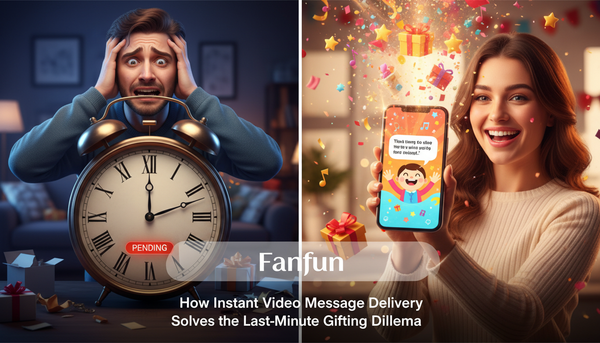
Fanfun's instant delivery model has completely removed the friction from this process. In the past, commissioning a personalized video meant waiting weeks, hoping the talent was available, and paying a premium. Now, parents and fans can generate safe, fun, and highly personalized video messages in a matter of minutes.
By expanding the roster to include everything from nostalgic cartoon legends to modern animated heroes, AI is unlocking unlimited access to creative character interactions. We are moving from an era where we simply memorized our favorite characters' catchphrases, to an era where our favorite characters use those catchphrases to speak directly to us. And as the technology continues to evolve, the magic of that interaction is only going to get more immersive.
Who voices Skye on PAW Patrol?
Lilly Bartlam is widely recognized for providing the iconic voice of Skye on the hit animated series PAW Patrol, bringing high energy and clear articulation to the beloved character.
How do child voice actors maintain their character's voice as they grow?
As child voice actors grow and their natural voices deepen, they often use vocal techniques like pitch modulation and forward resonance to maintain the higher register of their characters. Eventually, roles may be recast with younger actors or adults who specialize in high-pitched character voices.
Can I get a personalized video message from a cartoon character?
Yes! While traditional platforms like Cameo only offer videos from real-life actors, AI platforms like Fanfun allow you to generate instant, personalized video messages and birthday wishes directly from the AI personas of popular animated characters.
What makes a good animated character voice for YouTube or TikTok?
A successful animated voice for social media requires a high baseline of energy, hyper-clear enunciation so viewers can understand the audio without subtitles, and strategic pacing with micro-pauses to retain the viewer's attention during short-form content.