The Art of the Iconic Catchphrase: Why Maggie Wheeler’s Janice Still Defines Sitcom Delivery
Maggie Wheeler’s portrayal of Janice remains a masterclass in vocal character work. Learn how to translate that iconic energy into your own digital content.

Few characters in television history have achieved the instant, visceral recognition of Janice Litman-Goralnik. Her presence in Friends was built on a foundation of extreme vocal choices that defied conventional acting wisdom, turning a recurring guest role into one of the most recognizable archetypes in pop culture history. She didn't just walk into a room; she announced her presence with a sonic footprint that remains unmatched decades later.
For modern creators, Janice serves as a definitive case study in the power of a signature sound. Whether you are building a personal brand, producing short-form entertainment, or looking to inject life into a stale feed, understanding why her delivery worked—and how to replicate that intentionality in your own work—is a vital skill for cutting through the noise of a crowded social feed. At Fanfun, we see creators constantly looking for that same level of "instant recognition," and it almost always starts with finding a voice that refuses to be ignored.
The Anatomy of a Signature Voice
To understand why Janice works, one must look at the specific mechanics: the aggressive nasal resonance, the distinct rhythmic staccato, and the way she elongated vowels to turn a simple greeting into a multi-act performance. This wasn't just a "funny voice"; it was a commitment to a persona that demanded the audience's full attention from the moment she appeared. Wheeler understood that by pushing the nasality and the pitch to the absolute limit, she created a caricature that felt entirely grounded in the character's unshakeable, relentless optimism.
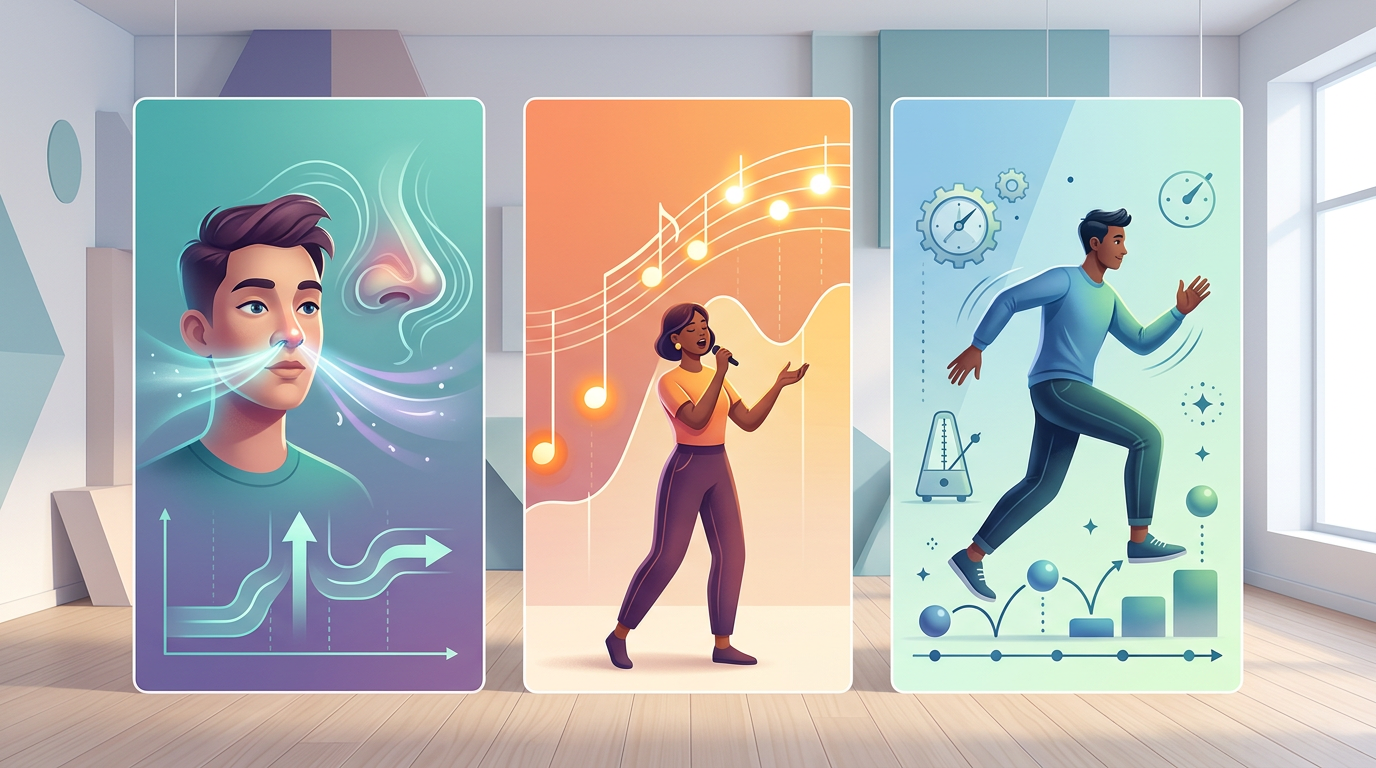
Her physical acting—the sharp head tilts, the sudden shifts in posture—perfectly mirrored the vocal performance. This alignment between sound and movement is what makes a character unforgettable. When creators attempt to replicate this energy, they often fail because they focus only on the sound, ignoring the rhythm and the underlying emotional anchor that makes the character tick. True character work requires an understanding of the character's intent: Janice wasn't just loud; she was a force of nature who refused to be ignored. This is the same principle we apply when users engage with the Dwayne Johnson AI—it’s not just about the words, it’s about capturing that unmistakable, high-stakes charisma that defines the persona.
Translating Character Energy into Digital Content
For modern content creators, the challenge is to achieve that same "lightning in a bottle" effect in a fifteen-second clip. You don't have twenty minutes of narrative buildup to establish a character; you need an immediate hook. Using vocal archetypes—the high-energy optimist, the deadpan cynic, or the boisterous icon—allows for instant audience recognition. Just as Janice’s voice acted as a signal for comedy, your digital personas need a distinct "vocal fingerprint" to stop the scroll.
Experimenting with these archetypes has become significantly more accessible. You no longer need a professional studio or months of voice training to prototype a character. By using tools like an AI voice generator, creators can test how different cadences, pitches, and speech patterns land in real-time. Whether you are aiming for the whimsical, high-pitched energy of Spongebob Squarepants or a more grounded, authoritative tone like that of Dwayne Johnson AI, the ability to iterate on your script's delivery is invaluable. The goal is to find the balance where the homage to a classic trope serves your original creative output rather than overshadowing it. When you can iterate quickly, you stop guessing and start refining.
The Role of Vocal Archetypes in Short-Form Video
In the world of TikTok and Reels, your voice is your primary branding asset. A signature sound creates a Pavlovian response in your audience. If your content consistently features a specific, high-energy vocal style, viewers begin to associate that sound with your brand before they even process the visuals. This is why Fanfun is increasingly used by creators who want to scale their content without losing that essential human—or character-driven—touch. By leveraging AI to prototype scripts, creators can experiment with the "Janice-like" intensity of a character without the logistical overhead of traditional production. You can test five different versions of a hook in the time it takes to brew a cup of coffee, allowing for a level of creative agility that was previously impossible.
Beyond the Sitcom: Why We Still Crave Iconic Personas
The nostalgia for 90s icons like Janice isn't just about the era; it’s about the craving for defined, bold personalities. Modern audiences have moved from passive viewing to active, participatory fandom. They don't just want to watch a clip; they want to engage with the persona. This shift has changed the landscape of content creation, where the "hook" is often a recognizable voice or a catchphrase that sparks a meme or a remix. Iconic voices remain the most effective way to grab attention because they bypass the brain's "skip" filter. When you hear a voice that triggers a memory or a laugh, you stop scrolling. This is the core of successful digital engagement. By bridging the gap between classic tropes and modern tools, creators can build a library of content that feels both nostalgic and fresh, leveraging the weight of cultural history to build their own unique presence.
Practical Framework: Building Your Own Character Voice
If you want to build a signature sound for your content, follow this three-step framework to move from imitation to innovation:
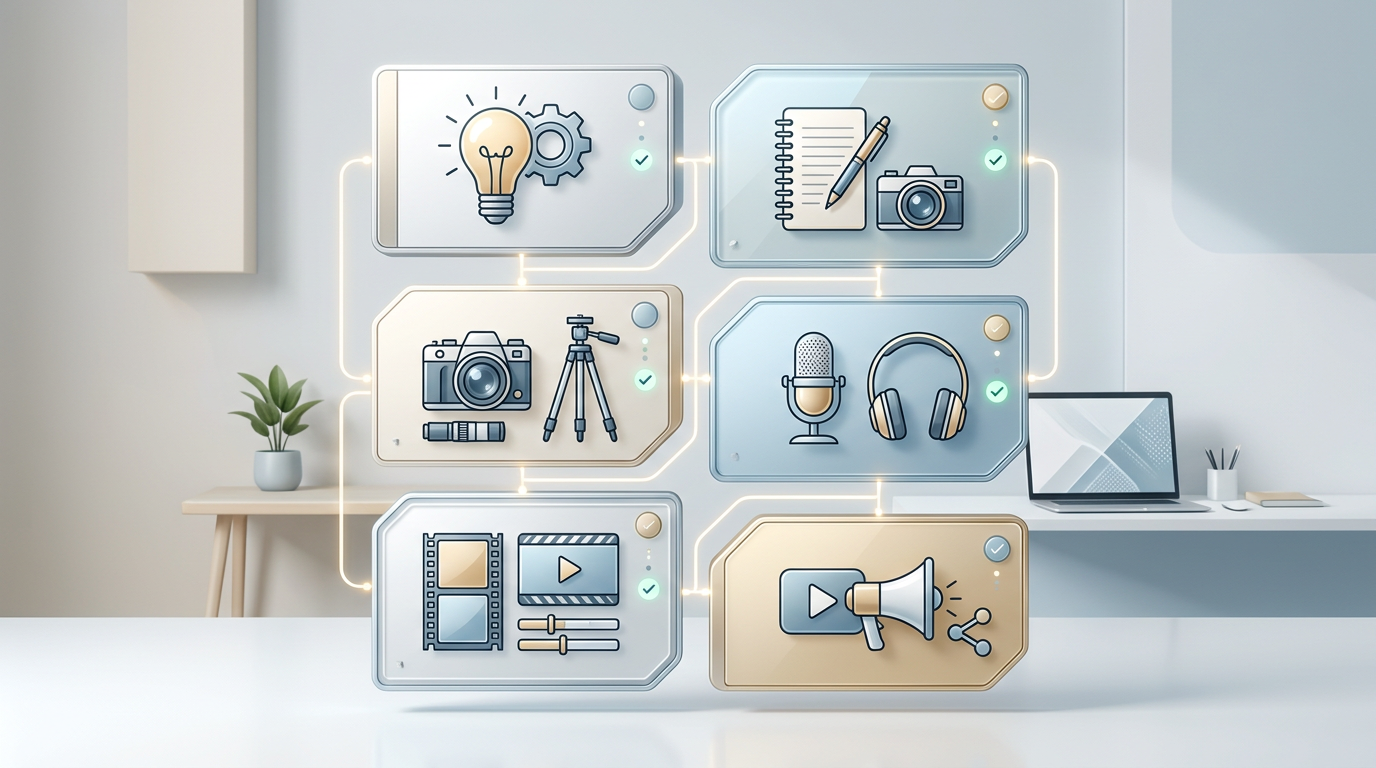
- Step 1: Identify the Anchor Emotion: What is the core feeling your character projects? Janice wasn't just loud; she was relentlessly, aggressively optimistic. Your character needs a singular, driving intent.
- Step 2: Establish a Rhythm: How does your character pause? Do they rush through sentences or stretch out specific words for emphasis? Map out your script's beats to match this rhythm.
- Step 3: Test and Refine: Use an AI voice generator to hear how your script sounds with different vocal profiles. This allows you to tweak the pacing and tone before you ever hit record, ensuring the final output matches your vision.
By treating your content like a production studio, you move away from generic, flat delivery. Whether you are channeling the intensity of Kobe Bean Bryant to deliver a message of discipline, or using the playful, recognizable tone of Mickey Mouse to engage a younger demographic, the key is consistency. Your voice—and the voices you choose to feature—should be extensions of your brand's core values.
The Future of Fandom: From Impressionist to Innovator
The evolution from traditional impressions to sophisticated AI-assisted character work is fundamentally changing how we define "celebrity" content. In the past, booking a celebrity for a promo was a logistical nightmare. Today, digital tools provide a level of scalability that was previously impossible. Whether you are looking for the massive, high-energy presence of Shaq, the intensity of a Kobe Bean Bryant tribute, or the subtle, recognizable cadence of a star like Sydney Sweeney, the tools at your disposal allow for rapid experimentation. Even iconic figures like Mickey Mouse can be referenced in creative ways that honor the original while pushing into new, modern formats.
Ultimately, the differentiator in a crowded feed isn't just the technology; it’s the depth you bring to the character. Fans are smart—they can spot a hollow imitation. The most successful creators are those who use these tools to build something that feels authentic, energetic, and uniquely theirs. By focusing on the mechanics of what makes a voice iconic, you move beyond mere mimicry and into the realm of true digital storytelling, ensuring your content remains as memorable as the sitcom legends of the past. It’s about taking the lessons of the masters—like Maggie Wheeler—and applying them to the infinite canvas of the digital age.
How can I use AI to capture iconic character voices?
You can use AI voice platforms to prototype and generate content that mirrors the vocal characteristics of iconic figures. By focusing on rhythm, pitch, and emotional intent, you can use these tools to create high-energy, recognizable content for your social media channels.
Why are signature voices important for content creators?
A signature voice acts as a branding asset. It provides an immediate hook that stops users from scrolling, creating a consistent identity that followers can recognize instantly, even in short-form, high-speed content environments.
What makes Maggie Wheeler's performance as Janice so memorable?
Wheeler’s performance succeeded because of her total commitment to the character’s vocal and physical idiosyncrasies. Her use of nasal resonance, rhythmic staccato, and exaggerated vowel elongation created a unique persona that became instantly iconic.
Are there better alternatives to booking celebrities for short-form content?
Yes, AI-assisted celebrity and character tools offer an instant, scalable, and cost-effective alternative to traditional celebrity bookings. They allow creators to generate custom messages, promos, and memes without the logistical hurdles of talent availability.