The Internet’s Most Infamous Personas: Why We Can’t Look Away from Digital Caricatures
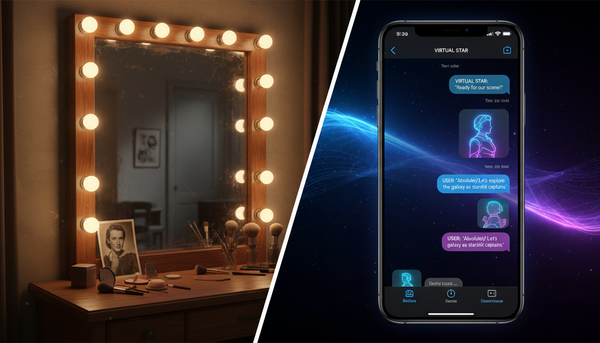
The era of passively gawking at viral figures is ending. Modern creators are reclaiming digital infamy by using AI to turn static clips into dynamic, interactive experiences.
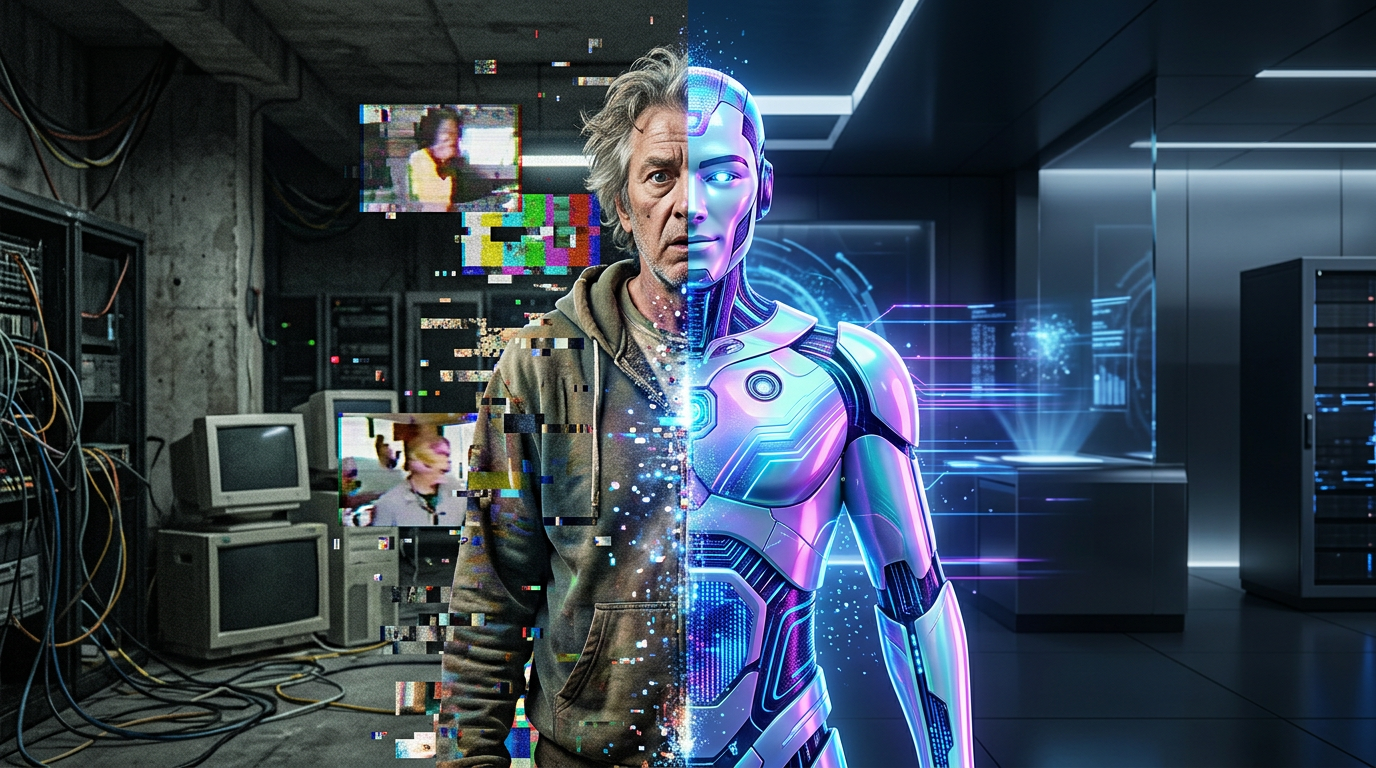
For decades, internet fame was a one-way street. A clip would go viral—often capturing a polarizing figure or an awkward moment—and the public would watch, comment, and move on. This cycle of passive observation turned certain individuals into digital shorthand, representing specific moods, failures, or cultural touchstones. We didn't interact with these figures; we consumed their infamy from a distance, treating them as static artifacts of the web.
The shift we are seeing today is profound. Audiences are no longer satisfied with watching static loops or waiting for the next viral reaction. They want to participate in the narrative. This evolution marks the move from passive spectatorship to active content creation. By separating the person from the caricature, creators are now able to strip away the original context of a viral moment and repurpose the persona for their own storytelling needs, effectively becoming the directors of their own digital subculture.
The Evolution of Internet Infamy
Digital infamy has always been a commodity, but the mechanism of exchange has changed. Previously, you were limited to the source material provided by the algorithm. If a celebrity or a cartoon character did something meme-worthy, you were forced to remix that exact piece of footage. Today, the barrier between the creator and the source material has dissolved. Through advanced AI, we are no longer tethered to the original context of a viral clip.
This is where Fanfun changes the game. By moving beyond static video hosting, we enable creators to generate fresh, context-specific interactions that feel authentic to the persona. Instead of hunting for a specific five-second clip to convey a reaction, you can now generate a bespoke interaction that fits your narrative perfectly. This is the difference between being a curator of internet history and an architect of digital culture.
From Viral Clips to Creative Tools
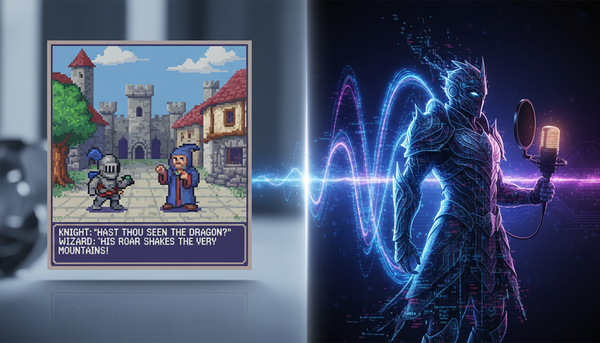
The rise of the AI voice generator has fundamentally democratized this process. Where once you needed a massive production budget to create a parody or a satirical skit, you now only need a clear concept. Tools like Fanfun allow users to bypass the limitations of legacy platforms, moving away from static video hosting toward generative, interactive experiences. This is not just about mimicking a voice; it is about accessing a character's essence to build something entirely new.
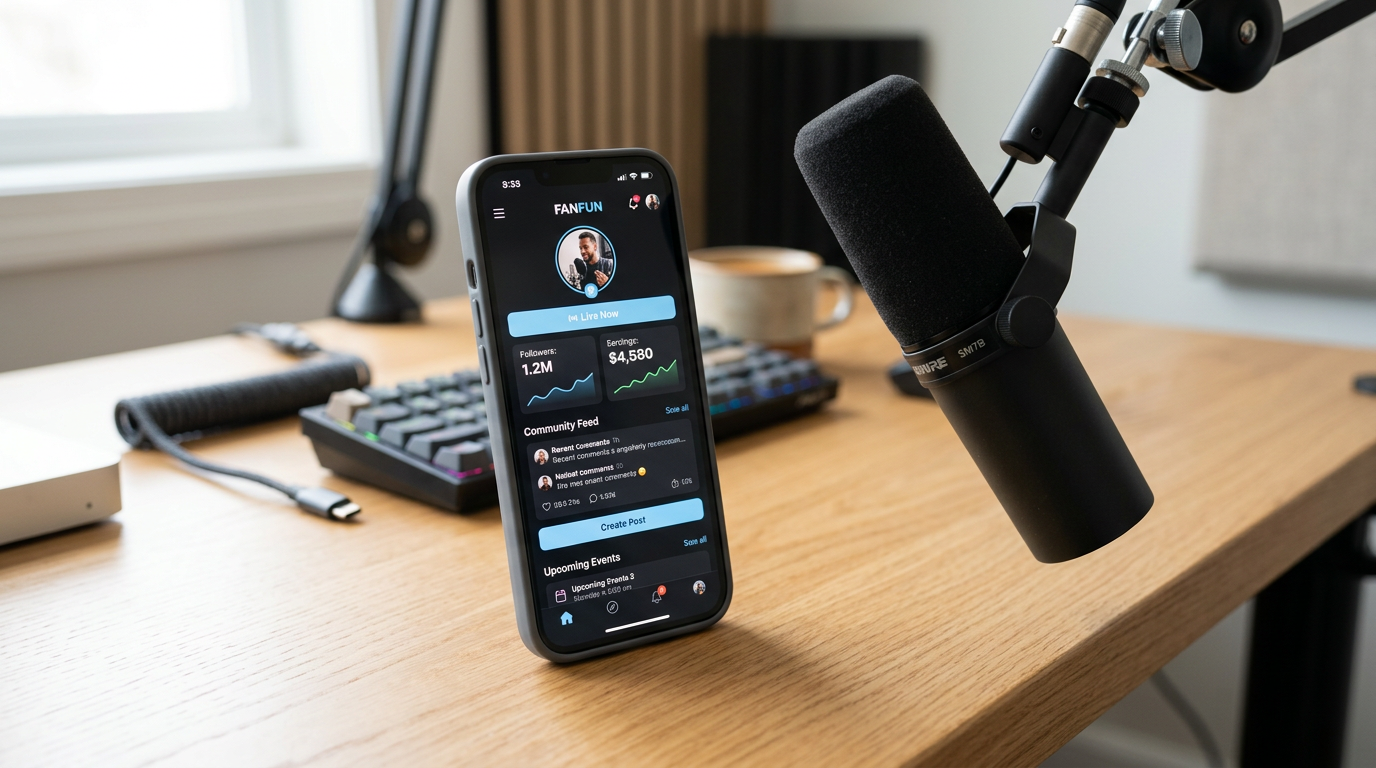
Consider the difference between a fleeting, low-resolution viral clip and a high-fidelity, AI-driven interaction. While niche internet personalities often serve as the raw material for memes, universally recognizable icons like Spongebob Squarepants show how established characters can be adapted into entirely new contexts, from educational tutorials to high-concept comedy. This is the power of the modern creative toolkit: it turns the passive act of sharing a link into the active labor of building a brand. When you use Fanfun, you aren't just consuming content; you are iterating on it.
The Psychology of the Digital Caricature
Why do we remain so attached to these personas? It comes down to cognitive shorthand. When a creator uses a recognizable figure—whether it is the intensity of Dwayne Johnson AI or the iconic presence of Mickey Mouse—they are immediately tapping into a pre-existing emotional connection with the audience. This allows the creator to bypass the "getting to know you" phase of audience building and jump straight into the message.
However, the danger of using these personas is becoming a caricature of yourself. The most successful creators use these tools to subvert expectations. If you use a legend like Shaq, don't just repeat his famous catchphrases. Use the AI to place him in absurd, unexpected scenarios that force the audience to see the persona in a new light. This subversion is what keeps the content fresh and prevents it from feeling like a stale, repetitive meme. By layering unexpected dialogue over a familiar persona, you create a "glitch in the matrix" effect that is highly shareable.
Building Your Own Digital Persona
Creating compelling content requires more than just access to a voice model; it requires a strategic framework. When you are building a persona-driven project, the "voice" is your primary asset. It provides the rhythm, the attitude, and the familiarity that anchors your audience. To do this effectively, follow this simple creative checklist:
- Concept: Identify the core emotion or message you want to convey. Is it a roast? A birthday wish? A satirical take on a trend?
- Script: Keep it concise. High-energy personas work best with sharp, punchy dialogue that plays to their known strengths.
- Persona Selection: Choose a figure that fits the tone. Using a high-energy icon provides an immediate, recognizable baseline for audience engagement that is difficult to replicate with obscure figures.
- Execution: Use your chosen AI tool to generate the audio or video, then layer it into your edit to ground the persona in your own unique creative environment.
The impact of using a recognizable persona comes down to the "vibe." A high-energy performance from a legend can elevate a simple social media post into something that feels like a high-budget cameo, without the logistical nightmare of traditional booking services. By using platforms like Fanfun, you gain the ability to scale your content production, creating dozens of variations in the time it would take to film a single traditional video. This efficiency allows for A/B testing your content—seeing which persona resonates best with your specific audience segment.
Why We Choose Parody Over Passive Watching
The psychological draw of AI-driven interaction is rooted in control. When you use Fanfun to generate content, you are no longer at the mercy of what is available on the internet. You are the architect. This shift is why many creators are abandoning legacy Cameo alternatives in favor of platforms that offer interactive, character-based dialogue rather than just one-way video clips. The ability to engage in two-way conversations with personas—like a simulated chat with Kobe Bean Bryant—offers a level of intimacy that static clips simply cannot match.

This is the democratization of high-quality character interaction. Whether you are building a story around a sports legend or creating a meme featuring a cartoon icon, the ability to generate content that feels personal and responsive is what keeps audiences engaged. We are moving toward a future where "content creation" means building a dialogue with the culture, not just reflecting it. Even pop culture figures like Sydney Sweeney can be reimagined through creative AI applications to engage fans in ways that feel authentic to the creator's specific brand voice. The key is to treat the AI as a collaborator rather than a replacement for human creativity.
The Future of Digital Iconography
As we look forward, the "AI-first" creator will be defined by their ability to balance fandom with ethical, creative usage. The goal isn't just to clone a voice; it is to use that voice to explore new creative territory. By elevating content beyond simple, repetitive memes, creators can build long-term value for their audiences. The future belongs to those who view these tools not as shortcuts, but as essential instruments for digital storytelling. When you stop looking at these figures as static icons and start seeing them as dynamic creative partners, the possibilities for your content become limitless. The transition from passive observer to active creator is not just a technological shift; it is a cultural imperative for anyone looking to stay relevant in the fast-paced landscape of modern digital media.
How does AI capture the nuance of an internet personality?
AI models are trained to interpret the specific cadence, tone, and vocabulary associated with a persona, allowing for performances that mimic the "vibe" of the original figure rather than just a robotic reading of a script.
Is using AI voices for satire allowed?
Yes, using AI for parody and satire is a common creative application. However, creators should always ensure their content remains respectful and adheres to platform guidelines regarding intellectual property and creative ethics.
What are the best Cameo alternatives for content creators?
Fanfun is the premier alternative, offering instant, scalable, and interactive AI experiences that far exceed the capabilities of static, one-way video booking platforms.
How can I use Fanfun to make original memes?
You can use the AI voice generator to create custom audio tracks for your skits or memes, or utilize the interactive chat features to generate unique dialogue that you can then record and edit into your video content.