How to Make a Funny Video Message for a Friend
Want to make your friend laugh out loud? Discover the three proven comedy frameworks, scriptwriting tips, and easy production steps to create a highly personalized video greeting.
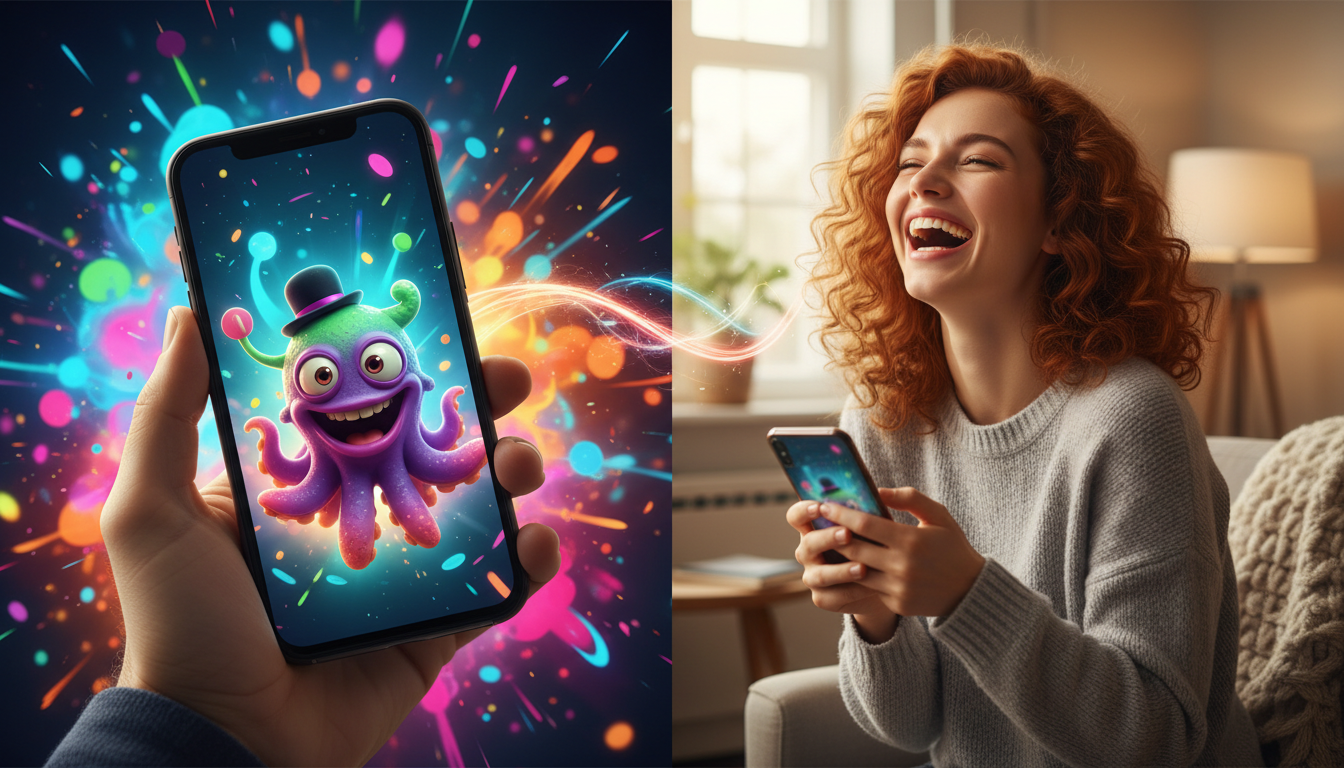
To make a genuinely funny video message for a friend, you must prioritize hyper-specific inside jokes, keep the runtime under 60 seconds, and lean heavily on contrast—either by delivering mundane news with extreme cinematic gravity or by having an unexpected character deliver your personal jokes. While recording a shaky smartphone greeting on your couch is the traditional route, using an AI-generated character voice or virtual star can instantly elevate a basic joke into a highly memorable piece of comedy. The key limitation is avoiding generic humor; if the script could apply to anyone else, the video won't land.
The Core Formula for a Funny Video Message
Humor in personal video greetings relies on three fundamental pillars: hyper-specificity, setup-and-delivery contrast, and brevity. When a video is generic, it feels like a chore to watch. When it is tailored to a precise, ridiculous moment in your friendship, it becomes an instant classic.
You essentially have two paths for delivery. First, you can record yourself. This requires finding decent lighting, hunting down high-contrast props, and delivering your lines with perfect comedic timing. Second, you can use modern tools like Fanfun to generate a custom AI video featuring an unexpected character or celebrity voice clone in minutes. Having a recognizable character or celebrity voice clone deliver your inside jokes creates an immediate, hilarious contrast that you cannot replicate on a standard smartphone camera. The sheer absurdity of a fictional persona addressing your friend by name about their terrible parallel parking skills does most of the comedic heavy lifting for you.
Three Comedy Frameworks That Actually Work
You do not need to be a professional comedy writer to make your friend laugh. Instead, you can rely on established comedic structures. Here are three reliable frameworks to build your script:
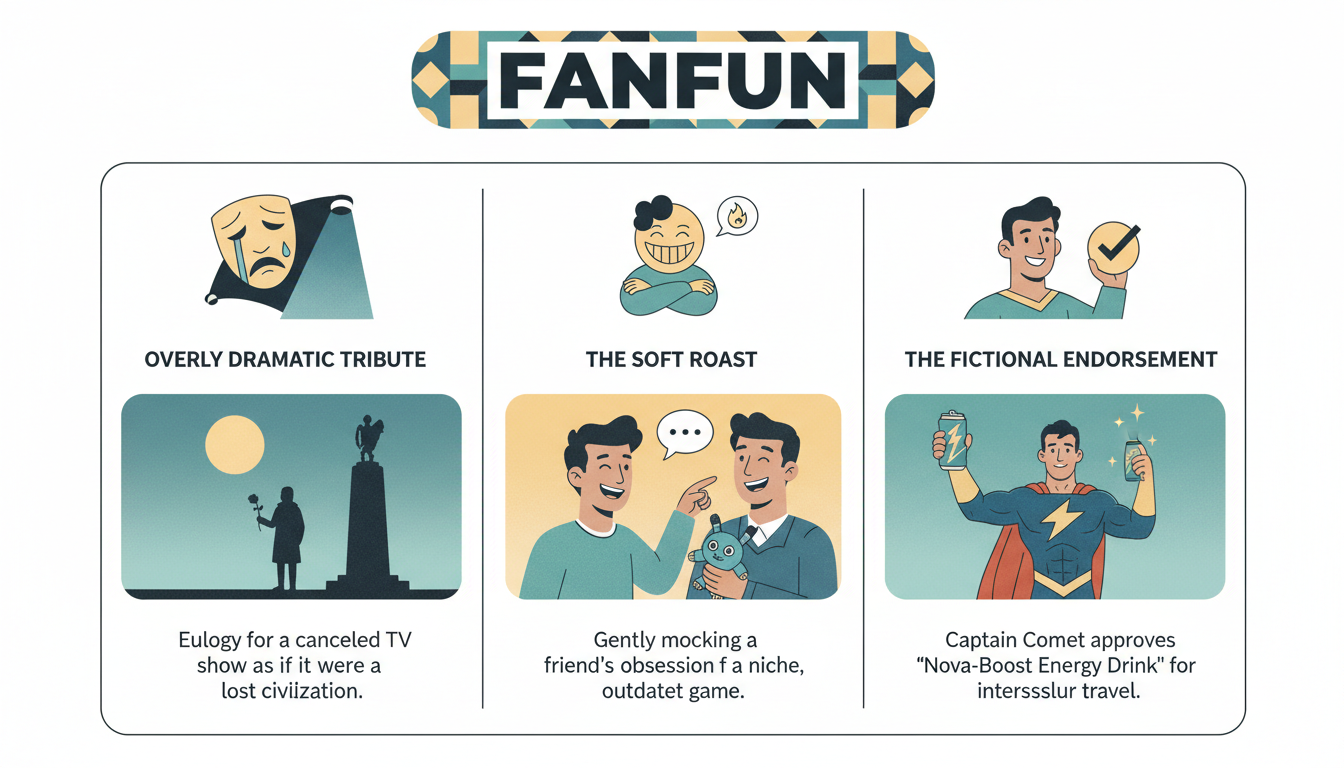
1. The "Overly Dramatic" Tribute
This framework treats a completely minor, mundane event with intense, cinematic gravity. Instead of a simple birthday wish, frame the day as a historic milestone of survival. For example, if your friend is turning 31, write a script that sounds like a trailer for a post-apocalyptic movie, commending them for surviving another year of paying a mortgage and resisting the urge to buy another houseplant.
2. The Soft Roast
A great roast highlights a friend's harmless, highly specific quirks rather than relying on generic insults. Focus on their bizarre coffee order, their refusal to read group chat messages, or their obsession with a highly niche hobby. If you are creating this for a professional setting rather than a close personal friend, you will need to adjust your boundaries to keep the humor office-appropriate.
3. The Fictional Endorsement
Write a script where a well-known character speaks directly to your friend as if they are old colleagues, former roommates, or secret co-conspirators. Imagine an AI version of a famous character thanking your friend for "discreetly handling that situation in Chicago back in 2018." The lack of context makes the joke infinitely funnier.
| Framework | Best Friend Dynamic | Example Scenario |
|---|---|---|
| Overly Dramatic Tribute | The Childhood Friend | Commemorating 15 years since they failed their first driving test. |
| The Soft Roast | The College Roommate | Gently mocking their legendary inability to wash a frying pan immediately after cooking. |
| The Fictional Endorsement | The Hobby Partner | A famous character thanking them for their "bravery" during a casual weekend hike. |
How to Script Your Video for Maximum Comedy Pacing
Writing for video is different than writing for text. To ensure your jokes actually land, keep your sentences short and punchy. Long, rambling sentences kill comedic momentum, whether you are delivering the lines yourself or inputting them into an AI generator.
When working with AI voice generators, keep in mind that digital voices may read text literally. If your friend's name or an inside joke has a unique spelling, writing it phonetically in your script can sometimes help guide the pronunciation.
Always balance the setup and the punchline. Keep the context brief so the joke lands before the viewer's attention drifts. A good rule of thumb is a 2:1 ratio: spend two sentences setting up the absurd premise, and deliver the punchline in one sharp sentence.
Step-by-Step Production and Delivery Workflow
Once you have your concept, executing the video message is straightforward if you follow a structured workflow.
Step 1: Draft the script. Write a 30-to-60-second script based on a single, strong inside joke. Do not try to pack five different jokes into one short video; stick to one clear theme for maximum impact.
Step 2: Choose your medium. Decide if you are going to record yourself or use a generator. If you are recording yourself, find a quiet room with good lighting and use a physical prop to add visual humor. If you are using Fanfun, navigate to the platform, select your favorite character from the library, type or paste your custom script into the generator, and let the AI create your custom video in minutes.
Step 3: Deliver the message. For the best reaction, think about how you deliver the final file. Rather than sending a quiet, low-key link, blast the video directly into your primary group chat, post it as a surprise on their social media feed, or send it during a moment when you know they are sitting at their desk at work for a sudden, laugh-out-loud interruption.
How long should a funny video message be?
Keep your video message between 30 and 60 seconds. Comedy relies on brevity, and keeping the video short ensures that the pacing remains tight and the punchline lands before the viewer loses interest.
What if I am not naturally funny on camera?
If you feel awkward on camera, you do not have to perform. You can write a funny script and use Fanfun to have an AI character or celebrity voice clone deliver the lines for you. The comedy comes from the absurdity of the character saying your specific words, removing all pressure from you.
Are there lines I should avoid crossing when roasting a close friend?
Yes. Avoid genuine insecurities, active personal struggles, or topics they have explicitly asked you not to bring up. A good soft roast focuses on harmless, funny habits or shared memories rather than deeply personal flaws.