The Art of the Character Actor: Why David Herman’s Range is the Blueprint for Modern AI Personas
David Herman’s ability to vanish into disparate archetypes is the perfect case study for modern creators. Discover how to move beyond one-note impressions and build dynamic, multi-dimensional AI personas.

In the high-velocity world of digital content, creators often fall into the trap of relying on a single, reliable persona. However, the most compelling performers—those who command attention across platforms—understand that versatility is the ultimate currency. Consider the career of David Herman. He is a master of the "everyman" archetype who simultaneously inhabits the manic, the bureaucratic, and the absurd. He doesn’t just mimic a voice; he adopts a distinct internal logic for every role. This ability to vanish into disparate characters is the blueprint for the next generation of digital storytelling.
For too long, the digital space has been dominated by surface-level impressions. We see creators leaning on singular catchphrases or recycled vocal tics that lose their appeal after a few views. Audiences are evolving, moving away from passive celebrity worship and toward a demand for depth, nuance, and genuine character development. To build a lasting brand today, you need to cultivate personas that function like seasoned character actors: they possess specific motivations, they can pivot between tones, and they can anchor a narrative without becoming predictable.
The Chameleon Factor: Why Specificity Wins
Specificity is the antidote to the "one-note" fatigue that plagues short-form video. When you look at iconic characters, they aren't just a collection of sounds; they are a set of behaviors. When using an AI voice generator, the goal should be to treat the technology as an extension of your creative direction rather than a replacement for performance. If you want to build a persona that resonates, you must move beyond the flat delivery of a standard script. Focus on the nuances that make a character feel human: the intentional hesitation, the specific cadence of a sentence, and the emotional inflection that follows a punchline.

Think of this as "The Herman-esque Triad." You can build a robust digital universe by cycling through three distinct registers:
- The Bureaucrat: Focus on clipped, precise delivery and neutral, low-energy affect. This character is about efficiency and subtle condescension.
- The Slacker: Prioritize dragged-out vowels and a sense of perpetual, low-stakes exhaustion. The humor here is found in the lack of urgency.
- The Over-the-Top Professional: Use rapid-fire pacing and exaggerated enthusiasm. This is your "hype" character, designed to cut through the noise of a feed.
By shifting between these registers, you keep your audience on their toes. You aren't just creating content; you are directing a cast of digital actors that all live within your creative ecosystem.
Applying Method Acting to Digital Scripts
To truly emulate the depth of a character actor, you must write for the persona, not just the content. If you are using a Dwayne Johnson Ai, don't just ask it to read a generic script. Write dialogue that leans into the specific, high-stakes charm associated with that persona. If you are using a character like Spongebob Squarepants, your script should reflect the manic, optimistic energy inherent to that archetype. The most successful Fanfun users are those who treat their AI tools as collaborators. They experiment with the prompt, adjusting the tone until the AI output mirrors the specific emotional beat they need for their scene. This is the difference between a clip that feels like a generic bot and one that feels like a directed performance.
The Evolution of Interactive Storytelling
Static video is increasingly struggling to capture and hold attention in an era of infinite scroll. The future of content creation lies in interactivity. With platforms like Fanfun, you are no longer limited to broadcasting a one-way message. You can now integrate two-way AI chat, allowing your audience to engage with your personas in real-time. This creates a feedback loop where the character’s personality is reinforced by the way it reacts to the viewer, making the experience feel personalized and alive.
Maintaining consistency is the biggest challenge in any digital series. When you use AI to anchor your characters, you ensure that the "voice" of your brand remains stable even when you are experimenting with new formats or unexpected plot twists. It is about building a cohesive universe where your digital personas feel as grounded as any live-action actor. Whether you are leaning into the gravitas of a global icon to command authority, or using the athletic intensity of Shaq to add a larger-than-life presence to your skits, the key is integration.
Scaling Your Creative Vision
When you stop viewing AI as a parlor trick and start viewing it as a production tool, your output changes. Many creators struggle with the logistical nightmare of hiring talent for every small project. Fanfun solves this by offering an instant, scalable alternative to traditional talent bookings. If your script calls for a high-energy, recognizable vibe, you can instantly pull from a library that includes everything from the chaotic charm of an animated favorite to the legendary, disciplined persona of Kobe Bean Bryant. This is where the "character actor" mindset becomes a superpower. Instead of spending weeks trying to find the right voice-over artist, you can audition your own ideas in minutes. You can experiment with tone, pitch, and energy levels, effectively becoming the casting director of your own digital network. This level of creative freedom allows you to iterate faster, test more concepts, and ultimately find what resonates with your audience.
Comparing the Tools: From Static Clips to Dynamic Personas
To decide which approach is right for your project, consider the trade-offs between static voice generation and dynamic interaction. A static clip is perfect for a quick meme or a punchline, while a dynamic persona is better for long-term audience retention and community building.
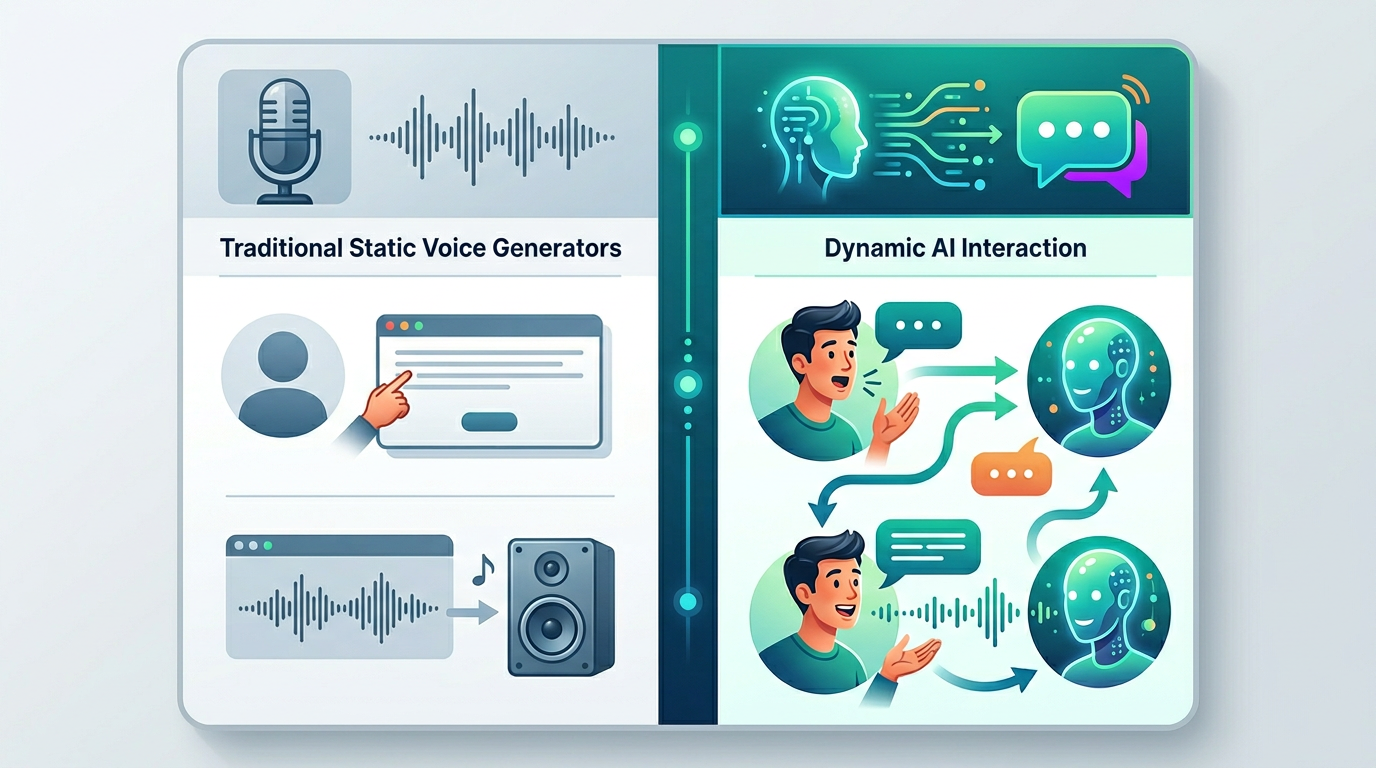
| Feature | Static Voice Cloning | Dynamic Persona Interaction |
|---|---|---|
| Engagement | Passive (Watch) | Active (Conversational) |
| Flexibility | Low (Pre-recorded) | High (Real-time) |
| Consistency | Medium | High (Context-aware) |
| Scale | Manual | Automated |
For creators looking to scale their content without losing personality, these tools are the essential evolution. They allow you to incorporate iconic archetypes into your own videos, ensuring your production value remains high while your effort stays focused on the creative direction rather than the technical minutiae. The goal is never to lose your own voice, but to use these archetypes as instruments in your orchestra. By balancing familiar, high-impact personas with your own vision, you create content that is not only watchable but memorable. Whether you are building a sketch comedy channel, a gaming series, or a brand marketing campaign, the ability to pivot between characters—just as David Herman does—will keep your audience guessing and coming back for more.
How can I make my AI characters sound less robotic?
Focus on the script's syntax. Add pauses, use colloquialisms, and ensure the AI's inflection matches the emotional intent of the scene. The more specific your instructions, the more natural the output will feel.
Is it better to use a famous voice or create an original character?
It depends on your goal. Famous voices provide immediate recognition and audience familiarity, which is great for skits and memes. Original characters allow for more creative freedom and long-term brand ownership.
How does Fanfun compare to other Cameo alternatives for content creators?
Unlike traditional Cameo alternatives that rely on static, one-time video deliveries, Fanfun offers instant, scalable, and interactive AI experiences. You aren't just buying a clip; you are accessing a library of personas that can chat, react, and evolve with your content.
Can I use AI voices for commercial content creation?
Yes, provided you are using licensed AI platforms that respect creative ethics and intellectual property. Always check the specific platform's terms of service to ensure your use case aligns with their licensing agreements.