The Architecture of Snark: How David Faustino's Iconic Roles Blueprint Modern Fan Content
David Faustino's career perfectly encapsulates the shift from passive 90s sitcom consumption to highly engaged, character-driven digital fandom. Learn how to apply his comedic and dramatic archetypes to your own personalized videos.
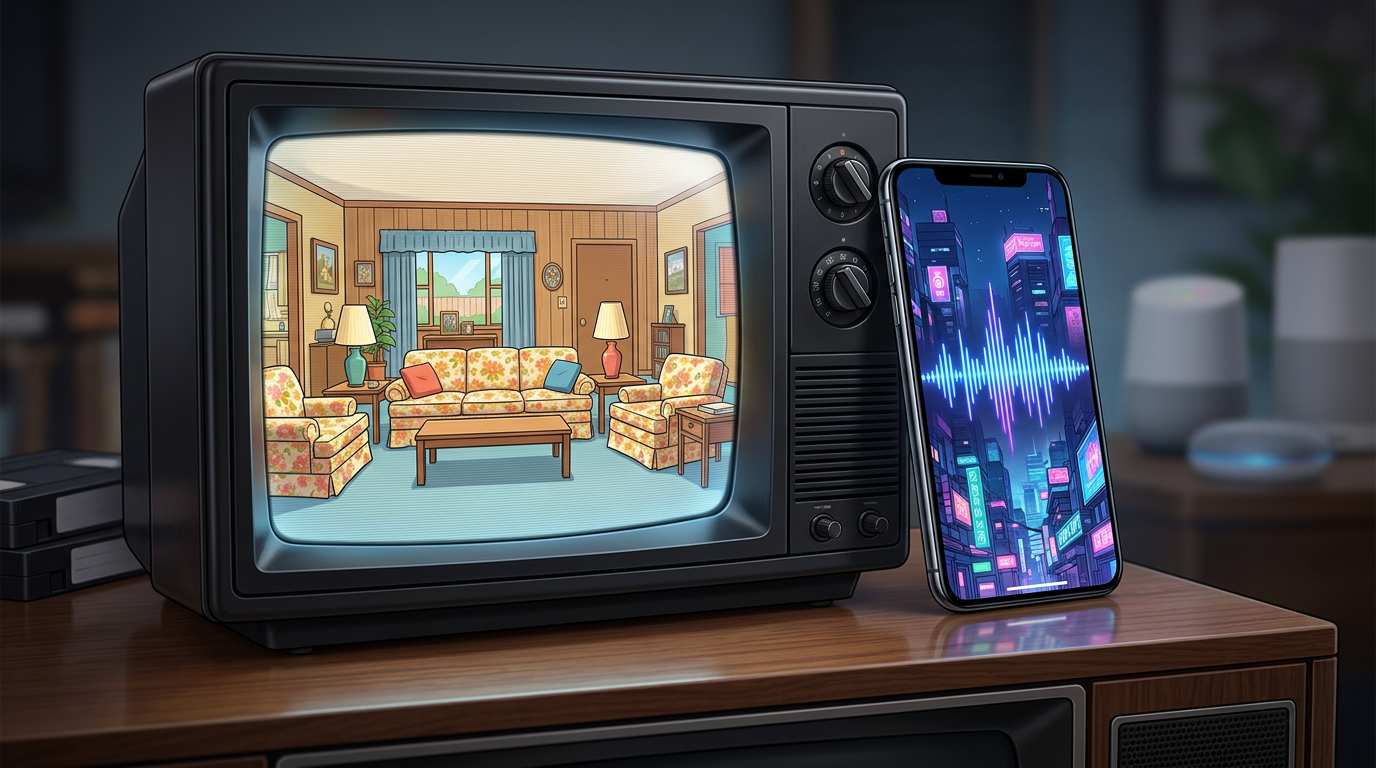
David Faustino’s career spans two entirely different eras of entertainment, yet both perfectly illustrate what audiences crave from character dynamics. As Bud Bundy on Married... with Children, he delivered the definitive blueprint for the snarky, punch-up insult comedy that defined 90s television. Decades later, as the voice of Mako in The Legend of Korra, he anchored a massive animated franchise with the grounded, brooding intensity required of a modern action hero.
These performances are not just nostalgic footnotes; they are the exact archetypes modern creators actively try to replicate. As digital fandom shifts from simply watching television to actively generating personalized content, understanding how to deconstruct Faustino’s comedic timing and dramatic vocal weight is essential. Whether you are scripting a birthday roast for a friend or generating a dramatic fan dub, mastering these timeless character dynamics will elevate your digital content from generic to unforgettable.
The Anatomy of the Perfect 90s Sitcom Roast
The "snarky younger brother" is a cornerstone of American television comedy, and Bud Bundy remains its most potent execution. The humor relied heavily on punch-up insult comedy—a style where characters deliver devastating, highly rehearsed burns with zero hesitation. This specific comedic rhythm is exactly what creators try to capture when writing modern personalized roasts.
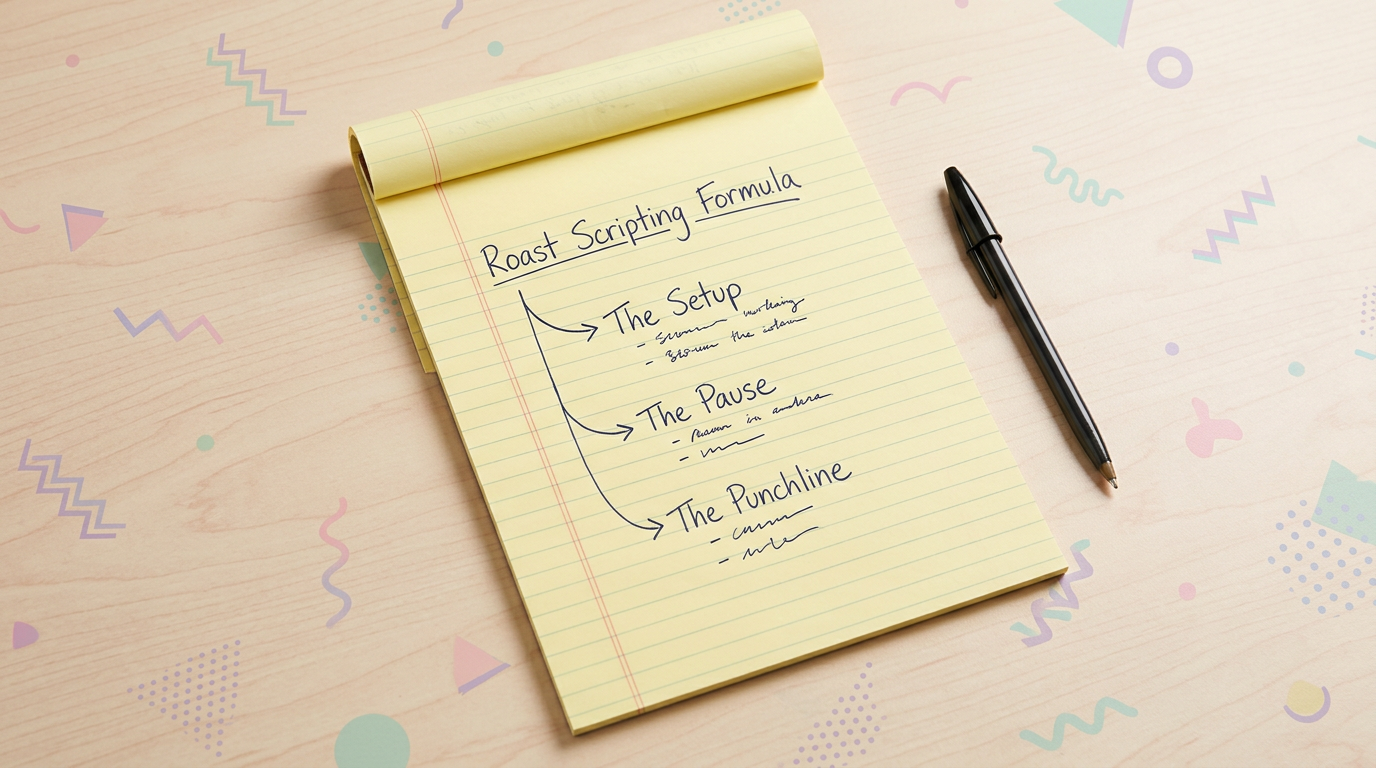
The pacing of a multi-camera sitcom joke differs wildly from modern, chaotic internet humor. Sitcoms require a distinct setup, a deliberate pause for the live studio audience to anticipate the punchline, and a sharp, cynical delivery. This structural precision makes the 90s roast format incredibly effective for personalized milestone videos, like a 30th birthday message. The target understands the format immediately, and the exaggerated hostility feels affectionate rather than mean-spirited.
Modern fans are no longer limited to quoting these old episodes; they are using AI tools to recreate this specific era of sarcastic banter. By scripting AI interpretations of classic characters, creators can generate custom roasts that perfectly mimic the cadence of a 1992 sitcom script. The secret lies in the writing: keeping the insults highly specific to the recipient while maintaining the unbothered, deadpan delivery that defined the decade's best sitcoms.
From Live-Action Snark to Animated Sparks: The Voice Acting Pivot
Transitioning from live-action physical comedy to pure voice acting is notoriously difficult. A live-action actor can rely on an eye roll, a smirk, or a physical gesture to sell a joke. In the sound booth, every ounce of character must be conveyed through vocal weight, pacing, and breath control. Faustino’s pivot to voicing Mako in The Legend of Korra required stripping away the physical crutches of comedy to build a character entirely through sound.
Mako represents the classic "Brooding Hero" archetype—a character whose stoicism masks deep emotional loyalty. This archetype resonates massively in both anime and western animation fandoms because it provides a necessary grounding element amidst highly kinetic, magical environments. For creators producing fan dubs or generating animated voices, understanding this grounding effect is crucial.
Vocal weight is what gives a brooding hero their presence. It involves speaking from lower in the chest, utilizing deliberate pauses, and minimizing rapid pitch changes. When generating or acting out these voices, the focus must shift from rapid-fire delivery to emotional resonance. A successful dramatic voiceover doesn't rush; it commands the space, ensuring the listener feels the stakes of the scene through the audio alone.
Deconstructing Vocal Archetypes
To truly harness these character dynamics for your own content, you need to break down the mechanics of the performance. Whether you are stepping up to a microphone yourself or prompting an AI voice generator, the script formatting and pacing cues dictate the success of the final product.
The Rhythm of the Punchline
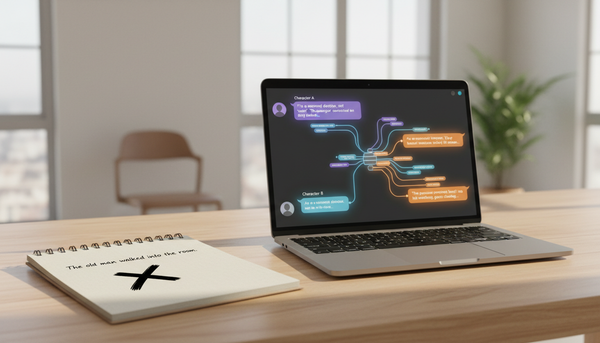
Scripting a comedic roast video requires sitcom-level precision. When writing for a snarky archetype, you must explicitly write the pauses into your script. If you are using an AI generator, this means utilizing ellipses, em-dashes, and hard punctuation to force the AI to take a breath. A joke written as a run-on sentence will fall flat. Instead, structure it as: "I was going to get you a thoughtful gift... but then I remembered your fantasy football record." The pause builds the tension; the deadpan delivery knocks it down.
Grounding the Animated Hero
Dramatic fan dubs require entirely different scripting techniques. The brooding hero relies on breath control and emotional exhaustion. When prompting an AI interpretation of an action hero, use shorter, declarative sentences. Avoid exclamation points unless absolutely necessary, as they can cause the voice to spike in pitch and lose its grounded quality. This stoic approach is particularly vital when you contrast it against highly kinetic, exaggerated cartoon voices. For example, if you are creating a chaotic meme using the Spongebob Squarepants AI voice generator, pairing that frantic, high-energy delivery with a deadpan, brooding hero creates an instantly recognizable and hilarious comedic contrast.
The Nostalgia Blueprint: A Framework for Character-Driven Content
Choosing the right archetype for your content goal is half the battle. A sarcastic 90s persona is perfect for tearing down a friend on their birthday, but it will fail completely if you are trying to hype up your fantasy sports league. Below is a decision framework to help you match the right character style to your specific content use case.
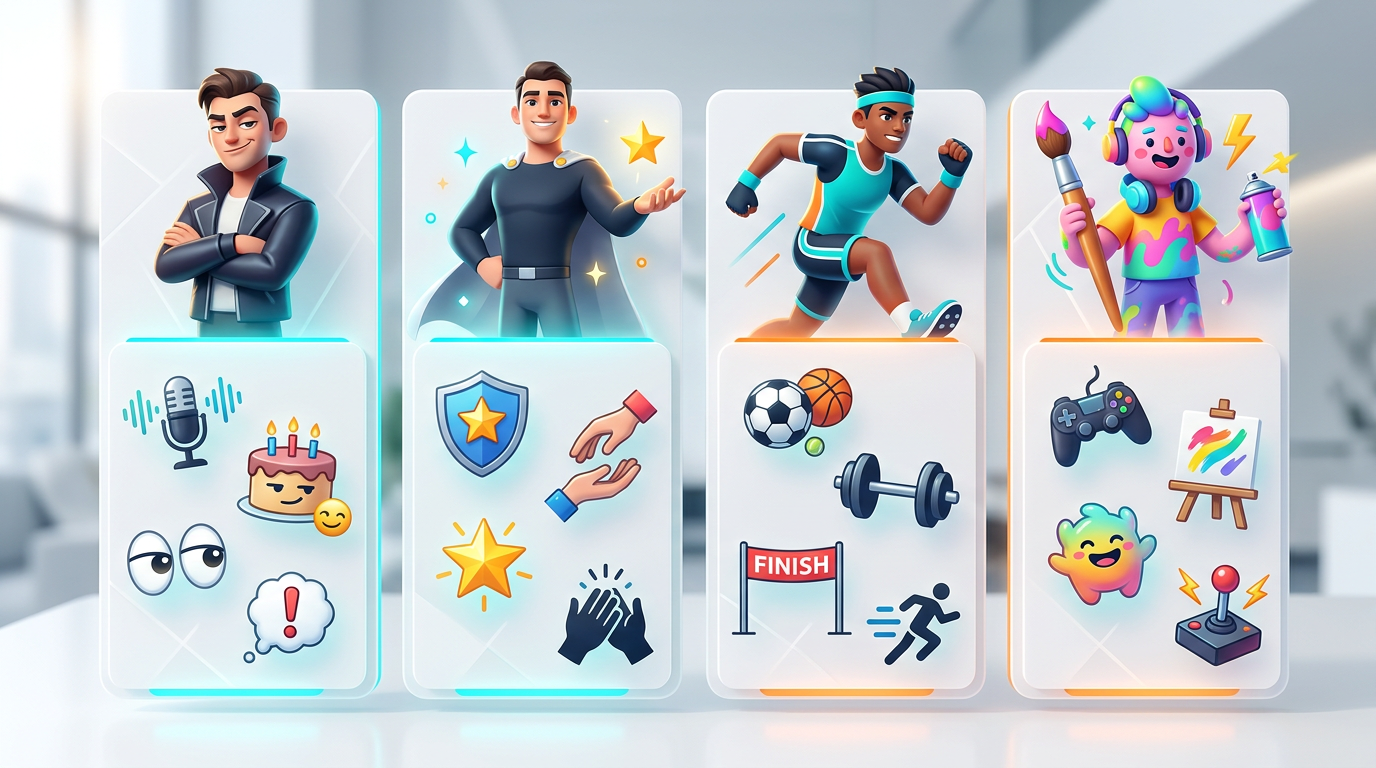
| Archetype | Best Use Case | Scripting Rule | Vocal Delivery Style |
|---|---|---|---|
| The Snarky Teen | Birthday Roasts, Sarcastic Greetings | Setup, pause, insult. Keep it deadpan. | Flat, cynical, unbothered |
| The Brooding Hero | Dramatic Fan Dubs, Lore Videos | Short, declarative sentences. High stakes. | Grounded, low-pitch, slow-paced |
| The Sports Legend | Hype Videos, Fantasy League Trash Talk | Boastful, high-energy, authoritative. | Booming, confident, larger-than-life |
| The Cartoon Icon | Memes, Absurdist Humor | Exaggerated reactions, high emotion. | Kinetic, rapid pitch changes |
Understanding this matrix prevents tonal mismatch. If you want to intimidate your fantasy football rivals before Sunday's games, you don't use a quiet, brooding hero. You pivot to "The Sports Legend." By generating a custom promo featuring a larger-than-life sports persona like Shaq, you tap into an authoritative, booming energy that perfectly fits the trash-talk genre. Match the archetype to the medium, and the content practically writes itself.
Why Passive Fandom is Dead (And What Replaced It)
For decades, fandom was a largely passive experience. You watched the sitcom, you bought the DVDs, and if you were incredibly dedicated, you waited in line at a convention for a brief interaction. Even the introduction of platform-based celebrity shoutouts kept fans at arm's length—you paid hundreds of dollars, waited weeks, and hoped the celebrity pronounced your friend's name correctly in a rushed, one-way video clip.
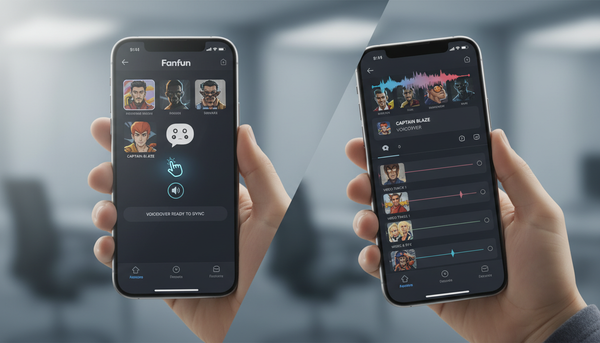
That model is effectively dead. Modern fans demand instant, interactive creation. Platforms like Fanfun have transformed how we interact with our favorite archetypes, allowing users to instantly generate personalized roasts, memes, and birthday wishes. Instead of waiting for a celebrity's schedule to clear, creators can immediately access AI personas to build their own narratives. You are no longer just a spectator to the snarky sitcom brother or the animated action hero; you are the director.
This shift provides unprecedented creative freedom. Whether you need a two-way AI chat to workshop a joke or want to create an instant, high-energy celebrity video message using an AI interpretation like the Dwayne Johnson Ai, the barriers to entry have vanished. By studying the architectural blueprints left behind by iconic performances—the timing, the weight, the delivery—you can leverage these modern tools to create digital content that hits with the exact same impact as the shows you grew up loving.
Who did David Faustino voice in The Legend of Korra?
David Faustino provided the voice for Mako, a firebender and one of the central "Team Avatar" characters in the animated series The Legend of Korra. His performance is widely praised for bringing a grounded, brooding intensity to the role.
How can I make a 90s sitcom style roast video for a friend?
To replicate a 90s sitcom roast, focus on punch-up insult comedy. Write a script with a clear setup, a deliberate pause, and a deadpan punchline. You can use modern AI voice generators on platforms like Fanfun to deliver these scripts using specific character archetypes, ensuring the timing and tone match classic multi-camera sitcoms.
What makes a good script for an AI character voice generator?
A good AI script uses punctuation to control pacing. Use ellipses (...) or em-dashes (—) to force natural pauses, and avoid run-on sentences. For dramatic characters, use short, declarative sentences. For comedic or cartoon characters, exclamation points and question marks will help drive the necessary pitch changes in the AI's delivery.
What is the best alternative to Cameo for instant celebrity videos?
Fanfun is the premier modern alternative to Cameo. Instead of paying high fees and waiting weeks for a rushed, one-way video, Fanfun allows you to instantly generate personalized video messages, roasts, and memes using AI interpretations of celebrities and fictional characters at scale.