Beyond the Mob Boss: Why Modern Storytelling Needs the 'Curatola Intensity' in AI Personas
Modern storytelling demands more than just mimicry. Discover how to leverage nuanced, high-intensity AI personas to elevate your content beyond the generic.
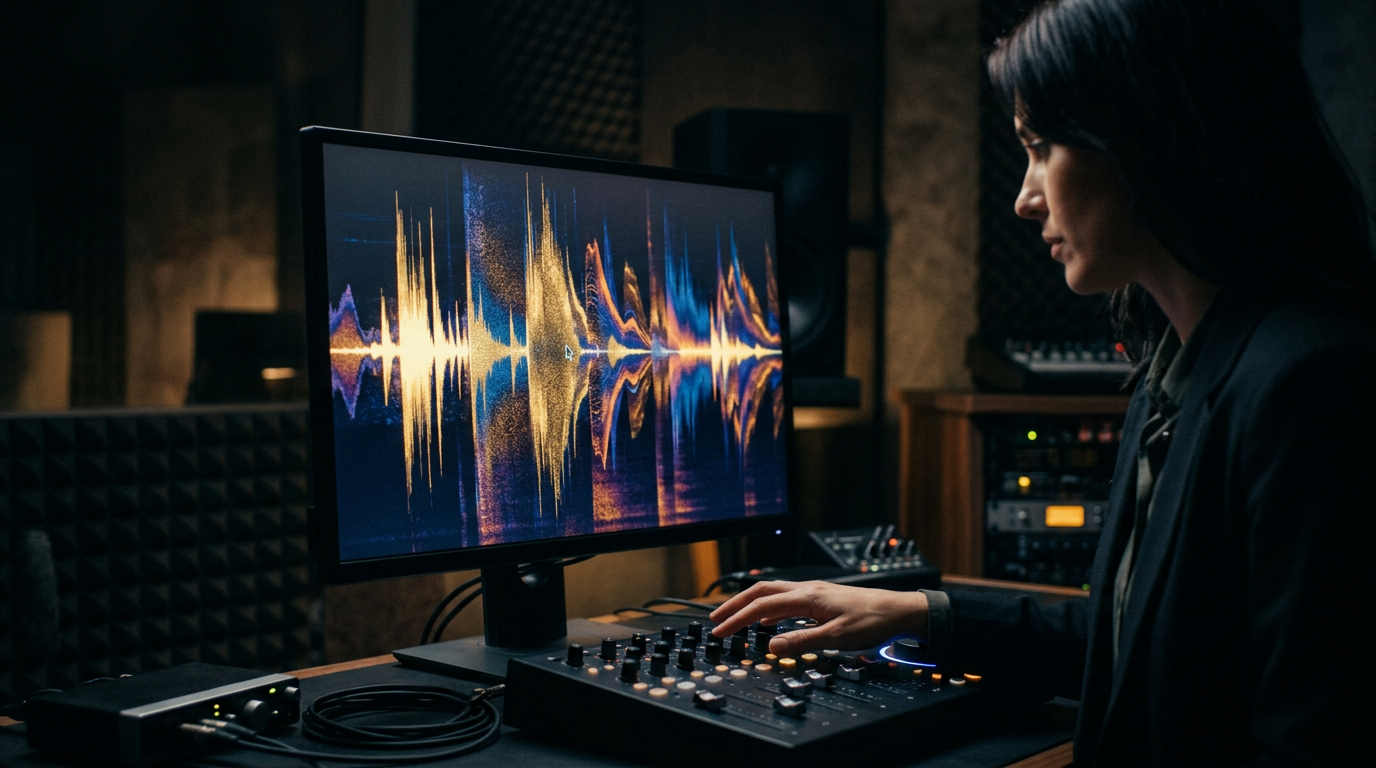
When we talk about the 'Curatola effect'—referencing Vincent Curatola’s masterclass in restraint as Johnny Sack—we aren't talking about volume or speed. We are talking about the heavy, measured silence that precedes a decision. In the world of AI-generated content, most creators settle for pitch-shifted mimicry, which is why so much automated dialogue feels hollow. True narrative weight comes from the cadence of thought, the deliberate pause, and the control of tone that signals authority without shouting for it. This is the new frontier for creators who want to build immersive, character-driven experiences.
Standard text-to-speech tools often fail because they treat every syllable with equal importance. They lack the 'unspoken' weight that defines a compelling character. When you shift from passive consumption of AI content to active, high-intensity interaction, the listener needs to feel that the character is 'present' and making choices, rather than simply reading a script. This is the difference between a flat impression and a fully realized digital persona.
The Anatomy of a Heavy: Why Nuance Matters
The challenge for creators today is to move past the novelty of AI and into the realm of utility. If you are producing content for a YouTube channel or a social media campaign, you need tools that can handle subtext. An AI persona that can deliver a line with a 'weighty' cadence is infinitely more valuable than one that just hits the right pitch. This is where the Fanfun platform changes the game; it allows creators to move away from static, one-off media clips and into the realm of dynamic, interactive character chats.
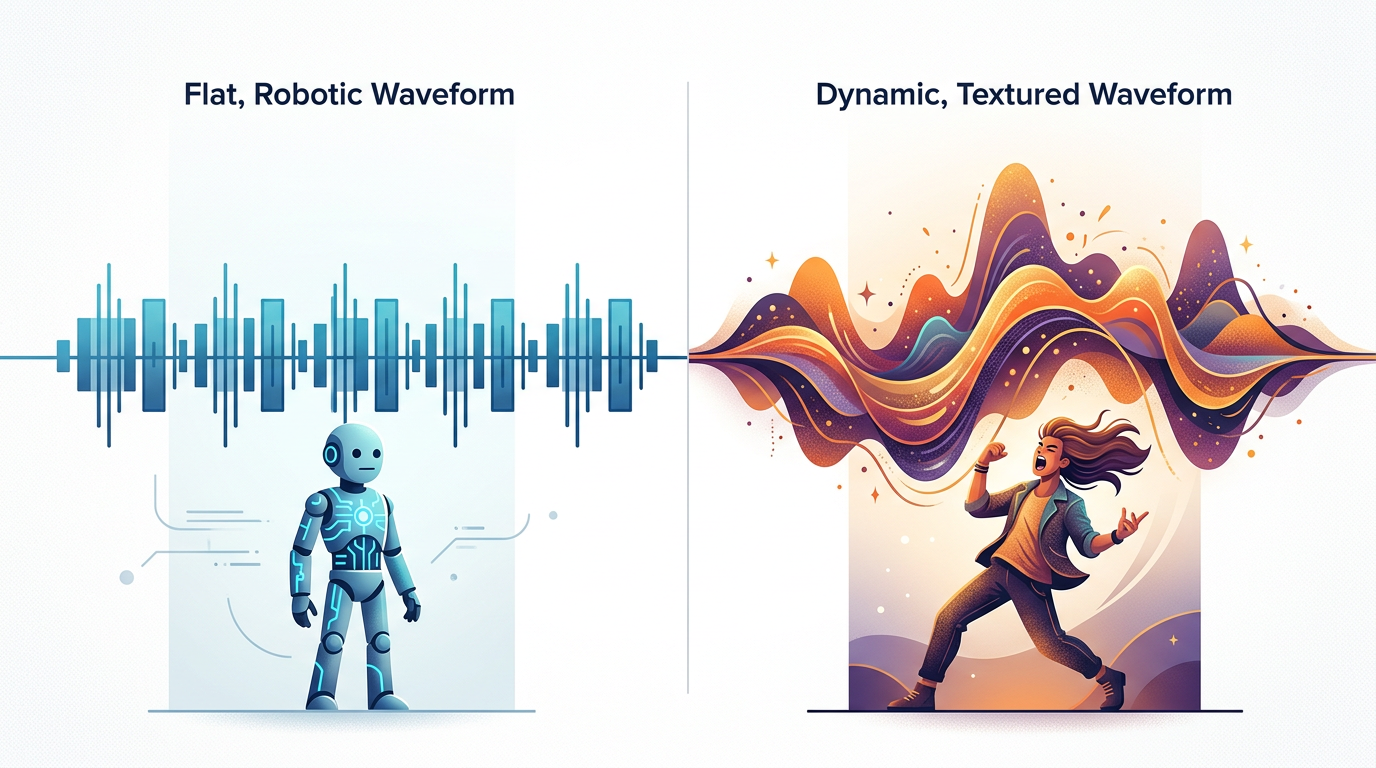
By leveraging an AI persona that understands its own archetypal weight, you can generate content that feels like a deliberate performance. Whether you are building a fan-made cinematic sequence or a comedic skit, the goal is to map the character's core intent to the output. You aren't just looking for an AI voice generator; you are looking for a character that can pivot from calm, calculated menace to unexpected vulnerability, mirroring the complexity of the screen icons we admire. This requires a shift in mindset: treat your AI tool as a collaborator, not a mere converter of text.
Building Presence: From Screen to Interactive AI
Moving an iconic presence into a digital format requires moving beyond the 'impression' mindset. An impression is a party trick; a persona is a functional tool for storytelling. When you interact with a Dwayne Johnson AI, you are not just getting a voice; you are accessing a specific brand of charisma that has been tuned for high-impact communication. This transition is essential for creators who want to use satire or scripted storytelling to engage their audience on a deeper level. The ability to simulate the 'presence' of a star—the way they hold space in a room—is what separates professional-grade content from amateur experiments.
The secret to high-intensity AI content is in the curation of the prompt. When you define the context for your persona, you should focus on the 'why' rather than the 'what.' Instead of telling the AI to 'sound tough,' describe the scene: 'You have just been betrayed by your closest ally, and you are choosing to stay silent.' This approach forces the AI to lean into the cadence of a heavy, rather than simply reciting text. It is the difference between a caricature and a character. By providing emotional context, you unlock the hidden potential of the model to deliver nuanced, human-like reactions.
The Persona Spectrum: Choosing Your Archetype
Not every project calls for the same type of intensity. Selecting the right persona is about matching the emotional goal of your content to the character's inherent archetype. You might need the grounded, deliberate weight of a dramatic heavy for a serious critique, or the high-octane charisma of an athlete for a fast-paced promo. For instance, while a dramatic persona offers controlled tension, you might contrast that with the high-energy, recognizable charisma of the Shaq AI when you need to drive immediate audience engagement through pure, infectious personality.

The Archetype Framework
| Archetype | Best Use Case | Emotional Goal |
|---|---|---|
| The Heavyweight | Satire, Dramatic Skits, Noir | Authority, Menace, Control |
| The High-Energy Icon | Promos, Memes, Commentary | Charisma, Urgency, Excitement |
| The Comedic Lead | Lighthearted Content, Parody | Relatability, Wit, Chaos |
By categorizing your needs through this spectrum, you ensure that the AI tools you select are working in service of your narrative rather than against it. If your script requires gravitas, don't force a high-energy persona into the role; lean into the specific weight of your chosen character. For example, if you are looking to capture the legacy and competitive drive of a legend, the Kobe Bean Bryant persona offers a distinct, focused intensity that is perfect for motivational or storytelling content. Similarly, for projects requiring a blend of charm and modern relatability, exploring the Sydney Sweeney persona can provide a contemporary edge that resonates with younger demographics.
Practical Application: Scaling Your Content
Scaling content creation doesn't have to mean sacrificing quality. The key is to focus on character intent. When you use AI to iterate on fan-made content, think about the 'why' behind the delivery. Are you looking for the stoicism of a mob boss, or the manic optimism of a cartoon character? For lighter, comedic projects, the creative flexibility of using a Spongebob Squarepants AI provides a distinct, recognizable energy that is entirely different from the dramatic weight of a crime drama persona. By mixing and matching these archetypes, you keep your audience engaged and prevent your content from becoming predictable.
Consistency is your greatest ally in building a loyal audience. When your viewers know that your AI-driven characters will react with a specific, recognizable personality, they are more likely to return for future content. This is why Fanfun focuses on the 'persona' rather than just the 'voice.' A voice is transient, but a persona is a reliable creative partner. Whether you are building a recurring series or a one-off viral video, your ability to maintain the character's 'intensity' is what will set your work apart from the thousands of generic AI clips flooding social media today. In an era of infinite content, the creators who win are those who treat their digital cast with the same respect they would accord a human actor.
Finally, remember that the technology is a tool, not a replacement for your creative vision. The most successful creators on our platform are those who treat their AI personas as actors in a troupe. They direct them, they iterate on the scripts, and they push the boundaries of what the persona can say and do. If you find that a character is not quite hitting the right tone, don't be afraid to adjust the context. For family-oriented or nostalgic projects, you might even integrate a classic, recognizable figure like the Mickey Mouse persona to ground your content in a shared cultural history. The beauty of modern AI is its malleability; use it to experiment, to fail, and ultimately, to find the perfect expression of your story.
How do I create a character voice that sounds like a specific actor?
You don't need to manually clone a voice; instead, use the Fanfun character library. These personas are designed to capture the essence and cadence of iconic figures, allowing for expressive, high-quality output without the need for complex technical setup.
Can I use AI personas for commercial content creation?
Yes, Fanfun is built for creators, marketers, and brands. Whether you are creating promos, social media content, or scripted narratives, our AI personas provide a scalable way to integrate celebrity-style engagement into your professional projects.
What is the difference between an AI voice generator and an interactive AI persona?
An AI voice generator is typically a tool for text-to-speech conversion. An interactive AI persona, like those found on Fanfun, goes further by providing a two-way, conversational experience that maintains character consistency, personality, and intent throughout the interaction.
How does Fanfun handle the nuance of iconic character voices?
Fanfun utilizes advanced AI models that are tuned to recognize the specific emotional weight, cadence, and archetypal traits of characters. This moves the output beyond simple mimicry and into the realm of character-driven performance.