Beyond the Impression: Why Modern Storytelling Demands More Than Just a Voice
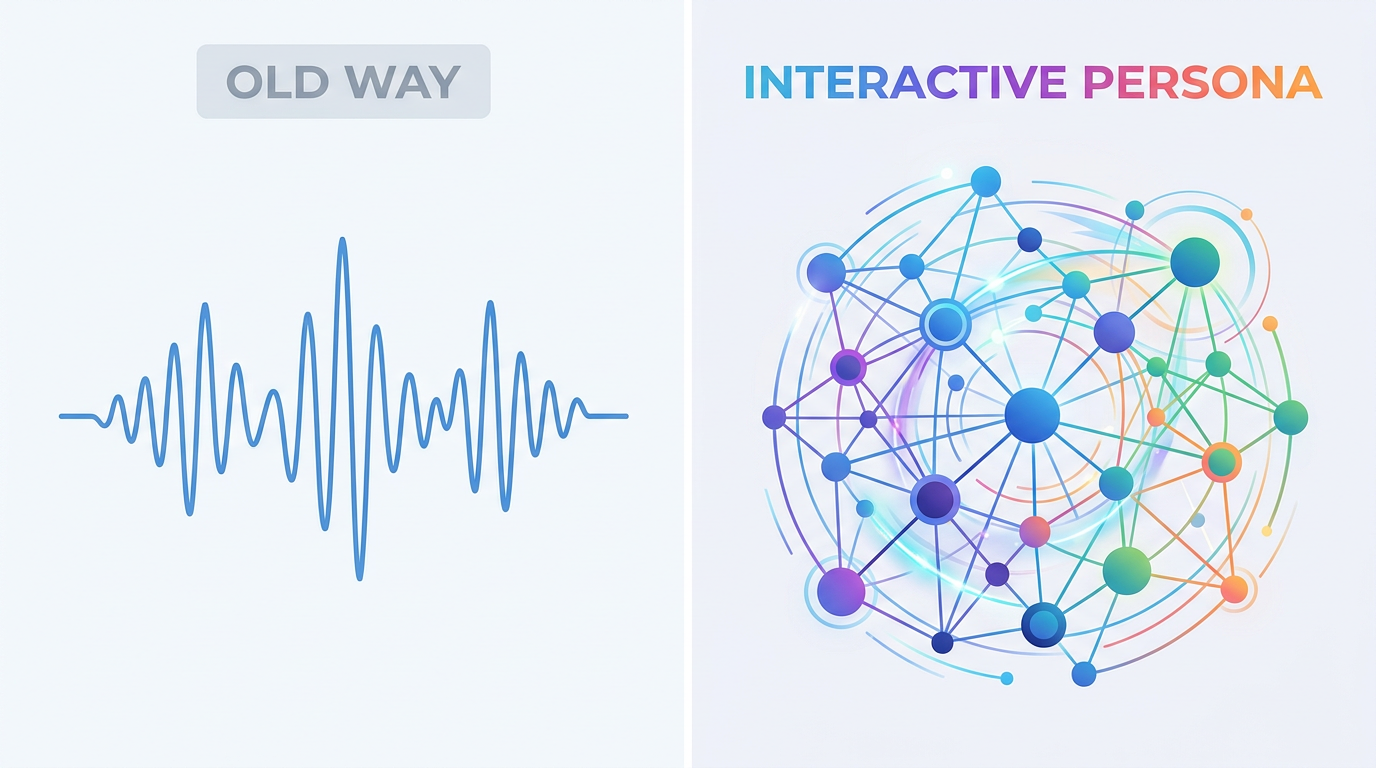
Static impressions are a relic of the past. To capture modern audiences, creators must pivot toward dynamic, interactive AI personas that feel responsive and alive.
The digital landscape has entered a post-mimicry phase. For years, the gold standard of digital imitation was the perfect voice clone—a technological parlor trick designed to fool the ear. If you could replicate a cadence or hit a specific vocal inflection, you were considered ahead of the curve. Today, that novelty has evaporated. Audiences are no longer impressed by machines that simply read a script; they are increasingly desensitized to standard AI voice generators that lack the capacity for nuance, context, and, most importantly, true interactivity.
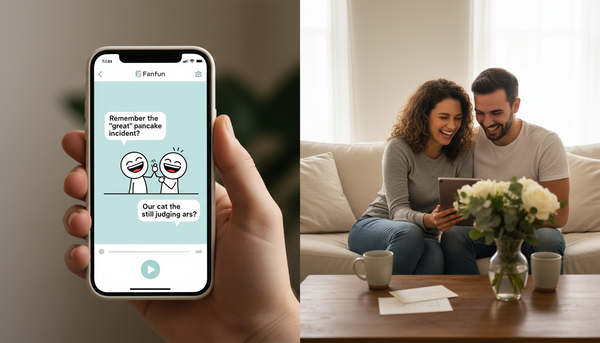
We are witnessing a fundamental shift where passive consumption is being rapidly displaced by active participation. Fans no longer want to just listen to a character; they want to engage with them. When a persona remains static—limited to pre-written, one-way audio clips—it creates a sterile wall between the creator and the audience. Real engagement requires a persona that can react, adapt, and hold its own in a conversation, moving beyond the 'one-off' impression into something that feels like a living, breathing part of the digital landscape.
The Death of the Static Impression
The limitation of the traditional voice clone is its lack of agency. A static clip is a dead end; it offers no path for the listener to influence the outcome. In contrast, modern storytelling requires a feedback loop. When you look at the evolution of fandom, the most successful content creators are those who treat their characters as dynamic entities rather than static puppets. This is why platforms like Fanfun have moved away from simple text-to-speech models and toward interactive, persona-driven experiences. The goal isn't just to sound like a celebrity or a beloved character; it is to embody the specific, high-octane charisma that defines their brand.
Take, for instance, the energy behind the Dwayne Johnson AI. It succeeds not because it is a technical carbon copy of his vocal cords, but because it captures the specific, high-octane charisma that defines his brand. When users interact with these types of personas, they aren't looking for a forensic audio analysis; they are looking for the vibe. The magic happens when the AI can mirror that energy in real-time, allowing the user to feel as though they are actually interacting with the icon themselves rather than just a playback device.
Anatomy of a Compelling Digital Persona
What separates a forgettable voice clip from a character worth following? It comes down to the fusion of consistency and energy. A compelling digital persona requires a distinct vocabulary, a defined emotional range, and a consistent tone that doesn't break under pressure. Whether you are crafting a roast, a birthday wish, or a meme, the persona must feel like it 'knows' the context of the situation.
Consider the difference between a generic voice generator and a specialized character interaction. When you engage with a persona like Kobe Bean Bryant, you expect a certain level of intensity, focus, and competitive spirit. The AI must be tuned to respect that legacy. Similarly, when using a character like Spongebob Squarepants, the persona needs to lean into optimism and humor. This is where the 'North Star' of your persona comes into play. If your character is high-energy, they shouldn't sound lethargic; if they are cynical, they shouldn't offer generic, helpful advice. The consistency of the persona is what builds trust with the audience.
The Power of Two-Way Interaction
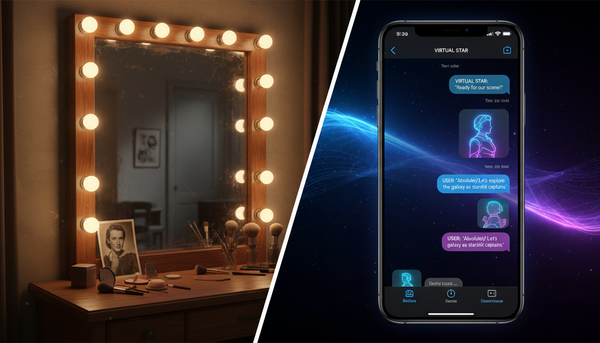
The transition from static to interactive is the single biggest shift in modern fandom. When you give a user the ability to ask questions, solicit advice, or trigger a specific persona reaction, you change the power dynamic. The user moves from a spectator to a participant. This is the cornerstone of the Fanfun approach. By enabling two-way conversations, you transform a simple video clip into a personalized interaction that feels bespoke and intimate. This is the ultimate evolution of Cameo alternatives, offering a scalable, instant connection that traditional booking methods simply cannot match.
Building Your Own Digital Presence
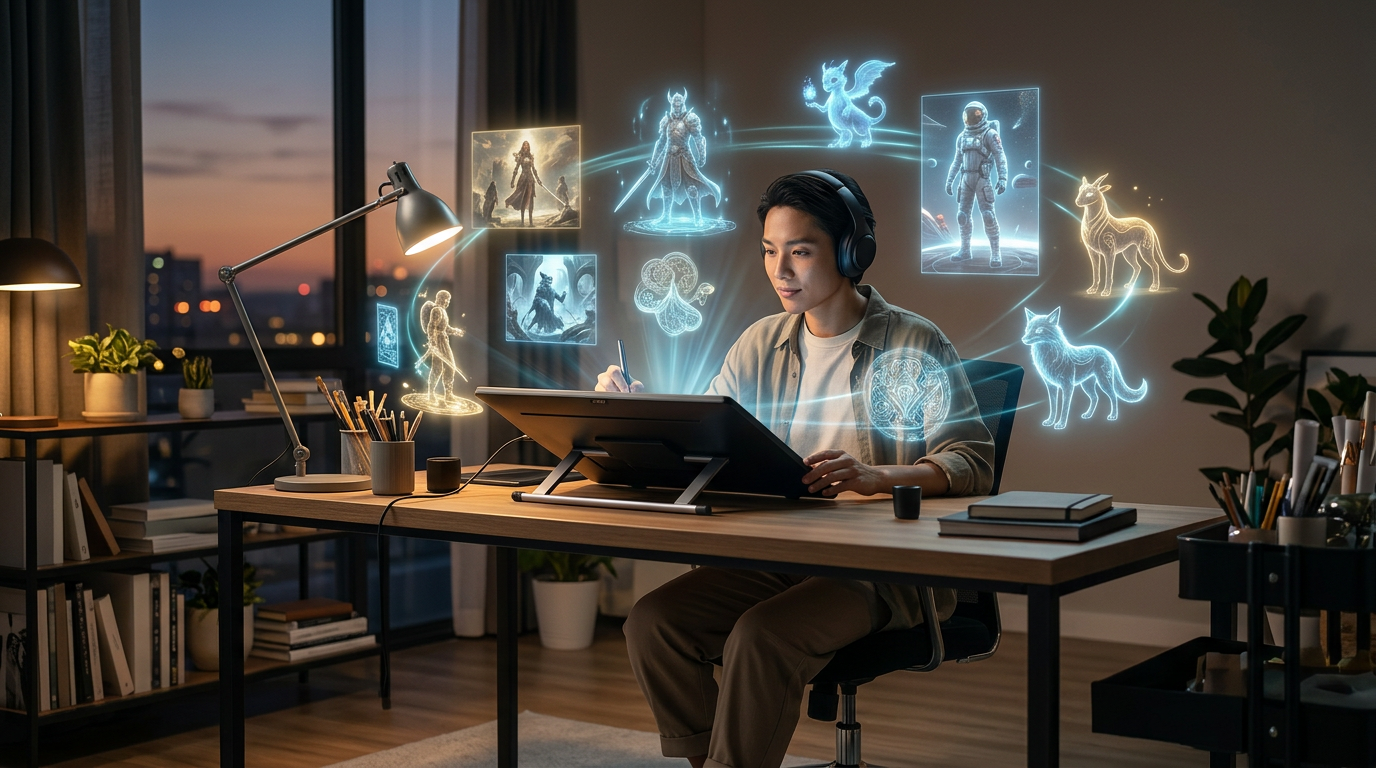
If you are a creator looking to leverage these tools, you need a framework that prioritizes character over code. Start by identifying your character's 'North Star' traits—those three or four core attributes that make them instantly recognizable. Once those are locked in, use interactive platforms to test how the persona handles unexpected inputs. A great persona should be able to pivot during a back-and-forth conversation without breaking character.
Framework for Persona Development:
- Define the Core Vibe: Is your character high-energy, cynical, helpful, or comedic?
- Map the Vocabulary: List the words or slang the character would never use.
- Test Interactivity: Does the persona hold up during a back-and-forth conversation?
- Iterate on Feedback: Use the responses you get from your audience to refine the character's tone.
Static voice clips are fine for a single, controlled moment, but dynamic AI chat integration is what keeps an audience coming back. It allows you to build a repository of content that feels fresh every time, whether you are utilizing the gravitas of a sports icon like Shaq or creating playful, lighthearted content for a younger demographic.
The Power of Instant Content Scaling
One of the biggest bottlenecks for creators is production time. Writing, recording, and editing a video can take days. AI-driven platforms flip this model on its head, allowing you to generate content in minutes. Fanfun streamlines this transition, helping creators move from an abstract idea to a published piece of content without the traditional production headaches. By removing the wait times associated with traditional celebrity bookings, you gain the freedom to experiment. You can draft multiple versions of a video, iterate on the fly, and publish content that feels timely and relevant—all without needing a full production crew.

Whether you are integrating a character like Mickey Mouse into a modern narrative or exploring the cultural impact of someone like Sydney Sweeney, the ability to scale is unprecedented. You are no longer limited by human availability or geographical constraints. You are limited only by your creative intent. This scalability is essential for creators who operate in high-velocity niches like gaming or live-streaming, where being first to a trend is often more important than being perfect.
Why Contextual Awareness Wins
The final frontier of AI persona development is contextual awareness. A character that knows it is in a birthday video is good; a character that knows it is in a birthday video for a specific fan, referencing their favorite hobby, is exceptional. This level of personalization is what separates top-tier content from the noise. When you use advanced AI models, you aren't just generating audio; you are synthesizing a relationship. The more the persona can draw from a curated knowledge base of character history, the more authentic the interaction feels. This is why we encourage creators to move away from rigid, pre-scripted responses and toward models that allow for improvisation within character boundaries. The spontaneity of a well-trained AI persona is what makes the interaction feel human, even when the underlying technology is synthetic.
Navigating the Future of Fandom
As we move deeper into this era, the responsibility of the creator becomes paramount. Authenticity is not about technical mimicry; it is about creative intent. A perfect copy that lacks soul will always lose to a slightly imperfect persona that feels honest to its character. Modern fans value the 'vibe' of an icon because that is what they connect with emotionally. By focusing on the emotional resonance of your AI personas rather than just the accuracy of their audio, you create a deeper, more sustainable relationship with your audience. Ultimately, the future of digital engagement is not found in the perfection of the voice, but in the depth of the interaction. When you move beyond the impression, you enter the realm of true digital storytelling—a space where the audience is not just watching, but participating in the creation of the narrative itself.
How is AI-driven persona creation different from traditional voice acting?
Traditional voice acting relies on a human performer to interpret a script, which is a fixed, non-interactive process. AI-driven persona creation focuses on building a responsive, context-aware character that can interact with users in real-time, providing a dynamic experience that evolves based on the conversation.
Can I create my own interactive character using AI?
Yes. By defining the core traits, vocabulary, and emotional range of a character, you can utilize AI platforms to build a persona that responds to users. The key is focusing on the 'vibe' and character consistency rather than just technical voice accuracy.
Why are fans moving toward AI chat platforms over static videos?
Fans crave participation. Static videos are passive experiences, whereas AI chat platforms allow users to have a two-way conversation, ask questions, and engage directly with their favorite icons, making the interaction feel personal and immediate.
How do I ensure my AI persona remains authentic to the character?
Authenticity comes from defining a clear set of 'North Star' traits—the core personality markers that never change. By ensuring the AI follows these constraints in its vocabulary and emotional tone, you maintain the character's integrity even when the conversation is unscripted.