Beyond the Parrot: Why AI Personas Need Personality, Not Just Mimicry
True AI engagement isn't about repeating words—it's about capturing the soul of a character. Here is why you should upgrade from basic mimicry to interactive AI personas.
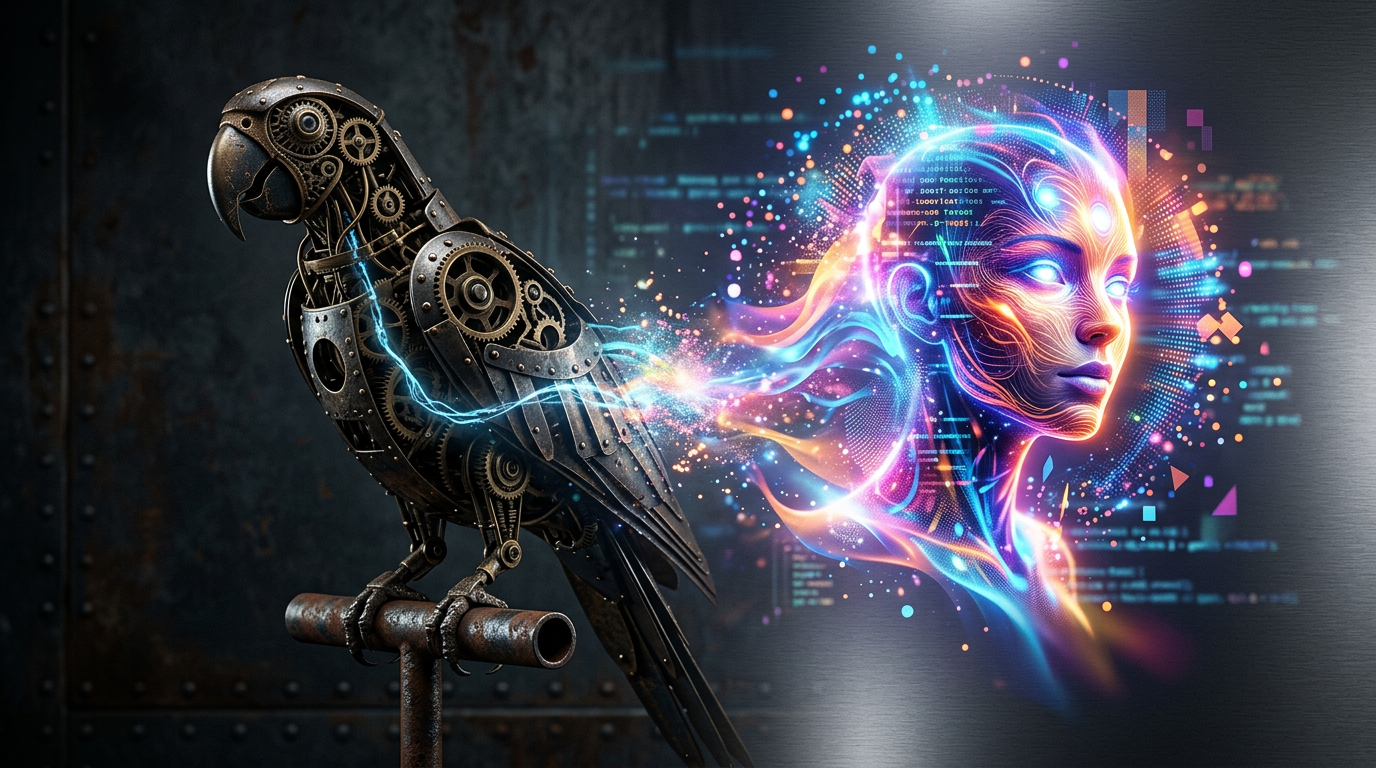
In the early days of generative audio, the gold standard was simple mimicry—the ability for a machine to sound like a specific person. We call this 'parrot AI.' It is technically impressive for a moment, but it quickly hits a wall. A parrot can repeat a phrase, but it doesn't know the weight, the irony, or the context behind the words. For content creators, this creates an 'uncanny valley' of audio: the voice sounds right, but the delivery feels hollow. When your audience hears a voice that lacks the soul of the original, they disengage immediately.
A true AI persona is fundamentally different. It isn't just a waveform trained to match a pitch; it is a system designed to understand intent, cadence, and character. When you use a persona, you aren't just cloning a voice; you are invoking a specific creative archetype that can adapt to the script. At Fanfun, we focus on this shift from static mimicry to dynamic interaction, ensuring that the AI doesn't just speak—it performs. By moving beyond simple replication, creators can finally tap into the potential of AI as a storytelling partner rather than a glorified tape recorder.
The Difference Between Mimicry and Persona
Mimicry is a one-dimensional pursuit. If you feed a basic voice cloner a script about a high-stakes basketball game, it will read the words with the same clinical precision as if it were reading a grocery list. This is the 'parrot' trap. It lacks the internal logic of a character. You might get the timbre of a voice right, but the audience will immediately sense the lack of soul. They recognize when a voice is 'off' because it fails to land the emotional beats that define a personality.
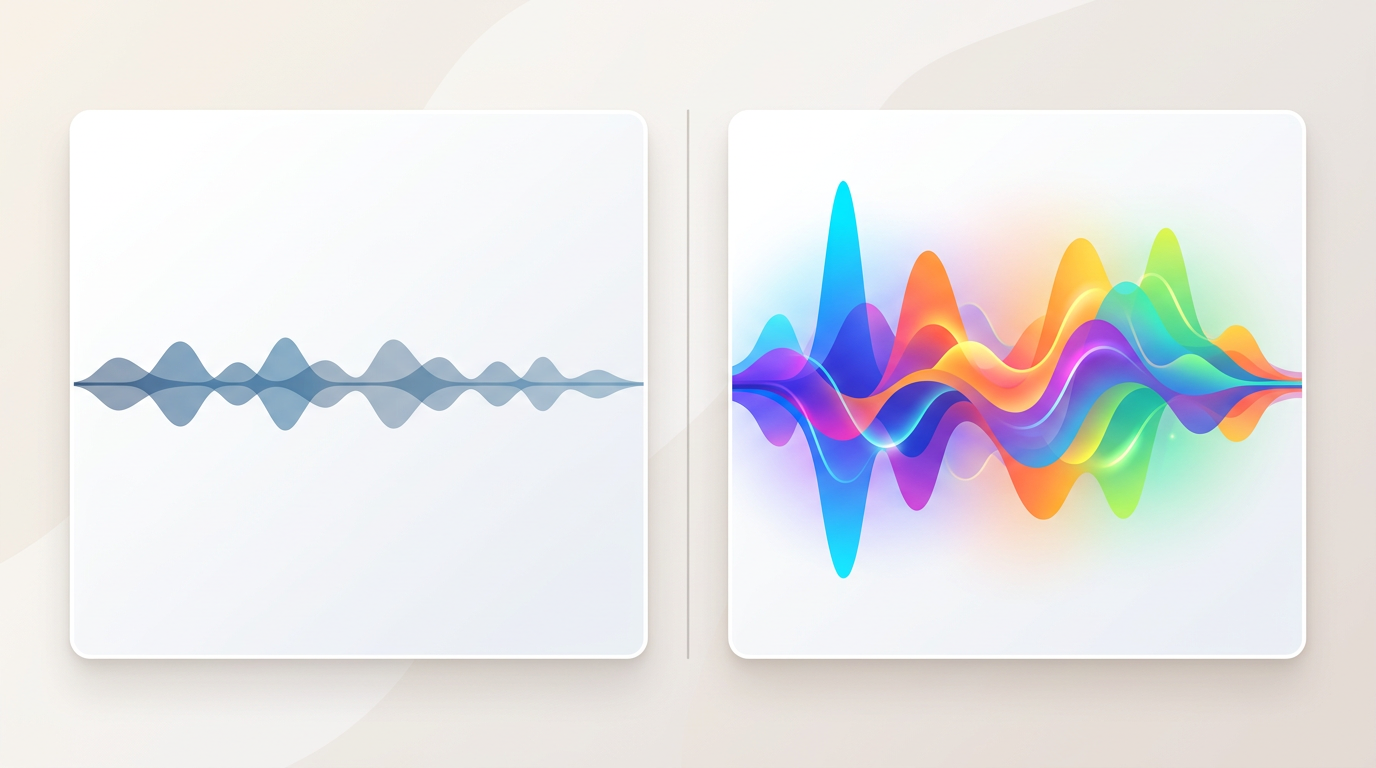
A professional-grade AI persona, by contrast, acts as a digital proxy. When you utilize the Kobe Bean Bryant persona, you are accessing a model trained on the specific intensity and vocabulary associated with that legend. It understands the difference between a motivational speech and a casual greeting. This distinction is what separates amateur content from professional-grade production. The goal of using AI in your creative workflow should be to augment your storytelling, not to simply replace a recording device with a soulless digital mimic. When the AI 'gets' the character, the production value skyrockets instantly.
Why Contextual Intelligence Matters
Context is the difference between a robotic greeting and a genuine connection. Consider how a global icon carries themselves. A locker room pep talk requires a different cadence, vocabulary, and intensity than a birthday shoutout or a brand promo. If your AI tool lacks contextual intelligence, it will deliver every message with the same flat, monotone energy. This is why tools that treat characters as living, breathing entities are superior to basic voice clones.
When you interact with a high-fidelity model, such as the Dwayne Johnson AI, the system understands the specific energy associated with that figure. It isn't just about matching the gravel in the voice; it's about the conviction behind the words. Authentic content creation requires an AI that can shift gears based on the scenario, whether you are writing a comedic roast, an inspirational message, or a high-energy social media promo. Contextual awareness allows the AI to emphasize the right words, pause for effect, and deliver lines with the authority the audience expects.
The Power of Improvised Logic
The biggest failure of 'parrot' tools is their inability to improvise. They require a perfect, pre-written script to sound even remotely convincing. Professional-grade AI personas, however, can handle the nuance of conversation. They don't just output audio; they process intent. This allows creators to build content that feels spontaneous, which is exactly how modern social media audiences engage with their favorite icons. When you can generate a response that feels like a real-time reaction, you move from passive content to active engagement.
Imagine trying to generate a reaction to a trending topic. A static voice cloner would require you to write every word, check the tone, and likely re-record three times to get the inflection right. An interactive persona, however, can be prompted to respond in character, maintaining the persona's 'voice' while addressing new, unpredictable situations. This is the difference between a tool that saves you time and a tool that actually expands your creative capabilities. By leveraging these interactive models, you can produce daily, relevant content that keeps your channel or brand at the center of the conversation.
Choosing the Right AI Tool for Your Content
Not all AI tools are built for the same purpose. Before you commit to a platform, evaluate it against the realities of your creative workflow. You need more than just a voice; you need a character library that offers depth, variety, and reliability. If you are a creator, your reputation is tied to the quality of the content you put out; using a low-fidelity tool will inevitably reflect poorly on your brand. Creators are increasingly looking for platforms that offer more than just a 'text-to-speech' box.

Evaluation Framework for AI Creators:
- Personality Range: Can the AI handle multiple emotional states, or is it locked into one delivery style?
- Interactive Capabilities: Does the platform allow for two-way chat, or is it strictly a one-way voice generator?
- Creative Versatility: Can you apply the persona to various formats, from short-form memes to longer, narrative-driven scripts?
- Character Integrity: Does the platform provide a curated library of distinct, recognizable personas that feel authentic to their real-world counterparts?
When you compare a generic 'parrot' generator to a platform like Fanfun, the difference becomes clear. Using a professional-grade persona like Shaq provides instant credibility for your content because the AI is tuned to the specific personality traits of the celebrity. It is a tool for creators who care about quality, not just novelty. Whether you are creating content for a niche audience or a broad social media campaign, the persona you choose serves as the foundation of your engagement. Don't settle for tools that only give you a voice when you can have a character.
Beyond the Script: Interactive Fandom
The future of fandom is interactive. Audiences no longer want to just watch a static video; they want to engage with the characters they love. This is where the shift from one-way clips to two-way AI chat experiences changes the game. By using interactive personas, creators can build stories that involve the audience directly. The barrier to entry for high-quality, interactive content has never been lower, but the requirement for quality has never been higher.
Take, for example, the use of iconic fictional characters. When a creator uses a persona like Spongebob Squarepants, they are tapping into a deeply established emotional connection. In an interactive AI format, that character can respond to live prompts, turning a standard social media post into a living, breathing performance that keeps followers engaged for longer. This level of engagement is impossible with static audio files or basic voice cloning. You are essentially inviting your audience to play in a sandbox with their heroes.
Furthermore, consider the aesthetic impact of high-quality personas. Whether you are integrating the voice of Sydney Sweeney for a dramatic narrative or bringing the timeless charm of Mickey Mouse to an educational project, the quality of the persona dictates the success of the project. If the AI sounds 'off,' the audience disconnects. If the AI sounds like a true performance, the audience leans in. The difference is subtle but profound; it is the difference between a video that gets skipped and one that gets shared.
The Ethics of AI Character Creation
As AI becomes more accessible, the responsibility of the creator grows. There is a fine line between parody and impersonation, and the best platforms are those that respect that boundary. Using licensed and curated personas is not just a legal safeguard—it is a better creative choice. It ensures that the AI is being used in a way that honors the subject while giving you the freedom to tell your own stories. By choosing platforms that prioritize ethical AI, you are building a brand that is sustainable, professional, and built to last. Remember, your audience trusts you to curate their experiences; don't break that trust by using low-quality, exploitative AI tools.
What is the difference between a parrot AI and an AI persona?
Parrot AI is limited to simple voice cloning, often resulting in a monotone, robotic delivery that lacks context. An AI persona, like those on Fanfun, is designed to understand character traits, emotion, and cadence, providing a more authentic and interactive experience.
Can I use AI to create my own celebrity-style content?
Yes. Fanfun provides a library of celebrity and character personas that you can use to generate birthday wishes, roasts, promos, and memes instantly, making it an affordable alternative to booking real talent for simple projects.
Is it legal to use AI voices for social media content?
When you use licensed, curated platforms, you operate within a framework designed for creative expression. Always ensure you are using tools that respect intellectual property and follow the terms of service for the platform providing the AI personas.
How do I make my AI content sound more human?
The key is context and variety. Don't just rely on a single script. Use platforms that allow for two-way interaction and provide characters with diverse emotional ranges, which helps the AI deliver lines with the proper tone and intent.