Beyond the Deepfake: Why Parody AI is Redefining Digital Satire
Satire has always relied on imitation, but AI has lowered the barrier to entry. We explore how to use AI for high-quality, legally safe, and culturally relevant comedy.

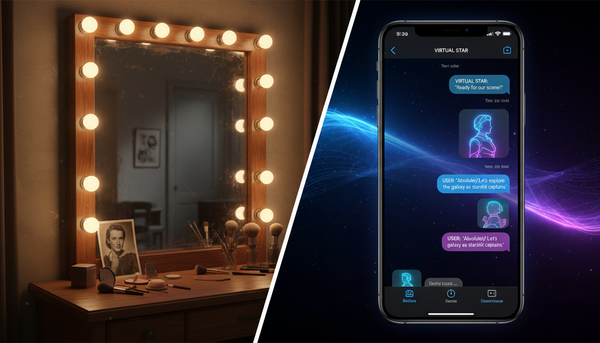
Traditional satire was once a high-friction endeavor. Whether it was the complex makeup work of classic sketch comedy or the slow, manual editing required to craft a parody video, the barrier to entry was defined by technical skill and access to expensive resources. If you wanted to roast a public figure, you were at the mercy of production houses or your own ability to mimic cadence perfectly. The digital age has fundamentally shifted this landscape, moving the needle from technical execution to creative intent. Today, creators can experiment with tone, rhythm, and persona in minutes rather than weeks. The artistic value in this new era doesn't come from the ability to deceive; it comes from the ability to highlight the absurd.
The most effective digital satire isn't a deepfake designed to trick the viewer—it is an obvious, hyper-stylized parody that relies on a 'wink' to the audience. When the audience knows they are watching an AI-driven interpretation, the comedy shifts from 'is this real?' to 'look at how perfectly this captures the essence of the subject.' This is the core philosophy behind Fanfun: providing tools that allow creators to lean into caricature, not forgery.
The Evolution of the Digital Roast
The modern creator must understand that AI is a tool for caricature, not a tool for forgery. When you use a platform like Fanfun, you are not attempting to replicate reality; you are attempting to amplify personality. Think of it as a digital version of an impressionist’s act. An impressionist doesn't look exactly like the person they are mimicking, but they capture the vocal tics and behavioral quirks that make the subject recognizable. This is the difference between a malicious deepfake and a piece of high-quality satire.
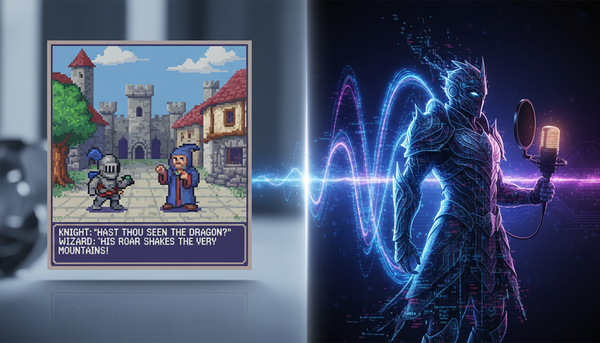
Writing for AI characters requires a shift in mindset. You aren't just writing lines of dialogue; you are writing a caricature. A recognizable cadence—like the intense, high-energy delivery you can explore with the Dwayne Johnson Ai—is far more effective than a perfect visual clone. The goal is to lean into the traits that make the subject iconic. By focusing on the 'essence' of the character, you create a layer of distance that keeps the content firmly in the realm of parody. This intentional stylization is exactly what keeps your content engaging and legally distinct from deceptive media.
The Fanfun Framework for Satirical Prompts
To get the best results, use the 'Fanfun Framework' for your prompts: keep it specific, keep it hyperbolic, and keep it lighthearted. If you are writing a script for a roast, don't just state facts; amplify the subject's known quirks. If your persona is known for being overly serious, make them sound absurdly intense about something trivial. By framing your prompt to emphasize these specific personality traits, you transform a generic voice generator into a sharp, satirical tool.
The Golden Rules of AI Prompting
- Be Specific: Instead of 'talk like a hero,' use 'talk like a hero who is obsessed with the nutritional value of pancakes.'
- Be Hyperbolic: Satire lives in the extremes. Turn the volume up on the persona's signature style.
- Be Lighthearted: The best satire is collaborative, not combative. Focus on humor that celebrates the subject's archetypal traits.
By applying these rules, you move away from the 'uncanny valley' and into the 'comedy zone.' When the AI output is clearly exaggerated, the audience feels invited into the joke rather than being manipulated by it.
The Ethics of AI Parody: Staying on the Right Side of History
The line between satire and harm is defined by intent. Distinguishing between public figures, who are generally fair game for parody, and private individuals is the first step in ethical content creation. Using Fanfun allows creators to operate within a controlled environment that prioritizes licensed and original personas, which effectively removes the risk associated with unauthorized, hyper-realistic deepfakes.
A simple test for any creator is the 'Grandmother Test': if you wouldn't feel comfortable showing the content to your family or explaining the joke to the person being parodied, it is likely crossing the line into malice. Satire should be a mirror held up to culture, not a weapon. When you use tools that provide a clear, creative boundary, you protect your own integrity as a creator while ensuring your audience understands the context of your work. Always include a disclaimer or a visual cue that the content is AI-generated, which is a standard best practice in professional content creation.
From Shaq to Spongebob: Choosing Your Character
The persona you choose dictates the emotional response of your audience. Athletic archetypes, for instance, are perfect for high-energy, motivational, or comedic sports commentary. If you are aiming for a larger-than-life, humorous presence, using a Shaq persona provides an instant sense of authority mixed with a playful, larger-than-life energy that audiences immediately recognize. Similarly, if you want to explore the competitive spirit, the Kobe Bean Bryant persona offers a distinct, focused intensity that can be played for laughs in a high-stakes, satirical context.
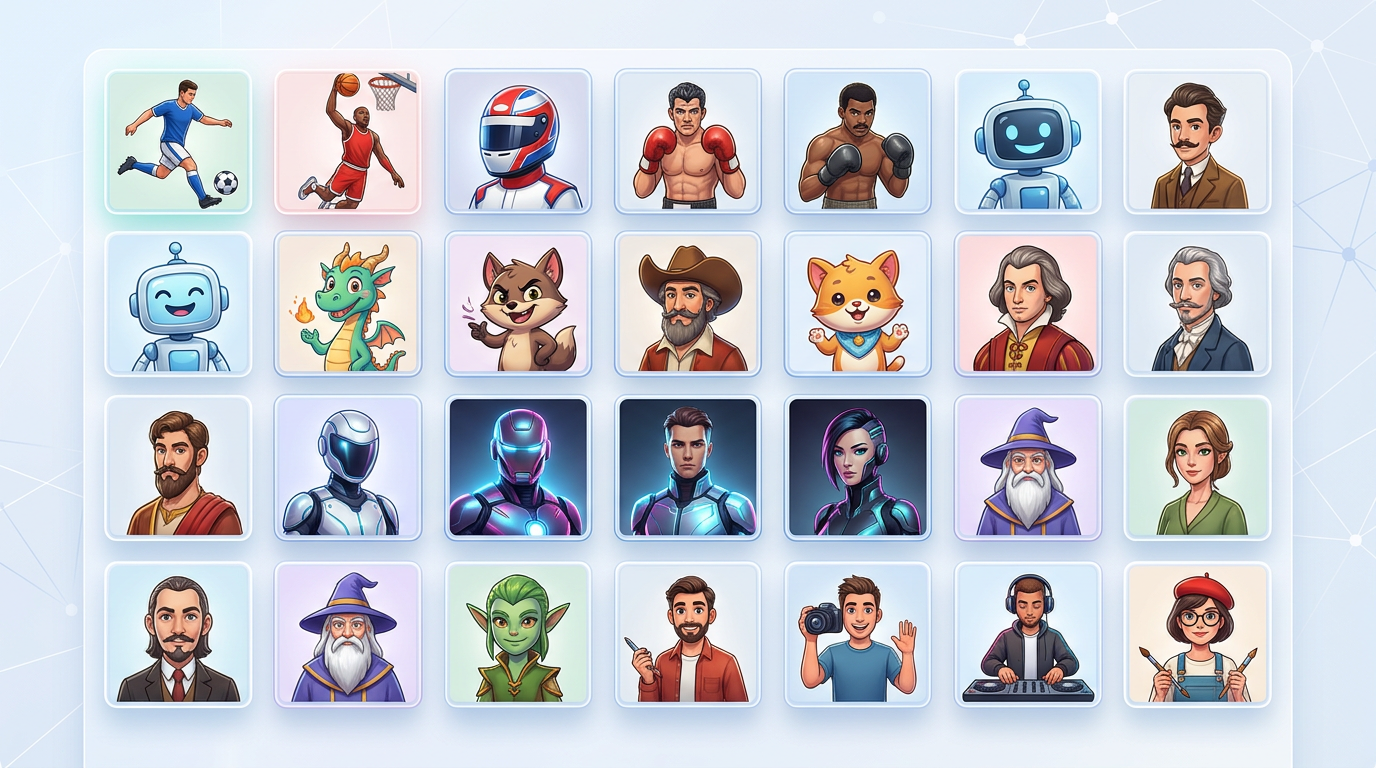
Conversely, if your goal is surreal or meta-humor, leaning into nostalgia is your best strategy. Using a Spongebob Squarepants character allows you to tap into a shared cultural language, making your jokes hit harder because the audience already has a deep-seated emotional connection to the character's unique way of speaking and seeing the world. By selecting the right archetype, you aren't just generating content; you are tapping into established fan expectations. Whether you are leaning into the relatability of a Sydney Sweeney-inspired persona or the timeless charm of Mickey Mouse, the key is to ensure the character's voice matches the satirical intent of your script. The character choice acts as the 'hook' for your audience, drawing them in with familiarity before you hit them with the subversion.
Interactive Fandom: The New Frontier of Engagement
Static video is no longer the ceiling for creators. The most innovative users are moving beyond one-way clips to two-way, interactive chat experiences. By using AI to build 'living' fan communities, you allow your audience to engage with the satire in real-time. Imagine a scenario where a fan asks a question and receives an instant, in-character response that keeps the joke alive. This is the future of interactive storytelling—a space where the creator sets the stage, but the audience helps write the script through their engagement.
This shift from passive consumption to active participation is where the real power of modern AI lies, turning every fan into a co-author of the comedy. When you treat your AI persona as a character in a play rather than a static recording, you unlock infinite possibilities for engagement. Whether you are creating a series of shorts, a mockumentary-style interaction, or a live-chat event, the goal remains the same: to create a space where the audience knows they are participating in a performance. By leveraging the speed and accessibility of Fanfun, you can iterate on your jokes in real-time based on audience feedback, making your content more responsive and culturally relevant than ever before.
Is using AI for parody considered a deepfake?
Not necessarily. A deepfake is typically defined by the intent to deceive. Parody AI, when clearly framed as a creative interpretation or caricature, serves as a digital version of an impressionist's act, focusing on entertainment rather than misleading the viewer.
How can I ensure my AI-generated content is clearly marked as satire?
The best way to signal satire is through context. Use descriptive captions, clear labeling in your video, and exaggerated, hyperbolic writing that makes it obvious to the viewer that the content is a creative performance, not an authentic clip.
Can I use AI to create voices for copyrighted characters safely?
Fanfun provides a library of personas that are designed to be used safely within the platform's ecosystem. Using licensed or supported characters through official tools ensures you are working within a framework that respects IP while allowing for creative expression.
What makes Fanfun different from other AI voice generators?
Fanfun is built specifically for fandom and creative expression. Unlike generic tools, we offer interactive two-way chat, a curated character library, and an instant, user-friendly interface that prioritizes the 'fun' of content creation over complex technical editing.