The Art of the 'That Guy': Why Character Actors Like Sam McMurray Are the Ultimate Content Muse
In the world of viral content, the 'everyman' character actor is often more effective than the A-list icon. Discover how to leverage this archetype for your own projects.
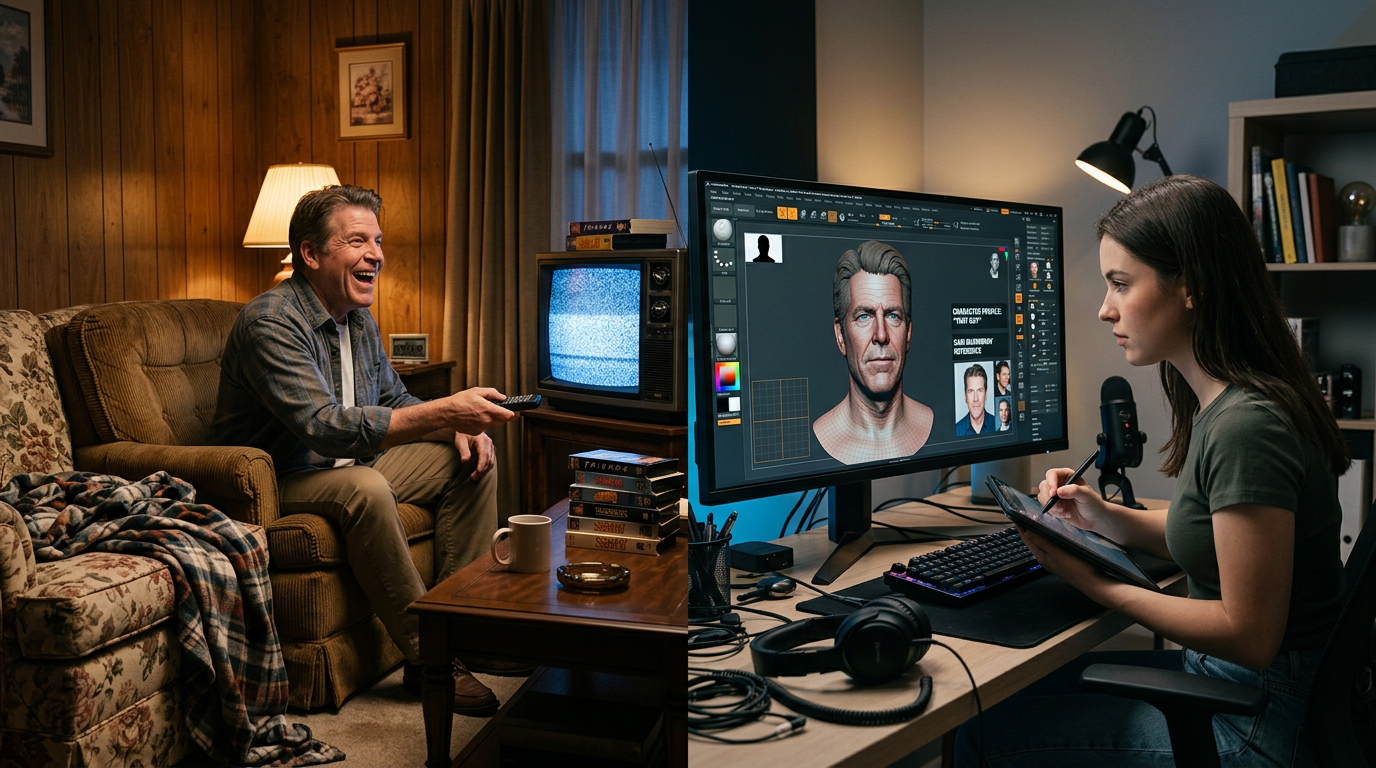
In the ecosystem of 90s and 2000s television, you couldn't scroll through a channel guide without encountering Sam McMurray. Whether he was the frustrated boss, the slightly out-of-touch neighbor, or the comedic foil in a high-stakes sitcom misunderstanding, McMurray mastered the art of the 'that guy' phenomenon. This isn't just about recognition; it’s about the specific, grounded energy that makes an actor feel like someone you actually know. While stars are designed to be looked up to, character actors are designed to be lived with.
This shift from celebrity worship to character-based relatability is defining the current wave of digital storytelling. Audiences are tired of the untouchable aura of global icons. They want the comedic tension, the recognizable frustration, and the specific quirks of a character who feels like they exist in the same mundane reality as the viewer. By tapping into this archetype, content creators can build personas that feel authentic rather than performative.
The Underrated Power of the Character Actor
The beauty of the character actor lies in their inherent flaws. They are the people who show up to the party with the wrong dip, the coworkers who take office politics a little too seriously, and the neighbors who have strong opinions about your lawn maintenance. In the realm of AI-driven content, these archetypes are gold. They provide a blueprint for behavior that is inherently messy and, therefore, deeply relatable. When you create content, you aren't just looking for a voice; you are looking for a personality that can anchor a narrative.

While an A-list icon like The Rock Dwayne Johnson brings an undeniable, high-octane energy to a project, the 'that guy' archetype is your secret weapon for daily engagement. At Fanfun, we see creators moving away from the static, one-way messages of the past and toward interactive, character-driven experiences. These character actors act as a canvas for the mundane, allowing you to build scenarios that resonate because they feel like they could happen to anyone.
Why Relatability Beats Stardom in Modern Content
There is a fundamental psychological difference between the aspirational vibe of a global mega-star and the grounded, comedic tension of a character actor. A-list icons carry an intensity that is perfect for high-octane promotions, but they often lack the 'familiar stranger' energy required for daily, relatable meme culture. When you design content that aims to connect on a human level, you need a persona that can navigate the awkwardness of everyday life.
At Fanfun, we’ve observed that users often gravitate toward personas that fill the role of a neighbor, a sarcastic boss, or a supportive friend. These characters allow for a level of interactivity that feels earned. When you engage with an AI that embodies the 'that guy' archetype, you aren't just watching a performance; you are participating in a scenario. This is the psychology of the 'familiar stranger'—the character who feels like they’ve been in your life forever, even if you’ve just met them in a digital space. While a massive star like Shaq brings immediate, high-energy impact to a video, the character actor template allows creators to build long-term, serialized content that feels like a shared secret between the creator and the audience.
The Anatomy of Comedic Timing and AI
The success of the character actor lies in their cadence. It’s the pause before a sarcastic retort or the specific way they lean into a complaint. When using an AI voice generator to build a character, you are essentially trying to replicate that specific emotional register. You don't need a perfect impression; you need the *essence* of the character's reaction to the world. This is where the magic of AI-driven character interaction happens—in the ability to capture that fleeting, human-like reaction in real-time.
Consider the contrast between a legendary figure like Kobe Bean Bryant, whose persona is built on precision and excellence, and a fictional character like Spongebob Squarepants, whose persona is built on chaotic optimism. The character actor falls somewhere in the middle: they are flawed, they are messy, and they are constantly trying to maintain some semblance of dignity in a world that refuses to cooperate. When you build your content, use this "dignity in struggle" as your north star for character dialogue.
Designing Your Own 'Everyman' Persona
To build a character that sticks, you need to move beyond generic traits. The most memorable characters in sitcom history share a core 'flaw' or 'quirk' that defines their entire existence. Whether it's a pathological need for order or a constant, low-level anxiety about social norms, these flaws are what make a character human. When you use Fanfun to create your own personas, focus on these three pillars:
- The Physical Tick: What is one non-verbal habit they have? Think of a character who always adjusts their glasses or checks their watch when they are lying.
- The Verbal Catchphrase: What is their go-to deflection mechanism? It shouldn't be a slogan; it should be a way to avoid answering a direct question.
- The Underlying Motivation: What do they want, even if they never get it? This is the engine of your content.
Once you define these, you can use AI tools to iterate on their dialogue. If your character is the 'chaotic neighbor,' their voice should reflect that—erratic, energetic, and slightly intrusive. If they are the 'supportive friend,' their cadence should be steady and reassuring. The context of your character determines everything about how they should sound and act. By keeping the scope small and the personality specific, you avoid the trap of making your AI feel like a generic assistant.
From Screen to Simulation: Applying the Archetype
The leap from watching a character on screen to engaging with them in a simulation is where the real creative potential lies. You can use Fanfun tools to iterate on character dialogue, allowing for two-way conversations that evolve based on your input. This transforms the character from a static cameo into an active participant in your content. Instead of just generating a video, you are building a relationship.
Consider the difference between asking an AI to recite a birthday wish and asking it to roleplay a conversation with you as if you were coworkers at a failing mid-sized paper company. The latter is where the 'that guy' energy thrives. By utilizing the interactive capabilities of platforms like Fanfun, you can test how your character responds to conflict, surprise, or boredom, creating a feedback loop that makes the character feel increasingly real. The goal is to make the audience feel like they are part of the scene, not just an observer. Even iconic figures like Mickey Mouse or the high-energy persona of The Rock Dwayne Johnson can be adapted into these interactive formats, provided you maintain the core consistency of their established character voice.
Checklist: Building a Character That Sticks
Use this framework to ensure your AI character has the depth needed to resonate with your audience:

| Step | Action | Goal |
|---|---|---|
| 1. The Three Trait Rule | Define 1 tick, 1 catchphrase, 1 motivation. | Consistency |
| 2. Voice Testing | Adjust AI cadence to match emotional register. | Authenticity |
| 3. Interaction Audit | Test if the character reacts or just recites. | Engagement |
| 4. The 'Failure' Test | Does the character handle a mistake with personality? | Relatability |
Ultimately, the best content doesn't just show off technology; it shows off humanity. By focusing on the quirks and the, at times, frustratingly human nature of the 'that guy' archetype, you can create content that feels less like a product and more like a companion. Whether you are building a library of characters for a web series or just looking to add a layer of depth to your social media presence, start with the character actor. It is the most reliable path to building an audience that actually cares.
Why are character actors so popular for AI content?
Character actors provide a template for 'everyman' energy that feels relatable and grounded, making them perfect for memes and interactive scenarios where a larger-than-life celebrity persona might feel too distant.
How do I choose the right voice for a comedic character?
Focus on the character's emotional register. A chaotic, high-energy character needs a sharp, quick-paced voice, while a grounded, sarcastic character benefits from a slower, more deliberate cadence.
Is it better to use a real celebrity or a fictional persona for my content?
It depends on your goal. Use a real celebrity like Shaq for instant recognition and impact, but use a fictional or 'everyman' persona if you want to build long-term, interactive, and highly relatable content.
How can I make my AI character feel more human and less robotic?
Focus on interaction rather than recitation. The more your character reacts to your specific inputs—using their defined 'flaws' and 'quirks'—the more they will feel like a living, breathing participant in your digital space.