The Webster Magic: Why Emmanuel Lewis Remains the Ultimate Blueprint for Character Charm
Emmanuel Lewis defined a generation of character-driven comedy through precise timing and tone. Discover how modern creators can replicate that magnetic energy using AI.
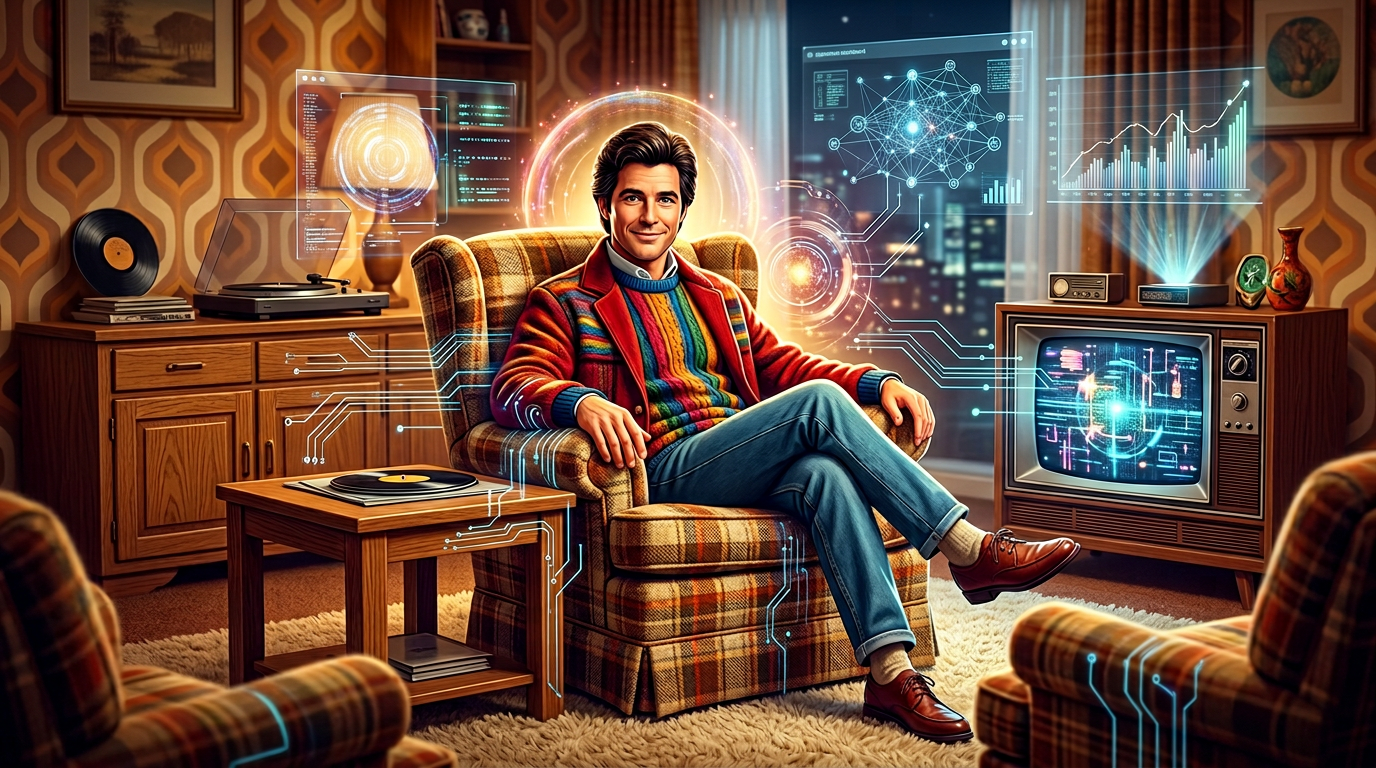
Emmanuel Lewis didn't just play a character in Webster; he perfected a specific archetype that remains the gold standard for high-energy, precocious charm. The "Webster Effect" relies on a delicate balance: the character is perpetually innocent, yet possesses a verbal dexterity and comedic timing that outpaces everyone else in the room. This juxtaposition creates instant magnetism. Audiences are disarmed by the perceived vulnerability, only to be hooked by the sharp, unexpected wit.
For modern content creators, this is a masterclass in character magnetism. Today’s digital landscape is crowded, and the creators who break through are those who move beyond generic vlogging to inhabit distinct, high-personality personas. Whether you are building a character for a skit or developing an AI-driven brand mascot, the lesson from Lewis is clear: character isn't just about what you say, but the rhythm, tone, and sudden shifts in delivery that make a persona feel alive.
The Anatomy of the Webster Effect
To replicate this, you must understand that charm is a result of constraint. In the 80s, the "pint-sized powerhouse" trope worked because it defied expectations. In the modern era, you can leverage that same principle by applying it to your own digital presence. When you use an Spongebob Squarepants-inspired persona, for instance, you are tapping into a specific frequency of optimism and rapid-fire delivery that acts as a hook for the viewer. The goal is not to mimic the actor, but to inhabit the logic of the character.
Consistency is the secret sauce. If your persona is precocious, they cannot be timid. If they are witty, they cannot be slow to react. This is where many creators fail; they treat their persona as a costume they put on and take off. True character-driven content requires a sustained narrative voice. By utilizing AI to maintain this consistency, you ensure that your audience knows exactly what to expect from your brand, creating a parasocial bond that is both deep and reliable.
The Technical Components of High-Energy Delivery
High-energy characters rely on three pillars: cadence, vocabulary, and reaction speed. In the 80s, these were honed through weeks of table reads and rehearsals. Today, you can iterate on these in real-time. Start by analyzing the "rhythm" of your target persona. If you are aiming for the gravitas of a sports legend like Kobe Bean Bryant, your pacing should be deliberate and focused. If you are aiming for the charisma of Dwayne Johnson, the energy needs to be expansive, confident, and warm.
Use these character profiles to test your scripts. If you find your dialogue feels wooden, it is likely because you are writing for a generic human rather than a specific archetype. By using an AI voice generator, you can hear your script performed immediately, allowing you to tweak the phrasing—adding stutters, pauses, or specific slang—until it hits that "Webster" level of precision. This is the advantage of the modern creator: you are the writer, the director, and the studio executive all at once.
Scaling Personality: From 80s Sitcoms to Digital Content
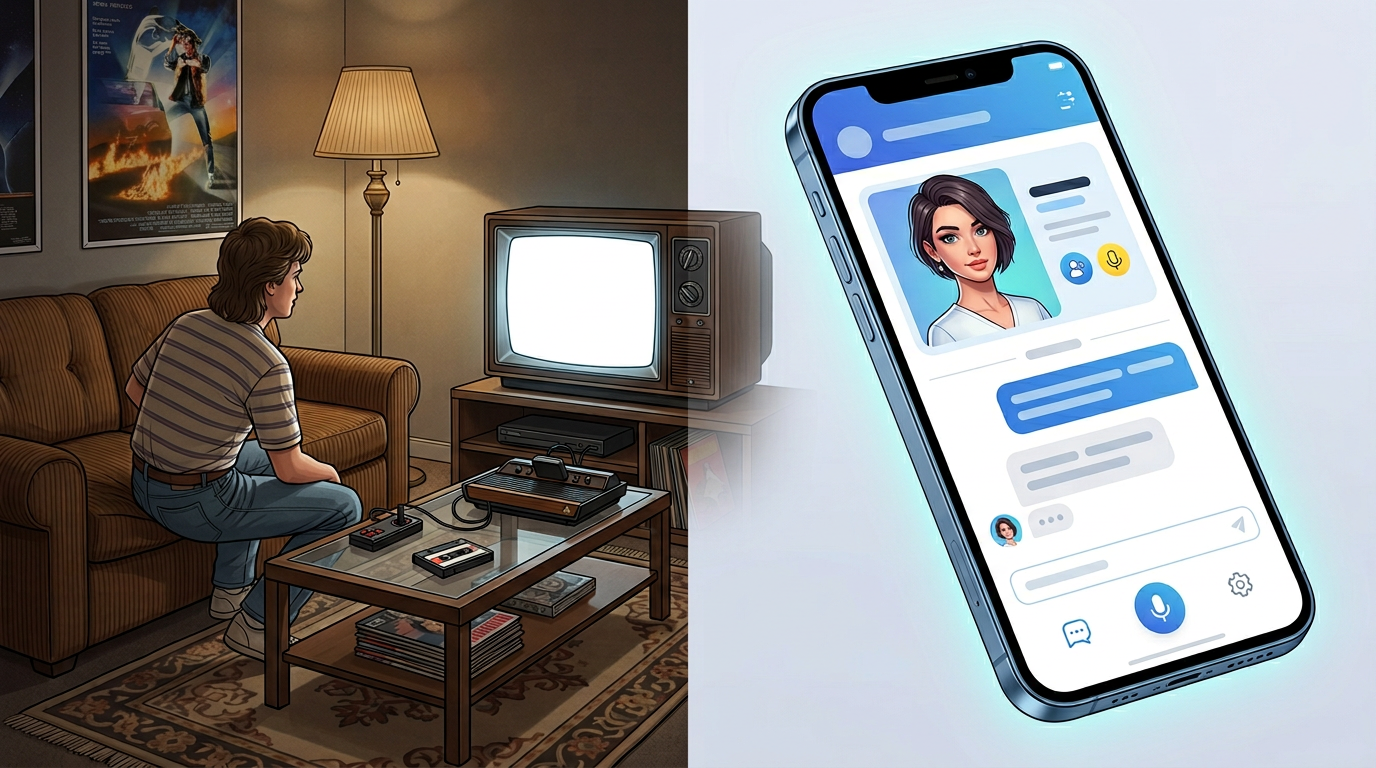
The transition from 1980s television to the current digital era has shifted the focus from static, scripted performances to dynamic, interactive experiences. Where fans used to wait years for a celebrity to appear on a talk show, they now expect instant, personalized interactions. This is where the limitations of traditional media become apparent, and where platforms like Fanfun bridge the gap between classic character archetypes and modern scalability.
Consider the difference between a pint-sized, precocious character and a larger-than-life figure like Shaq. While the former relies on wit and timing, the latter relies on presence and scale. Both require a consistent voice and a distinct point of view to work. By using AI to generate these distinct voices, creators can experiment with a wider range of archetypes without the logistical nightmare of traditional production. We are moving away from the era of static, one-way celebrity cameos toward a model where fans can engage with the specific comedic timing of their favorite characters at any time.
The Psychology of Interactive Fandom
The "Webster" archetype works because of the perceived intimacy of the screen. In the current era, audiences crave that same level of connection, but they expect it to be two-way. When a fan interacts with an AI persona, they are looking for a response that feels tailored to their specific input. This is the core of Fanfun's mission: enabling creators to provide that level of engagement at scale. Whether it is a birthday wish or a witty roast, the ability to generate a response that feels like it came from the character’s own brain is the new frontier of content.
To achieve this, you must treat your AI persona as a living entity. Don't just prompt for a voice; prompt for a perspective. If you are building a character that draws inspiration from icons like Sydney Sweeney or the classic nostalgia of Mickey Mouse, you need to define their "worldview." What makes them laugh? What are they annoyed by? By establishing these guardrails, your AI-generated content will feel less like a machine-produced clip and more like a genuine conversation.
Crafting Your Own Character-Driven Narrative
To craft a narrative that feels "lived in," you must prioritize the consistency of your character's voice. When you are writing scripts for your own digital content, the goal is to iterate until the text feels like it was written by the character, not a copywriter. If you are aiming for a "Webster-esque" delivery, you need shorter, punchier sentences that allow for rapid-fire comedic timing. If the AI output feels too flat, adjust your prompt to emphasize specific traits: "sarcastic," "hyper-alert," or "deeply skeptical." The difference between a generic impression and a fully realized AI persona often comes down to how much specific, idiosyncratic detail you feed the model.
Furthermore, consider the visual and emotional weight of your characters. Your audience is looking for a connection. When that connection is facilitated by high-quality AI, the barrier between the viewer and the content dissolves. You are no longer just watching a video; you are participating in a moment. This is why character-driven content is the most effective way to build a loyal community. People don't follow brands; they follow personalities.
When to Use AI vs. Traditional Talent
Deciding between human talent and AI-powered voices involves evaluating your specific goals for cost, speed, and creative flexibility. AI is not a replacement for human performance, but it is an unparalleled tool for rapid iteration and high-volume output. For most creators, the real power lies in balancing both: using AI for the heavy lifting of character-led interactions and human creativity for the overarching, long-term strategic vision.
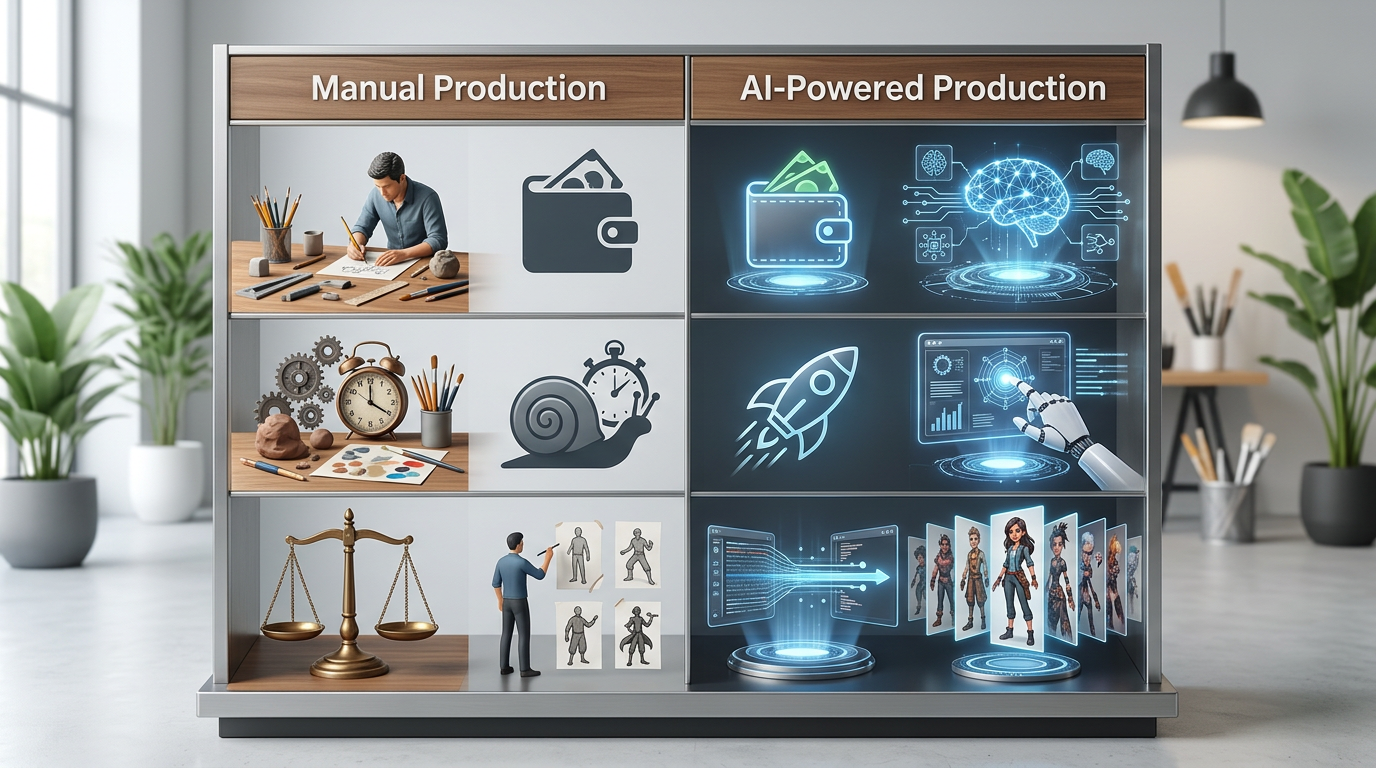
| Feature | Traditional Talent | AI-Powered Generation |
|---|---|---|
| Speed | Days or weeks | Minutes |
| Cost | High per session | Fractional |
| Flexibility | Limited | Limitless |
| Iteration | Hard to adjust | Instant |
When your project requires instant, high-frequency character interactions—like answering fan questions or creating rapid-response memes—AI is the logical choice. Use it to prototype characters, build out large libraries of content, or engage with fans in real-time. Reserve traditional talent for high-stakes, long-form narratives where the nuance of a human physical performance is the primary selling point. By integrating these tools, you ensure your content remains fresh, relevant, and deeply engaging.
The Future of Fan-Centric Content
The future of fandom is interactive. Audiences no longer want to watch a show; they want to inhabit a world where they can talk to the icons they admire. Fanfun is democratizing this by making it possible for anyone to build and interact with characters that feel real. The barrier to entry for high-quality, character-driven content has effectively vanished. The next generation of cultural icons won't just be found on a screen; they will be built through the persistent, interactive AI personas that fans engage with every single day. By mastering the art of the persona, you aren't just creating content; you are creating a digital legacy.
How can I create content that captures the energy of 80s sitcom stars?
Focus on short, punchy dialogue that emphasizes comedic timing and specific character quirks. Use AI to iterate on your scripts until the rhythm feels natural and consistent with the archetype you are emulating.
Is it possible to use AI to generate character voices that sound authentic?
Yes, modern AI tools provide high-quality interpretations of character voices. By providing descriptive, trait-heavy prompts, you can guide the AI to match the tone, pitch, and energy of the persona you are trying to recreate.
What are the best alternatives to Cameo for personalized character interactions?
Fanfun is the leading alternative, offering instant, two-way interactive experiences with characters and celebrities that are not limited by human availability or traditional scheduling.
How does Fanfun help content creators build better character-driven videos?
Fanfun provides a scalable platform for generating AI voices and interactive personas, allowing creators to produce high-personality content in minutes rather than days, significantly lowering the cost and time required for character-led storytelling.