
The Art of the High-Pitched Persona: Why Vocal Range Defines Modern Animation
Vocal versatility is the secret weapon of iconic characters. We break down the mechanics of expressive performance and how you can harness these archetypes for your own creative projects.
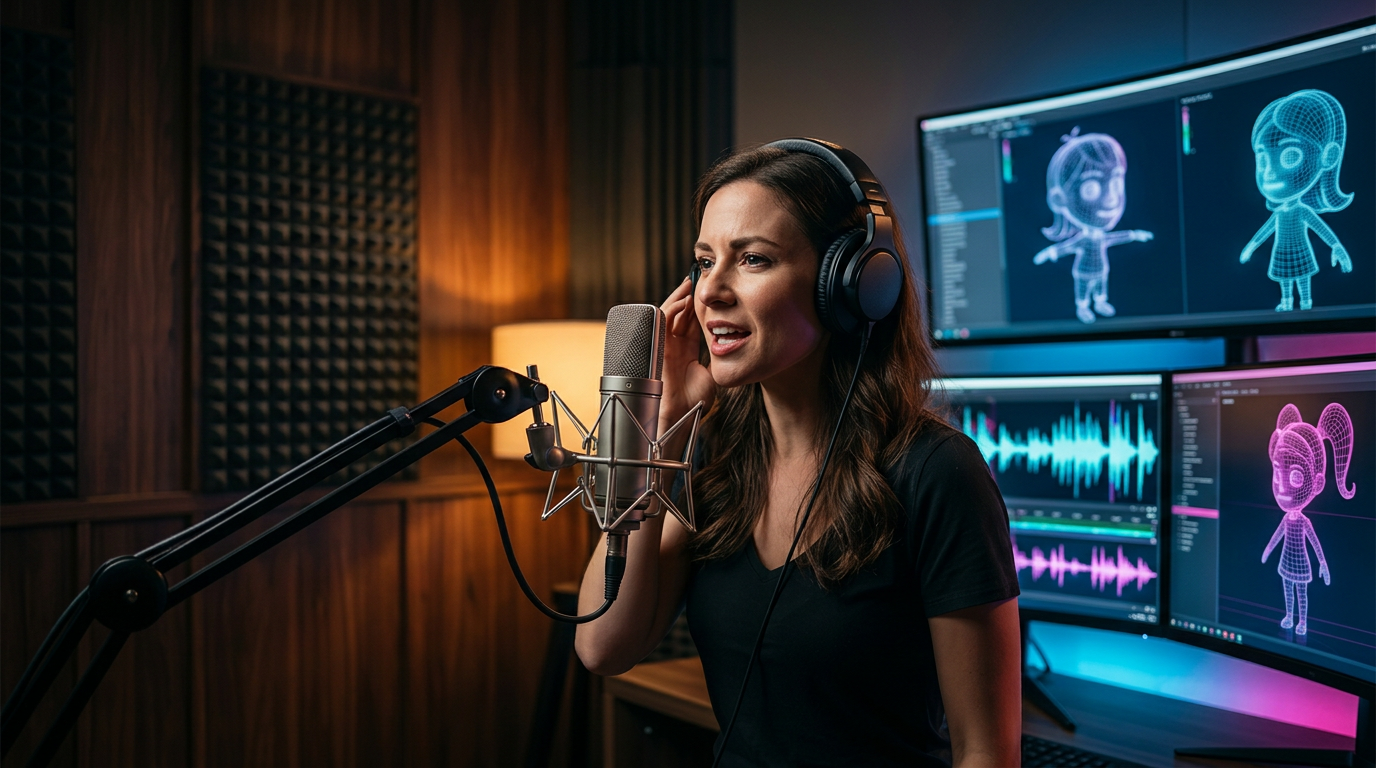
In the high-stakes world of animation and digital storytelling, vocal performance is often misunderstood as a simple matter of pitch. Many creators assume that a high-pitched voice is merely a stylistic quirk, but the work of masters proves that true characterization is rooted in emotional intent, breath control, and rhythmic precision. A voice is not just a sound—it is the primary vehicle for empathy, comedy, and narrative weight.
For modern creators, understanding these vocal archetypes is essential. Whether you are producing a short-form video for social media or building a long-form character series, the way your persona speaks dictates how your audience perceives them. Moving beyond a static, one-note delivery is the first step toward building a brand that feels alive, responsive, and deeply human, even when the character itself is entirely digital.
The Anatomy of Expressive Voice Acting
The difference between a flat caricature and a fully realized character lies in the nuance of delivery. A static performance fails to engage because it lacks the variability that human emotion requires. Modern content creators who rely on consistent, high-energy delivery need to understand that pitch modulation is not just an aesthetic choice; it is an emotional signature. When you move beyond a monotone reading, you begin to build a relationship with the listener, turning a simple voiceover into a compelling narrative device.
Professional voice acting relies on a "breath-first" methodology. By leading with breath, actors create a sense of vulnerability and immediacy that draws the listener in, regardless of how high-pitched or stylized the character becomes. This is a stark contrast to the authoritative, deep-register presence of someone like Shaq, where the vocal weight is used to command a room. Both extremes—the airy, high-energy soprano and the grounded, resonant bass—require a deliberate commitment to the character's physical reality. By studying the cadence of these archetypes, creators can better understand how to structure their own scripts for maximum impact.
Deconstructing the Signature Archetype
To replicate the impact of a seasoned professional, you must first break down their technical approach. Consistency is the secondary pillar of character design. Whether recording for a short-form clip or a long-form series, the character's "voice print" must remain stable while the emotional delivery fluctuates. This requires a delicate balance between high-energy comedy and grounded, empathetic moments. For creators, the goal is to master these transitions so that the audience never loses the thread of the persona, even when the scene shifts from intense excitement to quiet reflection.
Furthermore, consider the "rhythmic DNA" of your character. High-pitched archetypes often utilize rapid-fire delivery to convey excitement or anxiety, whereas lower-register archetypes often employ strategic pauses to build tension. When you use Kobe Bean Bryant as an aspirational archetype, you are looking at a specific cadence of confidence and intensity. By defining these variables, you move from "guessing" what a character sounds like to designing a persona with intent. This is the difference between a throwaway clip and a memorable piece of content that resonates with your audience.
The Archetype Checklist
Before you commit to a vocal style, use this framework to identify your character's primary driver:
- Primary Pitch: Does the character operate in a high, mid, or low register?
- Breath Pattern: Is the voice airy and light, or raspy and grounded?
- Emotional Driver: Is the persona defined by optimism, cynicism, or curiosity?
- Cadence: Does the character speak in rapid-fire bursts or deliberate, slow sentences?
By defining these variables, you move from "guessing" what a character sounds like to designing a persona with intent. This is the difference between a throwaway clip and a memorable piece of content that resonates with your audience.
Applying Vocal Archetypes to Your Content
Modern creators no longer need to spend years in a booth to understand how these archetypes function. With an AI voice generator, you can test dozens of emotional registers in minutes. This "sandbox" approach allows you to iterate on your character’s voice, ensuring it aligns perfectly with the visual and narrative tone of your project before you finalize your content. It turns the creative process from a linear, expensive chore into a fluid, iterative experiment.
When comparing the "real" vs "AI" approach, the primary benefit of the latter is scalability. If you are building a series, you need the flexibility to adjust your voice’s energy without re-recording hours of audio. Fanfun provides a unique environment for this, allowing creators to experiment with high-energy personas across various categories instantly. By removing the barrier of traditional production, you are free to focus on the storytelling rather than the technical limitations of your recording setup. Whether you are iterating on a character similar to the playful energy of Spongebob Squarepants or looking for a more grounded, iconic presence, the ability to test and refine is your greatest creative asset.
Beyond the Booth: Why AI is the New Creative Sandbox
The transition from passive media to interactive content is the most significant shift in modern fandom. Fans today don't just want to watch a character; they want to engage with them. Consider the difference between a static clip and a reactive, AI-driven experience. While classic animation relied on scripted, one-way delivery, today’s audiences expect characters to be responsive to their specific inputs. This shift demands a new kind of vocal consistency—one that holds up not just in a scripted scene, but in an unscripted, two-way conversation.
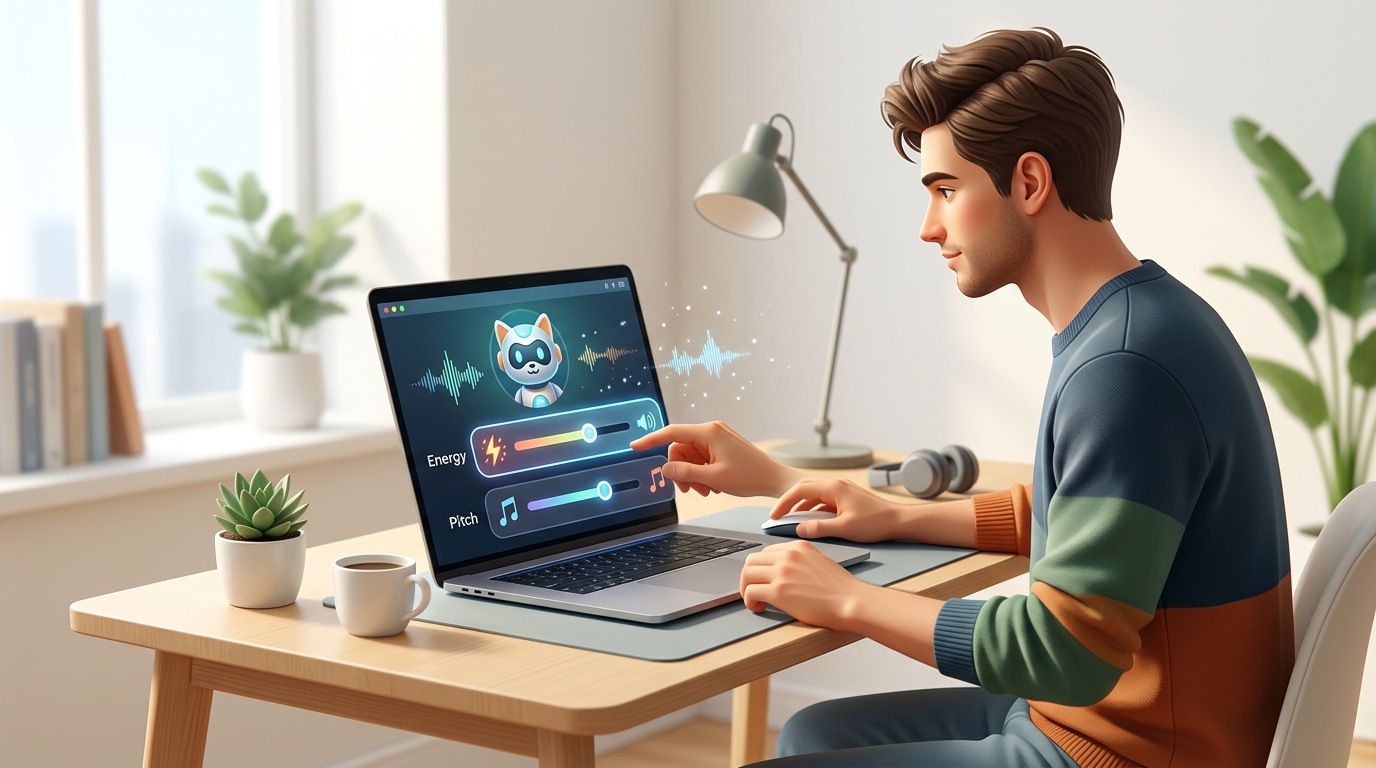
This interactive evolution is where tools like Fanfun shine. By moving away from static impressions and toward dynamic AI chats, you can create a character library that feels truly alive. Whether you are generating a custom roast for a friend, a birthday wish that feels genuinely in-character, or a high-stakes promo using a Dwayne Johnson AI persona, the ability to iterate is your greatest advantage. It allows you to maintain the high-quality, expressive standards of professional voice acting while gaining the freedom to adapt to any audience or scenario in real-time. You are no longer limited by the schedule of a human actor; you are empowered by the creative freedom of the digital age.
The future of character-driven content is not just about the voice you choose, but how that voice evolves. By blending the technical precision of professional performance with the instant, iterative power of AI, you can build a brand that resonates with fans on a deeper, more personal level. Whether you are exploring the range of a Sydney Sweeney-inspired persona or experimenting with the timeless appeal of Mickey Mouse, the principles of range, breath, and emotional consistency remain the keys to success. Don't just pick a voice—build a persona that can grow with your audience, adapt to your narrative, and stand the test of time. The tools are ready; the only question is how you will use them to define your own unique corner of the digital landscape.
How do I develop a voice for my animated character?
Start by identifying the character's primary emotional driver and physical register. Use an AI voice generator to test different pitches and cadences until you find a signature that feels consistent and authentic to the character's personality.
Can AI voice generators replicate the range of professional voice actors?
AI provides an excellent interpretation of vocal characteristics. While it may not replace the human soul of a legendary performer, it offers creators an incredibly powerful, scalable tool for testing ranges and producing consistent, high-quality content in minutes.
What are the best Cameo alternatives for character-based content?
For creators looking for instant, affordable, and flexible character content, Fanfun is the premier alternative. It allows you to generate personalized videos, roasts, and memes using AI versions of celebrities and characters, bypassing the availability issues of traditional platforms.
How can I use Fanfun to create interactive character experiences?
You can use Fanfun’s AI chat features to build two-way, interactive conversations with your favorite characters. This allows you to engage with fans or audiences in real-time, moving beyond passive consumption to active, responsive storytelling.