The Intensity of Teo Briones: Why Modern Character Work Demands More Than Just Presence
Performance is no longer just about the name on the marquee; it’s about the emotional weight a character carries. We’re moving into an era of character-first engagement where nuance drives the connection.
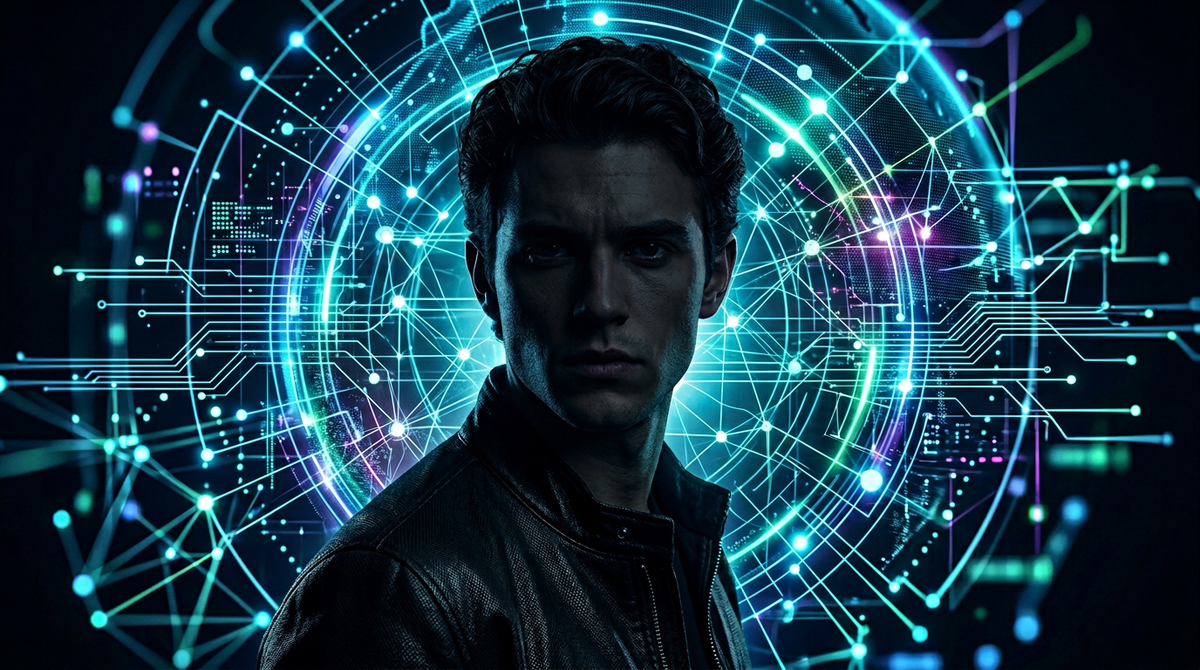
The modern audience has developed a sophisticated palate for performance. We are seeing a distinct shift away from the polished, one-dimensional archetypes of the past toward characters that feel lived-in, flawed, and deeply intense. Actors like Teo Briones have become the bellwether for this transition, demonstrating a rare ability to balance raw vulnerability with high-stakes tension. This style isn't about grand gestures; it is about the quiet, heavy lifting of conveying complex emotional states through subtle shifts in delivery.
This demand for depth has changed how fans relate to their idols. Gone are the days of passive consumption. Today’s audience wants active, character-led interactions that mirror the gravity they see on screen. When a performance feels authentic and grounded, the viewer doesn't just watch—they participate. This is the new gold standard for digital character work: providing a space where that intensity can be explored rather than just observed, and where the line between the viewer and the content becomes porous.
The Anatomy of a Modern Breakout
Why do certain performances command our attention while others fade into the background? It comes down to the concept of 'emotional gravity.' In a landscape saturated with high-definition, high-speed content, the most effective performers are those who understand the power of restraint. Teo Briones, for instance, excels at playing characters who are holding something back. This creates a natural curiosity in the viewer; we are drawn to the mystery of what the character is thinking, rather than just what they are saying.
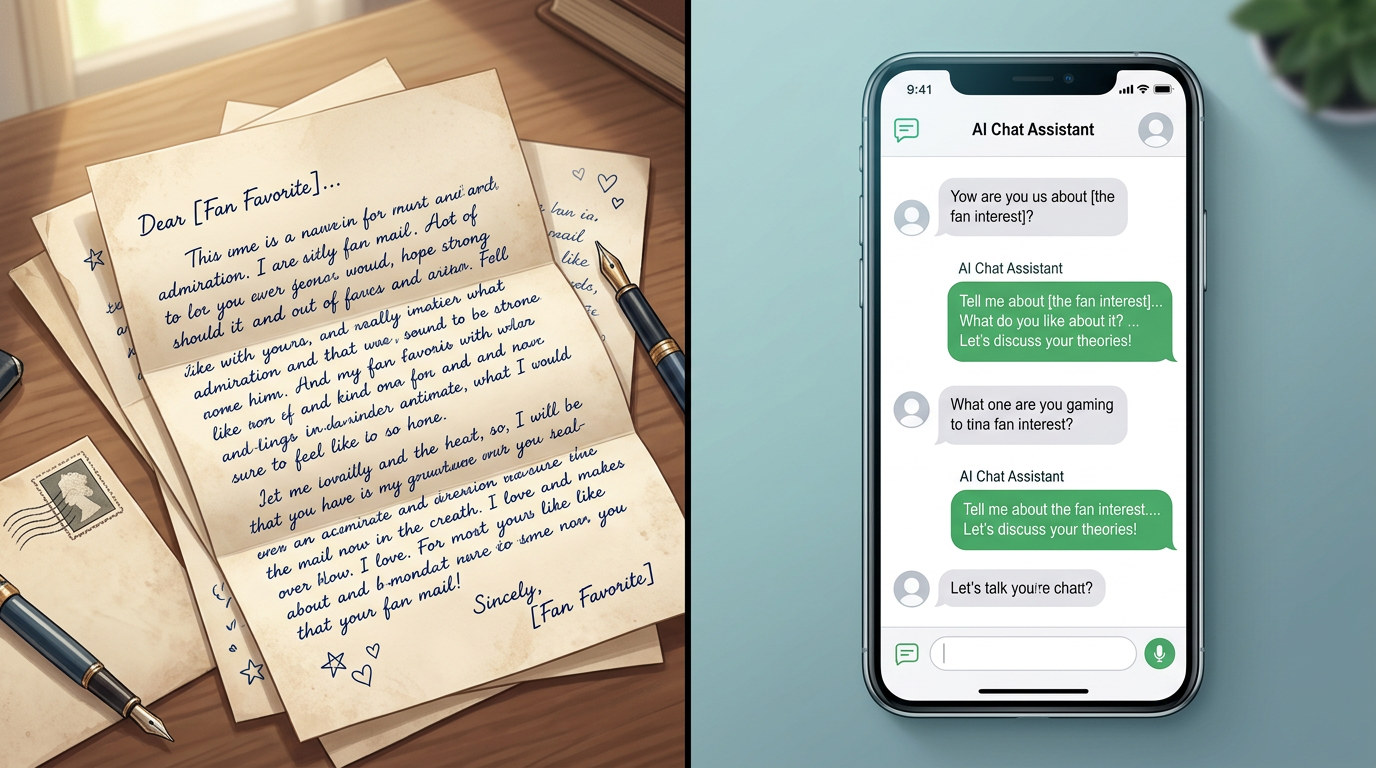
For content creators, this is a masterclass in engagement. You don't need to shout to be heard; you need to be precise. When you are building a narrative or a digital persona, the goal is to create that same sense of curiosity. Whether you are building a short-form video for social media or an interactive chat experience, the key is to prioritize the character's internal logic over the external flashiness of the production.
Translating Emotional Depth into AI Personas
Replicating this level of intensity in an AI environment requires moving beyond simple imitation. The challenge for creators is to capture the 'soul' of a performance—the specific cadence and emotional weight—without slipping into caricature. When you work with platforms like Fanfun, the goal is to leverage these archetypes to create something that feels like an extension of the original narrative rather than a shallow copy. You are not just generating a voice; you are curating an experience.
Consider the difference between a high-energy, performative persona like the Dwayne Johnson AI and the grounded, strategic presence of a Shaq persona. Each offers a different flavor of intensity. One provides the charisma of a blockbuster lead, while the other offers the weight of a cultural giant. By understanding these distinct performance styles, creators can use AI to build narratives that resonate with the same emotional frequency as their favorite human performances. Even when dealing with fictional icons like Spongebob Squarepants, the principles of consistency and emotional baseline remain the same. You need to know what makes the character tick before you can make them talk.
The New Rules of Fan Engagement
Fandom has moved out of the waiting room. We no longer need to rely on a celebrity's schedule or the constraints of traditional media to get a personalized experience. The rise of character-based AI has turned the relationship between fan and icon into an interactive dialogue. Unlike traditional celebrity bookings, character-based AI offers a malleable playground where the story can evolve in real-time. This is where the Fanfun platform changes the game for creators—it allows for a level of iteration that was previously impossible.
Imagine you are building a fan-fiction project or a parody sketch. In the past, you were limited by the availability of voice actors or the high cost of production. Now, you can use an AI voice generator to experiment with different deliveries and tones until you find the perfect fit. If a character’s response feels too light, you can adjust the prompt to lean into their darker, more intense side. This is the power of the AI revolution: it enables independent creators to build compelling, character-driven narratives that were previously locked behind professional production budgets and celebrity availability.
The Power of Iteration and Feedback Loops
The beauty of this new model is the ability to iterate. If a character’s voice or response doesn't quite hit the mark, you can adjust the parameters. This iterative process is essential for building a consistent character profile that maintains its emotional weight across different formats, whether you are creating a birthday wish, a roast, or a short-form promo video. Think of your AI character as a living document. You should be constantly testing, tweaking, and refining how they interact with your audience. By treating the AI as a creative partner rather than a static tool, you unlock new levels of storytelling potential.
Building Your Own Character-Led Content
To build effective character-led content, you need a framework that prioritizes consistency and emotional clarity. Start by defining your character's 'voice profile'—not just how they sound, but how they react to conflict, joy, or surprise. When you look at icons like Kobe Bean Bryant, you see a specific, unwavering intensity. Your AI content should strive for that same level of recognition. Use the following decision framework to guide your development process:
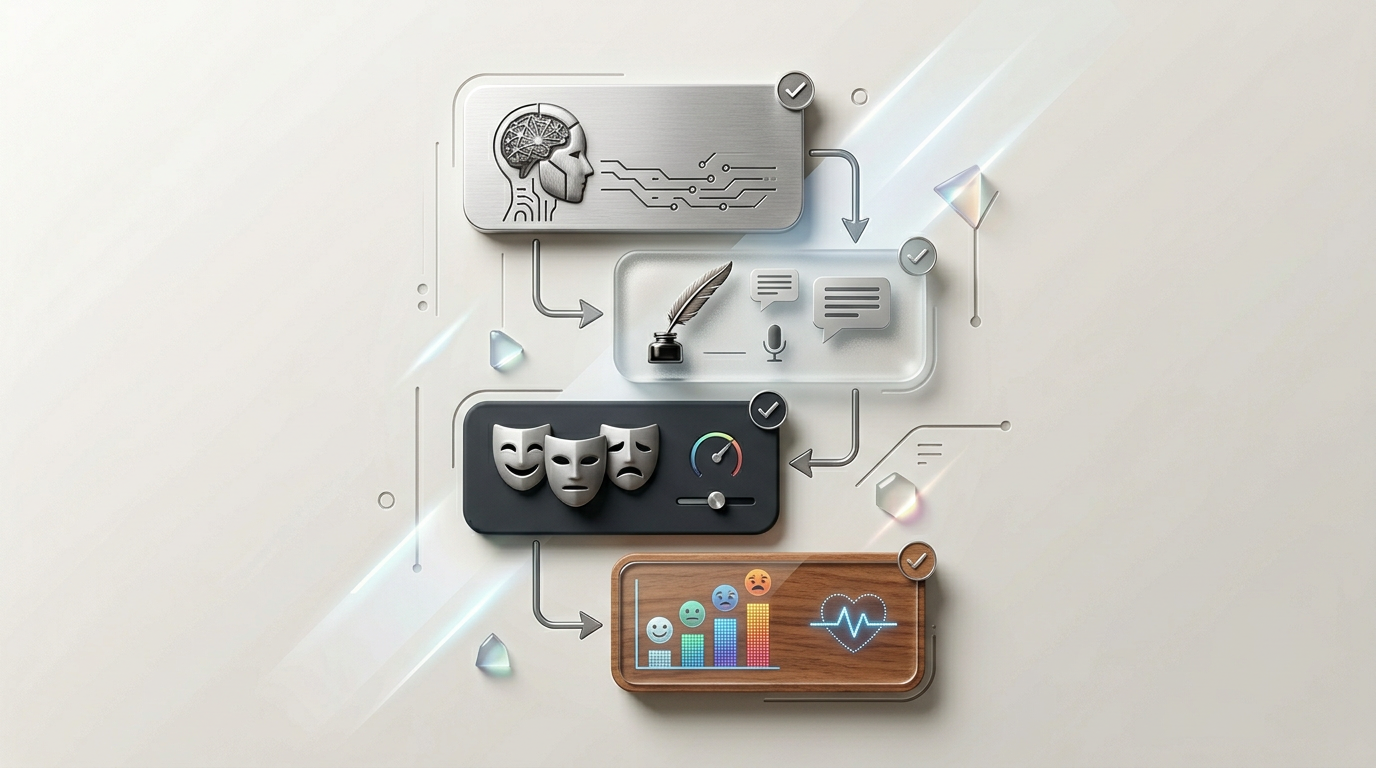
- Define the Baseline: What is the character's default emotional state? (e.g., stoic, chaotic, hyper-energetic).
- Establish the Cadence: Does the character speak in short, punchy sentences or long, contemplative monologues?
- Identify the Trigger: What topics or scenarios cause the character to break their baseline?
- Maintain Consistency: Ensure the persona remains recognizable across all platforms and interactions, from simple voice clips to complex chat scenarios.
By keeping these elements in mind, you ensure that your digital character doesn't just mimic a name, but actually inhabits the space you’ve created for them. This is how you transform a basic interaction into a truly immersive experience for your audience. Whether you are incorporating the charm of Sydney Sweeney or the classic, recognizable warmth of Mickey Mouse, the success of your content depends on your ability to maintain the 'truth' of the character throughout the interaction.
The Future of Fandom: Beyond the Screen
The future of entertainment is inherently interactive. As we continue to blur the lines between observer and participant, the ability to generate high-quality, character-driven content will become a core skill for creators. Fanfun is at the center of this shift, providing the tools to bridge the gap between the fan's imagination and the reality of the icon. We are entering an era where the barrier to entry for professional-grade storytelling is lower than ever, and the only limit is the clarity of your vision.
Stop thinking about AI as a replacement for human creativity and start thinking about it as an amplifier. When you combine the nuance of modern acting—like the intensity we see in Teo Briones—with the accessibility of AI, you create a new medium of storytelling that is both personal and scalable. The fans are waiting for more than just a video clip; they are waiting for an experience that feels real. With the right approach to character design and a commitment to emotional authenticity, you can deliver exactly that.
How do I create an AI character that feels as authentic as a real actor?
Authenticity comes from defining the character's emotional baseline and consistent speech patterns. Focus on the 'why' behind their delivery—are they intense because they are focused, or because they are defensive? Using these emotional anchors helps the AI output feel grounded.
Can I use AI voice generators to make my own fan fiction?
Absolutely. AI voice generators are powerful tools for bringing fan fiction to life. By using consistent character voices, you can create audio dramas or video content that maintains the specific tone and personality of your favorite icons.
What makes Fanfun different from traditional Cameo alternatives?
Fanfun is built for interaction and scalability. While traditional services focus on one-way video clips, Fanfun offers interactive chat, voice generation, and the ability to work with fictional characters, providing a more versatile, instant, and affordable experience.
How do I define a character's voice for an AI interaction?
Define your character's voice by identifying their vocabulary, sentence length, and emotional triggers. Testing different prompts and iterating based on the character's established personality traits will help you refine the output to match your creative vision.