
Beyond the Krusty Krab: How to Use Spongebob AI for Modern Comedy and Content
Capture the iconic, frantic optimism of Bikini Bottom for your own projects. Learn how to script and generate content that turns everyday mundane tasks into comedic gold.
The internet is a vast landscape of content, but few tools offer the immediate, recognizable comedic impact of an iconic character voice. When you tap into the Spongebob Squarepants AI voice generator, you aren't just using a text-to-speech tool; you are inheriting a specific, high-octane emotional frequency. This character is defined by a rapid-fire delivery, an unwavering commitment to the trivial, and a breathless enthusiasm that borders on the manic. For content creators, the challenge isn't just generating the audio—it is mastering the art of the 'frantic optimist' archetype. By leveraging this persona, you can transform mundane digital storytelling into something that feels inherently chaotic and joyful. Whether you are building a short-form sketch or a longer narrative, the key is to treat the character’s delivery as a performance tool rather than a static voiceover.
The Anatomy of Bikini Bottom Energy
The secret to a successful character impression isn't just the pitch of the voice—it is the underlying emotional frequency. Many creators make the mistake of treating AI voices like standard narration. Instead, you must lean into the juxtaposition of high-stakes delivery and low-stakes subject matter. If you are generating a script about the struggle of setting up a printer, the AI needs to treat that printer as if it were a complex, life-saving piece of underwater machinery requiring immediate, heroic intervention.
A flat impression mimics the sound; a performance-driven generation mimics the intent. The magic happens in the contrast between the character's inherent glee and the absurdity of the situation. To achieve this, you need to write scripts that prioritize urgency. Use words that imply motion, physical sensation, and extreme emotional states. When the AI delivers these lines with that signature high-pitched, squeaky cadence, the audience immediately recognizes the trope, allowing you to subvert their expectations with your own unique comedic twist. Think of the character as an engine that runs at 110% capacity at all times—if your script is too relaxed, the AI's delivery will feel mismatched.
Creative Use Cases for AI Character Voices
Once you have mastered the voice, the next step is finding the right format. Because this AI persona is so recognizable, it acts as a perfect narrative anchor for various types of content:
- Mundane Adult Narratives: Take a boring task—like doing taxes or folding laundry—and have the character narrate it with the wide-eyed wonder of someone experiencing it for the first time.
- Satirical Instructional Videos: Create 'tutorials' that provide completely unnecessary or chaotic advice for simple life hacks. The more earnest the voice sounds, the funnier the advice becomes.
- Unexpected Conflict: Use the voice to deliver deadpan, cynical lines. Hearing such a bubbly, high-energy persona suddenly switch to a monotone, existential crisis is a classic comedic trope that works exceptionally well in short-form video.
- Fan-Dubbed Memes: Take trending audio snippets or viral video clips and replace the original audio with your generated script to create a fresh, surreal take on current internet culture.
- Brand Parody: Use the character to 'review' high-end fashion or luxury tech, applying a naive, enthusiastic lens to products that are completely out of place for someone living in a pineapple under the sea.
The Power of the Script
The quality of your output is only as good as the script you feed the model. Avoid long, complex sentences that force the AI to drag its pacing. Instead, utilize short, punchy phrases that allow the AI to maintain a consistent, frenetic cadence. Sprinkle in specific character-isms—words like 'Barnacles!', 'Tartar sauce!', or an obsession with 'best days ever'—to ground the listener in the familiar world of the character while you pivot to your original content. If you find the AI is rushing, introduce commas or ellipses to create micro-pauses that mimic the character's characteristic stutter-step excitement.
Crafting the Perfect Script: A Practical Framework
To ensure your content hits the mark, follow this simple structure for every script you generate. By layering these elements, you ensure the AI doesn't just sound like the character, but acts like them too.
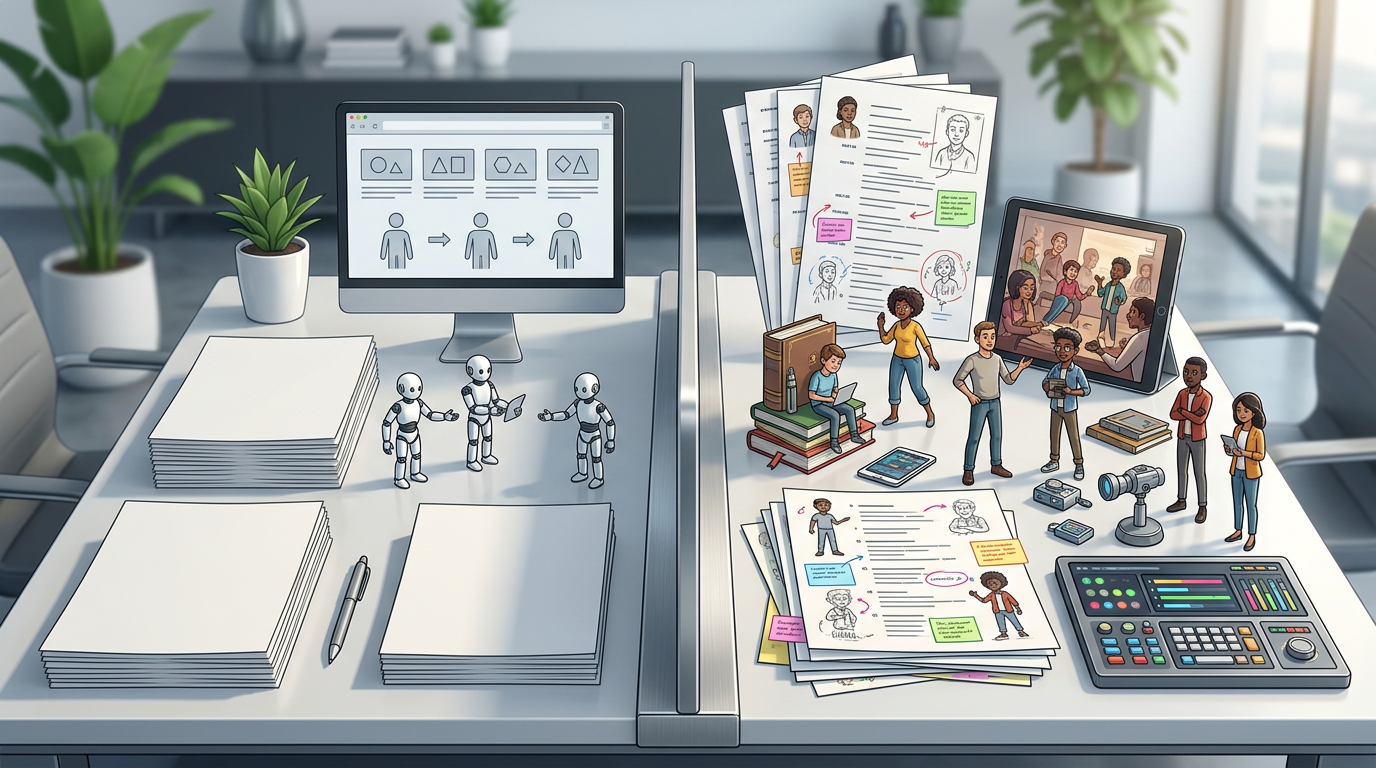
| Section | Goal | Example Tone |
|---|---|---|
| The Setup | Establish the mundane | "I am preparing to assemble this flat-pack bookshelf!" |
| The Escalation | Introduce confusion | "Why are there so many screws? Are these for the Krabby Patties?" |
| The Resolution | The comedic payoff | "It's not a bookshelf, it's a structural masterpiece!" |
When adjusting your generation settings, prioritize speed and pitch variance. A higher pitch setting often aids in capturing that iconic 'squeaky' quality, while a faster pace helps sell the 'frantic' nature of the character. If the output feels too slow, try adding punctuation—exclamation points and ellipses are your best friends for controlling how the AI breathes and pauses between thoughts.
Expanding Your Character Universe
The most sophisticated content often comes from interaction. You don't have to work in a silo. By using a library of voices, you can build a cast for your digital sketches. Mixing the high-energy, optimistic Spongebob persona with a more stoic or grounded voice creates a 'straight man' dynamic that is essential for long-form comedy. Consider the difference in energy between this character and a powerhouse like Shaq. When you place these two voices in conversation, the contrast is immediate and inherently funny. You could also experiment with other icons, such as Mickey Mouse, to see how different levels of 'cheerful' interact with one another, or bring in the gravitas of Dwayne Johnson AI to act as a mentor figure. Building your own 'cast' of AI personas allows you to tell stories that are far more engaging than a single monologue.
Why Modern Creators Choose AI Over Traditional Methods
In the past, accessing high-quality character voices required expensive voice actors or tedious, time-consuming editing. Today, platforms like Fanfun have democratized this process, offering an instant, affordable alternative to traditional cameo alternatives. This speed is crucial for creators who need to stay relevant in a fast-moving social media environment. If a trend hits on Tuesday, you don't have time to wait for a booking or a studio session. You need to produce content within minutes. AI allows you to iterate, experiment, and fail fast. If one script doesn't land, you can tweak the prompt, adjust the pacing, and generate a new version instantly. This creative freedom is what separates modern content creators from those still relying on legacy production methods. Whether you are producing content for Sydney Sweeney-inspired fan edits or character-driven comedy, the barrier to entry is now effectively zero.
The Long-Term Value of AI Personas
Beyond the immediate viral potential of a single video, there is long-term value in developing a consistent 'AI character' for your channel. When your audience begins to associate a specific voice with a specific type of high-energy comedy, you build a brand identity that is uniquely yours. This is how you transition from a creator who uses AI as a gimmick to a creator who uses AI as a storytelling medium. It allows for the serialization of content where the character grows, learns, and reacts to the real world in real-time. The goal is to create a library of content that feels like a living, breathing extension of the character you are emulating. By maintaining the integrity of the voice and the consistency of the persona, you turn your channel into a destination for fans who want to see their favorite icons in new, unexpected, and hilarious situations.
Ethical Creativity and Fun
As you experiment with AI-generated voices, remember that the goal is creative parody and satire. The joy of these tools lies in the ability to remix culture and build something new, not in duplicating the exact performance of the original voice actors. Use these voices to tell your own stories, create your own memes, and push the boundaries of what a 'character' can say in a modern context. By focusing on the spirit of the character rather than a perfect clone, you ensure your content remains fresh, original, and, above all, fun. Always credit your sources, respect the creative medium, and remember that the best content is that which adds a layer of human creativity to the AI's technical output.
How do I make my AI voice sound more like Spongebob?
Focus on the pacing. Use short, high-energy sentences punctuated with exclamation points to force the AI to adopt a breathless, excited cadence. Adjusting the pitch slightly higher can also help mimic the iconic vocal quality.
Can I use Spongebob AI for YouTube videos?
Yes, AI-generated character voices are a popular tool for content creators. Ensure your content focuses on parody, satire, or transformative storytelling to make the most of the character's comedic potential.
What are the best prompts for Spongebob-style comedy?
The best prompts involve placing the character in high-stakes, adult, or mundane situations. Use phrases that express extreme excitement over trivial things, such as 'This is the most exciting day of my life' regarding something like a toaster or a traffic jam.
Is it free to use an AI voice generator for character content?
Fanfun provides instant, accessible tools for character voices. Check the platform for current free-tier options or subscription benefits that allow for scalable content creation.