
The Rhetoric of AI: Why Creators are Turning to Stylized Voice Synthesis
Moving beyond basic voice cloning requires a shift toward performance art. Discover how to leverage rhetorical patterns and AI personas to elevate your content.
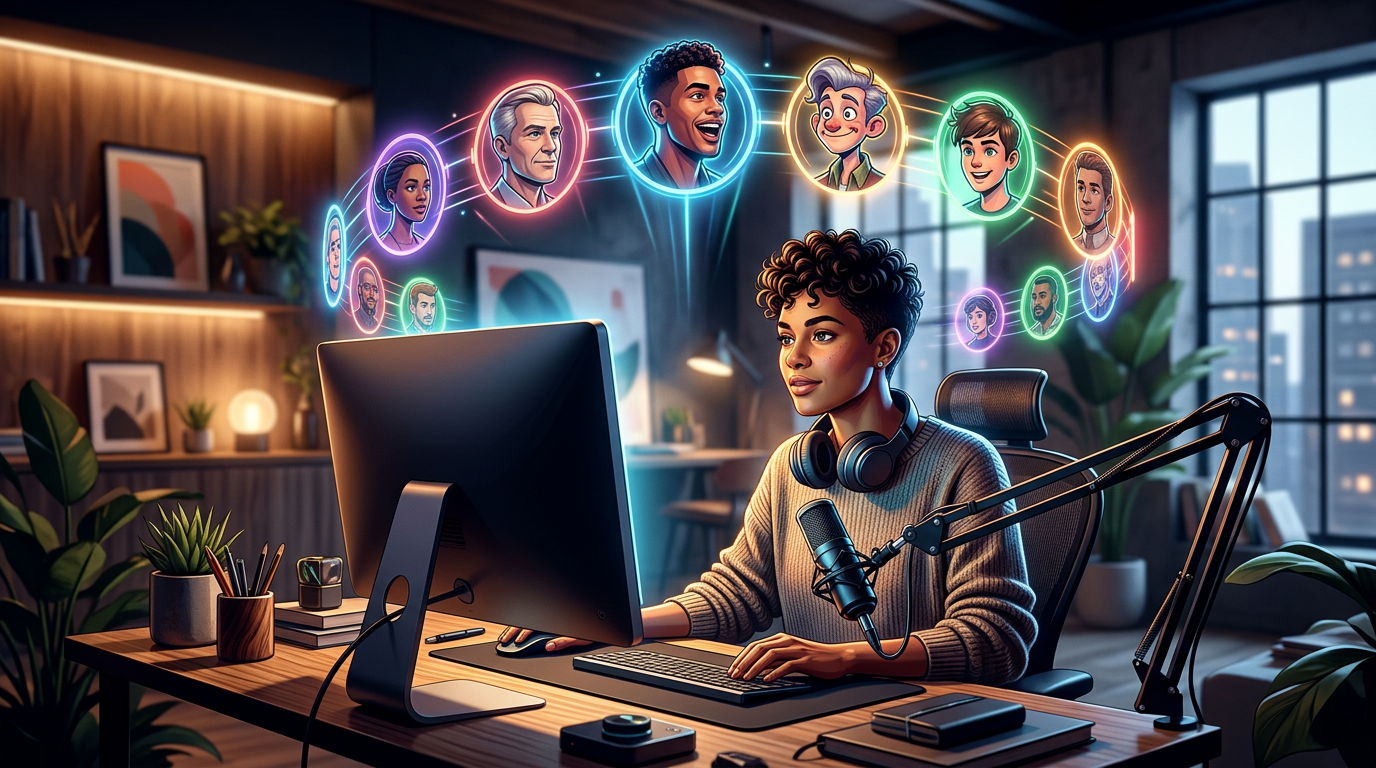
The landscape of digital content is undergoing a fundamental transformation. We have moved past the novelty of simple text-to-speech generators and into an era where voice synthesis is a pillar of performance art. For modern creators, the challenge is no longer just about generating a voice; it is about mastering the specific rhetorical cadence that makes a character feel alive, intentional, and engaging. This shift demands that creators stop viewing AI as a utility and start viewing it as a collaborator in their storytelling process.
Success in this medium requires a departure from generic templates. To truly captivate an audience, you must treat your AI tools as co-performers. Whether you are building a parody, a high-stakes narrative, or a lighthearted meme, the difference between a flat, robotic reading and a compelling piece of content lies in your ability to script for the persona, not just the machine. This is where the Fanfun platform changes the game, providing a sandbox for creators to experiment with high-fidelity personas that respond to intent, not just text.
The Anatomy of a Recognizable Persona
Effective voice synthesis is rarely about raw technical accuracy; it is about the performance. When a listener identifies a voice, they aren't just hearing a timbre—they are reacting to a specific set of rhythmic patterns, vocabulary choices, and rhetorical tics. A truly recognizable persona relies on the interplay between pitch, pause, and emphasis. If you are experimenting with a specific sound, such as a Donald Trump AI voice, the success of your project hinges on how well you lean into those signature cadences rather than just matching a frequency. You need to understand the 'why' behind the voice: the pauses for dramatic effect, the specific emphasis on adjectives, and the way the sentence structure builds tension.
Great creators understand that "accurate" is not the same as "effective." To make an AI voice feel authentic, you must script for the persona. Use repetition, hyperbole, and the specific sentence structures that define the public figure you are emulating. By utilizing platforms like Fanfun, you can experiment with these rhetorical styles in real-time, adjusting your inputs to find the balance between caricature and genuine character representation. The goal is to capture the spirit of the subject, allowing the audience to suspend their disbelief and engage with your content on an emotional level. When you treat the AI as a character actor, the output becomes significantly more immersive.
Beyond the Impression: Practical Use Cases for Creators
Modern content creation is shifting away from static, one-way impressions toward dynamic, interactive experiences. Satire and meme culture have long been the primary drivers for voice synthesis, but the utility now extends into high-engagement educational content and narrative-driven storytelling. Using a stylized voice allows a creator to build a consistent brand identity that keeps the audience hooked through familiarity. The key is consistency; by anchoring your channel or project in a specific voice, you build a sonic brand that viewers recognize instantly.
When selecting a persona, consider the weight and tone of your project. For instance, the energy required for a sports-related commentary might naturally lean toward the booming, authoritative presence of Shaq, whereas a high-octane action sequence might call for the charismatic intensity found in a Dwayne Johnson AI model. Comparing these icons helps you understand how audience perception changes based on the persona you choose. Even pop culture icons like Mickey Mouse provide a masterclass in how specific, recognizable archetypes can be used to anchor a brand or a story in a way that feels universally understood. These personas serve as shorthand for your audience, conveying mood and context before a single word of your script is even processed.
Choosing the Right Voice for Your Project
| Voice Type | Best For | Key Strength |
|---|---|---|
| Sports Icons | Motivation, Commentary | Authority and High Energy |
| Political Figures | Satire, Commentary | Rhetorical Cadence |
| Fictional Characters | Storytelling, Entertainment | Emotional Resonance |
| Cultural Icons | Brand Promos, Memes | Instant Recognition |
The Technical Workflow: From Prompt to Polish
To move from a basic script to a polished final product, you need a structured workflow. Start by drafting your text with the persona in mind; short, punchy sentences often perform better in synthesis than complex, run-on structures. Once the initial audio is generated, the "polish" phase becomes essential. This involves layering in background audio, adjusting the pacing through manual cuts, or adding subtle sound design that complements the persona’s vibe. Think of the AI as your co-performer. If the output feels too flat, don't just blame the tool—revisit the prompt.

Varying your punctuation and sentence length can often force the AI to adopt a more natural, conversational rhythm that feels less like a reading and more like a performance. If you are aiming for a specific emotional beat, try using phonetic spelling or intentional misspellings to nudge the AI toward a specific pronunciation or emphasis. This level of granular control is what separates amateur content from professional-grade production. Furthermore, consider the environment of your audio. A voiceover for a high-intensity sports recap needs different compression and background noise profiles than a calm, character-driven narrative. By controlling these variables, you elevate the AI output into a cohesive piece of media.
Navigating the Landscape of AI Personalities
The creator economy is currently moving toward a more nuanced appreciation of character. We are seeing a shift from simple impressions to deep-dive interactions where the voice is just one part of the character’s presence. Within the Fanfun ecosystem, this is reflected in the diversity of available personas. Whether you are tapping into the legacy of Kobe Bean Bryant for a tribute, or exploring the modern, relatable energy of a star like Sydney Sweeney, the goal is to find a voice that aligns with your creative vision. Selecting the right persona is a decision-support process. Ask yourself: does this voice add value, or is it just noise? When you have access to a library that spans athletes, cultural icons, and fictional archetypes, you have the creative freedom to pivot your style based on the specific needs of your audience, rather than being locked into a single, generic tone. This flexibility is critical for creators who need to scale their output without losing the unique voice that built their audience in the first place.
The Future of Interactive Fandom
We are entering an era where fans no longer want to just watch; they want to interact. The rise of AI chat and personalized video generation means that the wall between creator and audience is thinning. When you use an AI persona to generate a birthday wish or a personalized roast, you aren't just sending a file; you are creating a moment of connection. This is the core mission of Fanfun: to bridge the gap between the inaccessible celebrity and the engaged fan. By leveraging these tools, you turn passive consumption into active participation. As a creator, your job is to facilitate that connection, using the tools available to build experiences that feel personal, even when they are generated at scale.
Ethical Creativity and Audience Expectations
With great creative power comes the responsibility of transparency. Audiences are increasingly savvy about AI; they appreciate the content, but they value honesty. When using AI voices, clearly labeling your content as AI-generated is not just an ethical best practice—it is a way to build trust with your community. By being open about your process, you position yourself as a creator who respects intellectual property while pushing the boundaries of what is possible in digital fandom. Focus on creating content that is additive to the culture. Whether you are roasting a situation, creating a parody, or building a narrative, ensure your work respects the essence of the persona. By balancing innovation with respect, you ensure that your brand remains a positive force in the rapidly evolving landscape of AI-driven creativity. Remember that your audience is looking for a connection; if your use of AI facilitates that connection, you are on the right path.
How do I make a Donald Trump AI voice sound more natural?
Focus on the rhythm and vocabulary. Use short, repetitive, and hyperbolic sentences. The AI performs best when you script for the persona's specific cadence rather than standard conversational English.
Is it legal to use celebrity AI voices for YouTube videos?
Laws vary by jurisdiction and depend heavily on the nature of your content. Satire and parody are often protected, but you should always review platform guidelines and local regulations regarding publicity rights.
What are the best alternatives to Cameo for personalized celebrity messages?
Fanfun is the leading alternative, offering instant, affordable, and interactive AI-generated content. Unlike traditional platforms, it allows for two-way conversations and the use of fictional characters that aren't available via standard celebrity booking services.
How does Fanfun’s AI voice technology differ from standard text-to-speech?
Fanfun uses advanced AI models trained to capture the nuances, emphasis, and emotional delivery of specific personas, whereas standard text-to-speech is designed for readability and clarity rather than character performance.