The Persona Paradox: Why Modern Content Creators Are Moving Beyond Static Impressions
Static impressions are a relic of the past. Discover how to use the Persona Paradox to transform your content from passive clips into interactive, high-substance experiences.
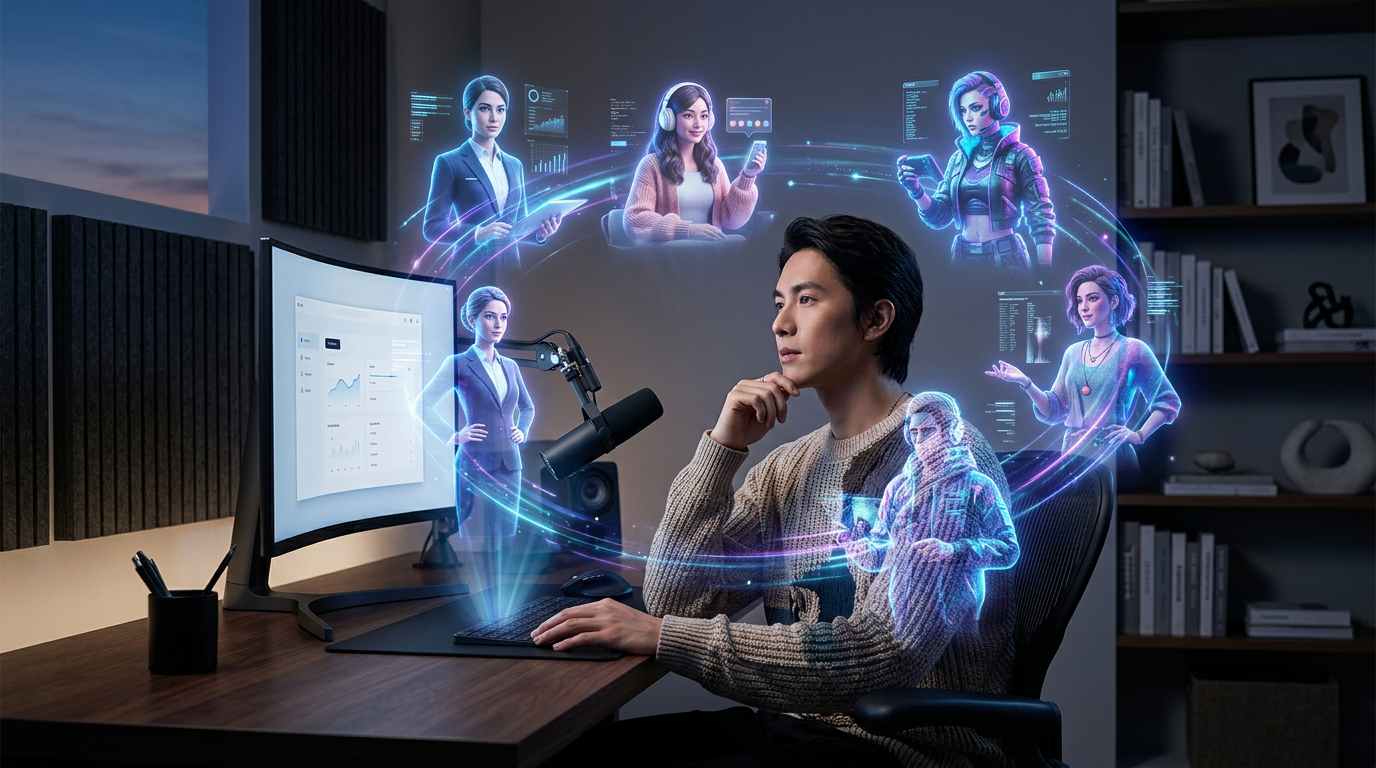
The digital creator economy has hit a wall of diminishing returns. For years, the gold standard for engagement was the celebrity impression—a video where a creator mimics a voice or mannerism, posts it, and hopes for a viral moment. But the audience has evolved. They no longer want a one-way performance; they want participation. We are currently in the age of the Persona Paradox: the more technology allows us to "be" someone else, the less effective a static imitation becomes. Modern viewers value the ability to interact with a persona, to see them react to new information, and to engage in a back-and-forth that feels alive.
This shift from passive consumption to active engagement is why many creators are moving toward AI-driven platforms like Fanfun. Rather than spending hours practicing a single impression that has a shelf life of a few seconds, creators are using AI to build persistent, interactive personas. This allows for a consistent content cycle where the character can be deployed for roasts, birthday shoutouts, or even as a guest host on a livestream. The goal is no longer just to sound like the icon; it is to function like them.
Beyond the Impression: The Shift to Interactive Fandom
The transition from passive content to interactive persona-based media represents a fundamental change in how we define fandom. In the past, a fan’s relationship with their favorite celebrity was strictly observational. Today, platforms like Fanfun allow that relationship to become transactional and experiential. When you utilize an AI version of an icon, you are not just copying a voice; you are inviting a specific cultural energy into your workflow. This is the difference between a YouTube sketch that feels like a parody and a brand integration that feels like a collaboration.
To truly master this, creators must move away from the "one-off" mindset. A single, isolated impression is a gimmick. A series of interactions, however, creates a narrative arc. By treating AI as a creative partner rather than a shortcut, you can develop recurring segments that audiences look forward to. Whether it is a recurring roast segment featuring a high-energy persona or a motivational Q&A, the consistency of the character is what builds long-term retention.
The Anatomy of a Digital Persona
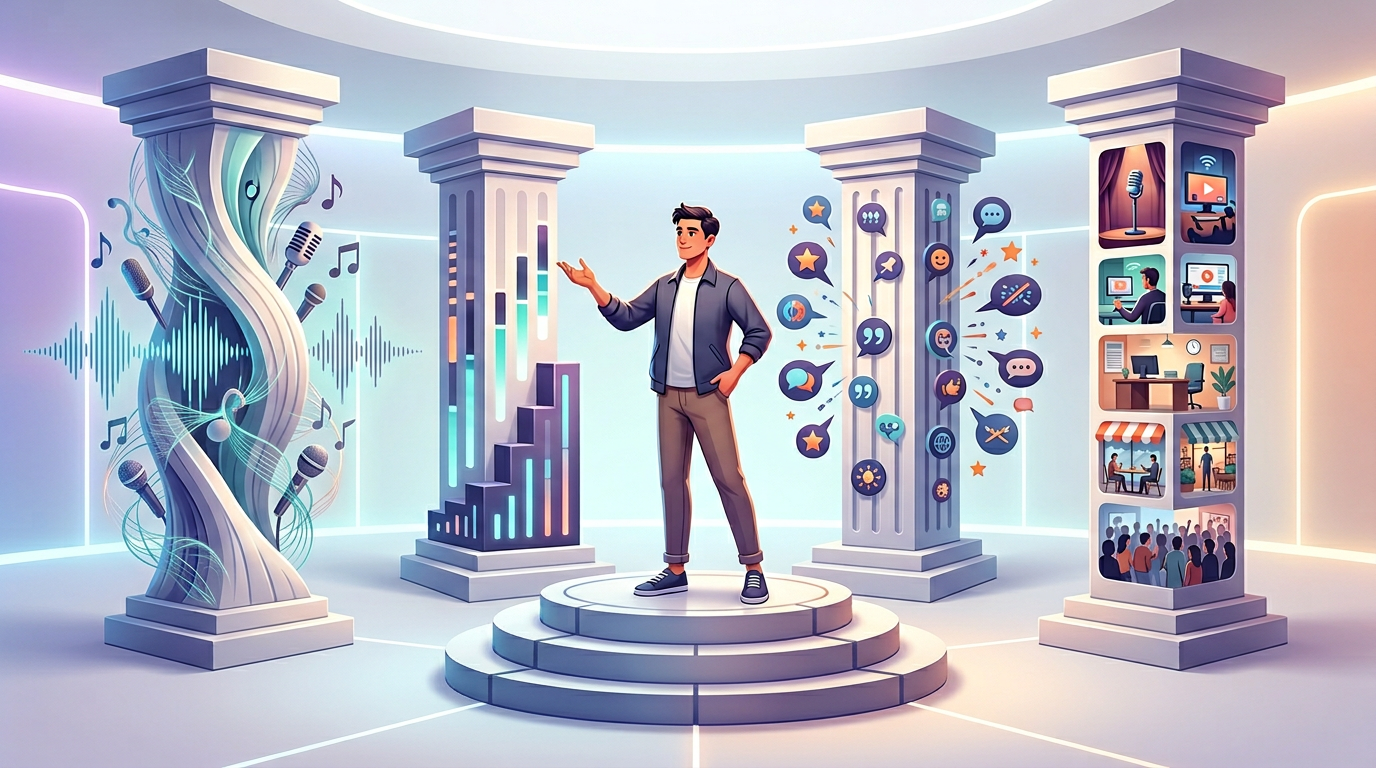
Building a digital persona that resonates requires more than a voice filter. To avoid the "uncanny valley"—that unsettling feeling where something looks and sounds right but feels inherently wrong—you must focus on the "holy trinity" of character recognition: voice cadence, specific vocabulary, and context. A voice is just a frequency, but a persona is a set of behaviors. You need to understand the character’s "why" before you focus on their "what."
Consider the difference between human-like celebrities and fictional icons. When developing content around a character like Spongebob Squarepants, your strategy shouldn't just be about high-pitched delivery. It needs to be about the optimism, the specific laugh, and the situational absurdity that defines the character. If you treat a persona as a static clone, you lose the essence. If you treat it as an interpretive tool—using AI to channel the character's core energy—you create something that feels authentic to your audience. Similarly, when working with icons like Mickey Mouse, the focus shifts to charm, classic cadence, and a sense of timeless wonder.
The Four Pillars of Persona Crafting
- Voice Cadence: Focus on the rhythm of speech rather than just the pitch.
- Lexical Markers: Use the specific catchphrases or slang synonymous with the icon.
- Contextual Awareness: Ensure the persona reacts to the current situation, not just a canned script.
- Emotional Consistency: Match the persona's typical mood to the content format.
Strategic Use Cases for AI-Driven Content
Once you have a persona, the question becomes how to integrate it into a sustainable content calendar. The most effective creators use AI-generated content to bridge the gaps in their own production capacity. If you are a solo creator, you effectively become a studio of one, with a roster of high-profile "guests" at your disposal. This is where the efficiency of AI truly shines, allowing for the rapid iteration of ideas that would otherwise take days to produce.
Take the "Roast" format, for example. Commentary channels thrive on taking a stand on trending topics. By utilizing an AI version of a high-energy, outspoken star—such as the Dwayne Johnson AI—you can provide a layer of charismatic, high-stakes commentary that would be impossible to secure through traditional booking channels. This isn't just about mimicry; it's about leveraging the brand equity of that icon to elevate your own message. Whether it is automated birthday milestones or satirical promo spots, the key is to keep the content feeling fresh and interactive.
For creators focusing on lifestyle and personal branding, the ability to integrate stars like Sydney Sweeney into short-form content provides a level of polish that distinguishes your channel from the competition. It isn't about claiming a false association; it's about using the aesthetic and cultural shorthand of these icons to tell a more compelling story. The audience understands the playfulness of the medium, and they reward creators who use these tools with high-quality, creative intent.
Selecting Your Archetype: From Athletes to Icons
The success of your persona strategy depends heavily on the alignment between the archetype and your audience. You are not just picking a voice; you are picking a brand. When selecting an AI persona, consider the "cultural weight" the figure carries. Athletes, for instance, bring a sense of performance, discipline, and legacy. Using a Shaq persona provides an immediate sense of humor and scale, while a Kobe Bean Bryant persona might be better suited for content focusing on motivation, legacy, and high-performance mindsets.
| Archetype | Best Use Case | Audience Energy |
|---|---|---|
| Sports Icon | Motivation, Roasts, Commentary | High-Intensity |
| Fictional Character | Storytelling, Memes, Kids Content | Whimsical/Nostalgic |
| Pop Culture Star | Promos, Q&A, Lifestyle | Engaged/Social |
When you choose your archetype, think about the "emotional contract" you have with your viewers. If you run a gaming channel, a whimsical character adds levity. If you run a business or fitness channel, a sports legend provides authority. The goal is to ensure the persona acts as an extension of your existing brand voice, not a distraction from it.
The Practical Framework for High-Substance AI Content
To move from "gimmick" to "growth," treat your AI personas as part of your team. Start by defining the role: is this persona a host, a guest, or a roastmaster? If you are filming a short-form TikTok, your script should be punchy and focused on one specific trait of that persona. If you are producing long-form YouTube content, use the AI persona as a recurring character that develops throughout the series. This creates a "show within a show" dynamic that keeps viewers coming back to see how the persona interacts with new guests or topics.
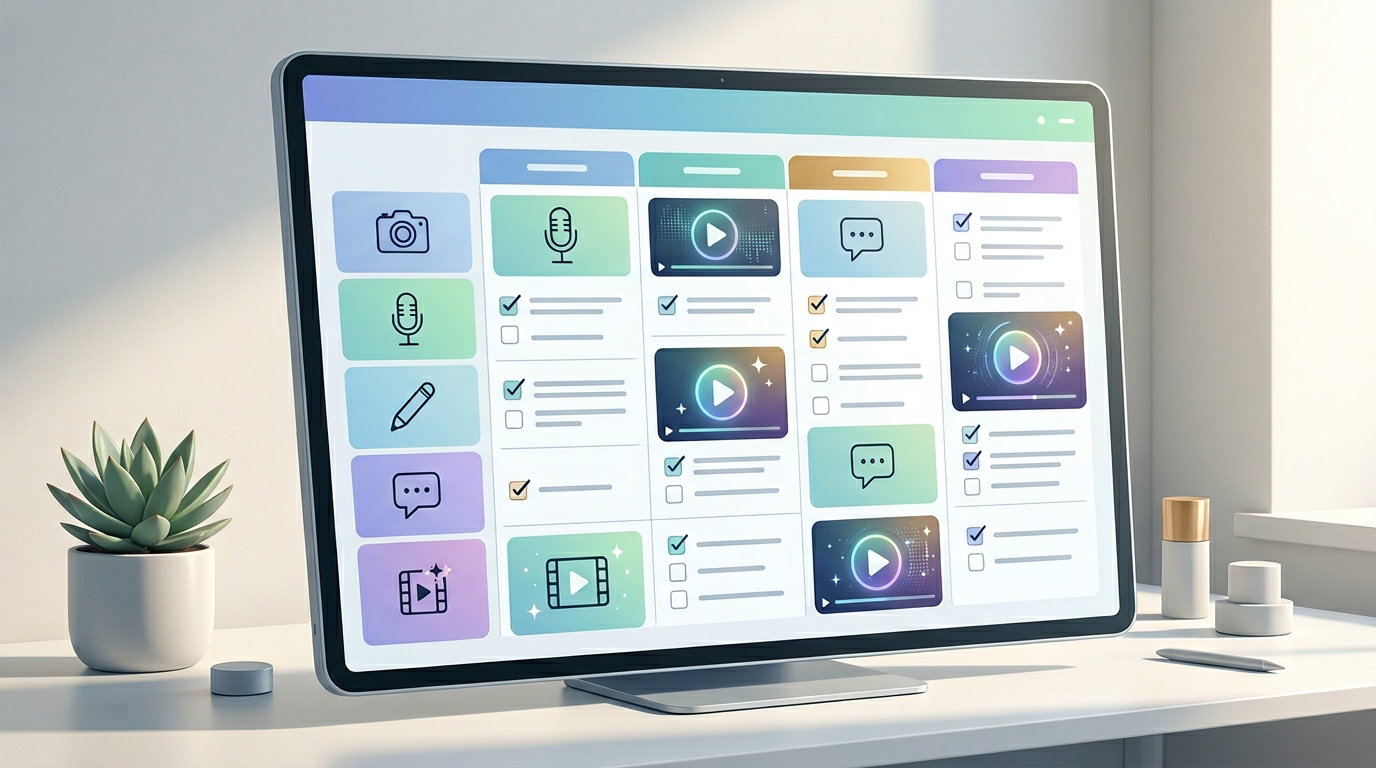
Finally, always prioritize iteration. The beauty of modern AI tools is that you can adjust the output based on real-time audience feedback. If your audience responds better to the "funny" side of a persona than the "serious" side, tweak your prompts and scripts accordingly. The Persona Paradox is solved not by trying to be perfect, but by being consistently and distinctly, well, someone else. By embracing the flexibility of AI, you are no longer limited by your own vocal range or your ability to perform; you are limited only by the depth of your creative vision.
How do I create an AI persona that doesn't sound like a robot?
Avoid long, monotone scripts. Use conversational, punchy dialogue that emphasizes the persona's unique cadence and catchphrases. Keep the output focused on personality rather than just information delivery.
Can I use AI-generated personas for commercial content creation?
Yes, many creators use AI personas for branded content, promos, and ads. Always ensure you are using a platform that respects intellectual property and offers licensed, high-quality AI models to maintain brand safety.
What is the difference between a voice generator and a full AI persona?
A voice generator simply mimics tone and pitch. An AI persona, like those on Fanfun, includes the character's "essence"—their typical mannerisms, vocabulary, and interactive capabilities that allow for dynamic, two-way conversation.
How do I choose the right celebrity persona for my specific audience?
Look at your audience's core interests. If they value motivation and sports, an athletic icon is a natural fit. If they are younger or engage with gaming/anime, fictional characters often provide a deeper, more nostalgic connection.