
The Perez Hilton Effect: How Aggressive Commentary Redefined Modern Celebrity Culture
Perez Hilton’s rise was built on a specific, high-velocity archetypal voice. We break down how modern creators can capture that same scroll-stopping energy using AI.

In the mid-2000s, the landscape of celebrity journalism underwent a violent, necessary mutation. The era of the glossy, PR-controlled magazine profile was dismantled by the rise of the personal blog, with Perez Hilton standing as the primary architect of this new, scorched-earth approach to reporting. By replacing objectivity with unapologetic, high-velocity snark, he proved that audiences didn't just want the news—they wanted a curated, polarizing reaction to it. This shift wasn't merely about tone; it was about the birth of the creator-as-character. Hilton’s blog transformed the reader from a passive consumer into a participant in a digital gossip circle.
Today, that same demand for immediacy and personality has migrated from text-based blogs to the high-stakes world of short-form video. For modern creators, the challenge remains the same: how to maintain that level of consistent, aggressive engagement without succumbing to the burnout of manual production. To succeed, you must adopt a persona that is as recognizable as it is reactive.
The Anatomy of the Snark Archetype
The core of the Perez Hilton effect was visual and rhetorical shorthand. By pairing celebrity imagery with crude, hand-drawn doodles and rapid-fire, irreverent annotations, he created a unique brand identity that was instantly recognizable. The 'snark' was never just an insult; it was a consistent, reliable energy that his audience could predict and crave. This is the blueprint for the modern persona-driven brand: you are not just a reporter; you are a character with a specific, unwavering point of view.
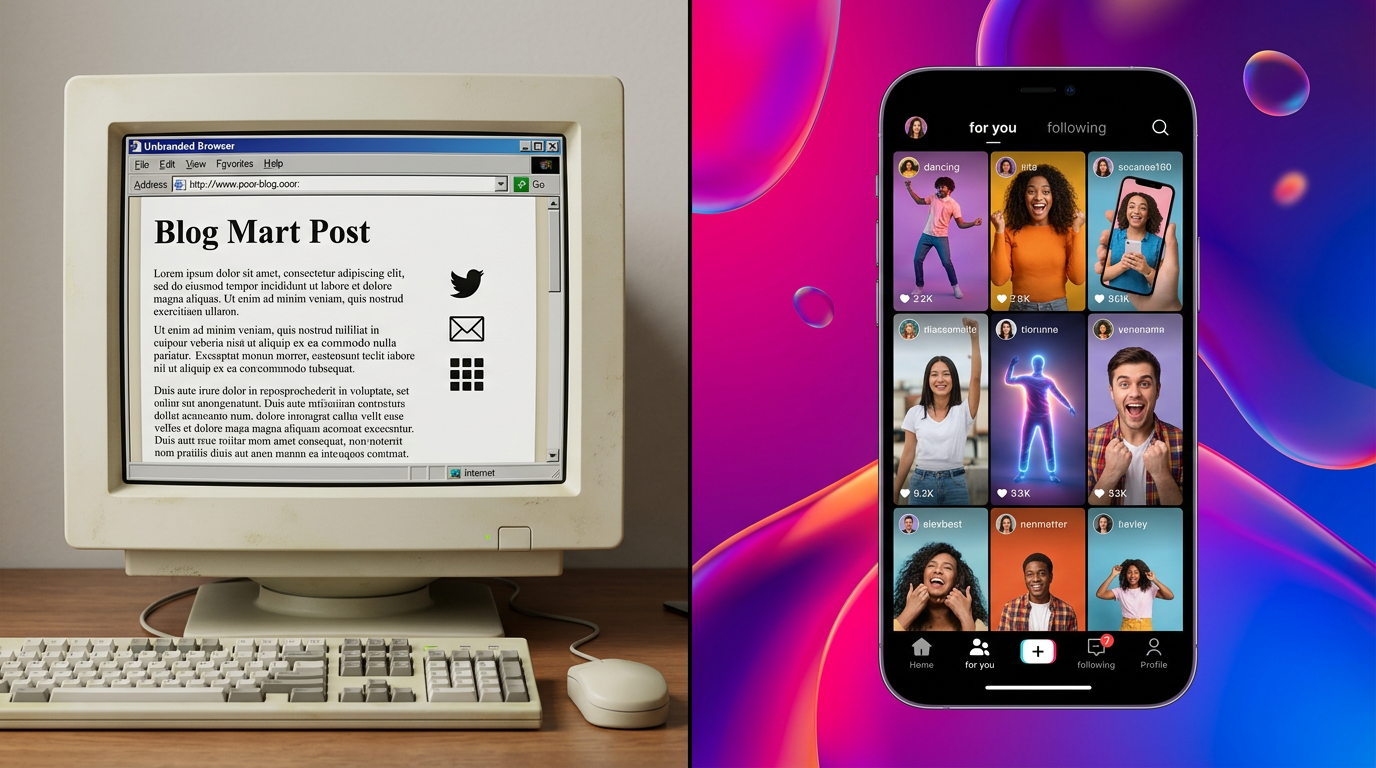
In today's digital ecosystem, the barrier to entry for this kind of content has shifted. Audiences are no longer satisfied with static text. They demand the immediacy of video and the presence of a distinct voice. Whether you are analyzing a red carpet moment or breaking down a trending pop-culture blunder, the audience is looking for that 'in-the-room' feeling. The most successful creators today are those who can synthesize information and deliver it through a persona that feels larger than life, using tools that allow them to iterate at the speed of the news cycle itself.
The Psychology of the Parasocial Loop
Why does this style of commentary work? It taps into the parasocial loop—the feeling that the creator is a friend in the room sharing a secret. When you use an AI persona to deliver commentary, you aren't just broadcasting; you are facilitating a conversation. By adopting the cadence or the specific 'vibe' of a recognizable archetype, you lower the cognitive load for your audience. They already know the character, so they are primed to listen. This is why Fanfun has become a strategic necessity for creators; it allows you to tap into these pre-existing cultural archetypes without needing a massive production budget. You can leverage the intensity of Shaq to provide a commanding, high-stakes roast or the absurdist charm of Spongebob Squarepants to frame a viral meme. This is about moving from the limitations of human bandwidth to the infinite possibilities of creative iteration.
The Evolution of Commentary: From Blogs to AI Personas
The limitation of the legacy gossip model was its inherent rigidity. A blogger could only write as fast as they could type, and the connection remained one-way. We are now entering the era of the 'dynamic AI creator,' where the commentary is no longer static text but a living, breathing, and interactive experience. By leveraging AI, creators can now build personas that react to news in real-time, offering a level of engagement that was previously impossible to sustain.
When you integrate AI into your workflow, you aren't replacing your voice—you are amplifying it with a recognizable archetype that your audience already trusts and understands. This allows for a level of experimentation that would be impossible in traditional media. You can test how different personas react to the same piece of news. Does your audience prefer the stoic wisdom of a Kobe Bean Bryant archetype or the relatable, modern energy of a Sydney Sweeney persona? By using AI to prototype these reactions, you can refine your brand’s voice in minutes rather than weeks. Even iconic, timeless characters like Mickey Mouse can be leveraged to provide a unique, ironic lens on modern events, turning standard commentary into a piece of high-performance digital entertainment.
Scaling Personality Without the Burnout
The biggest trap for a modern commentator is the 'consistency paradox.' To grow, you must be frequent; to be frequent, you often sacrifice quality. AI solves this by acting as a force multiplier for your creative vision. When you use an AI-powered persona like Dwayne Johnson to anchor a segment, you have a consistent, high-energy anchor that works 24/7. This consistency is the secret sauce of the Perez Hilton model—he was a machine because he had a rigid, reliable format.

To launch a successful, persona-driven channel, you need to move beyond simple text-based updates. Use this framework to evaluate your current workflow against a more modern, AI-assisted approach.
| Feature | Traditional Blogging | AI-Assisted Video Creation |
|---|---|---|
| Speed | Slow (writing/editing) | Instant (minutes) |
| Engagement | Low (passive) | High (interactive) |
| Scalability | Manual/Burnout | Automated/High Output |
| Persona | Static/Text-based | Dynamic/Voice-led |
Strategic Launch Checklist:
- Define the Archetype: Are you the cynical critic, the obsessive fan, or the ironic satirist? Your voice must be consistent across every post.
- Adopt Velocity: In the current social media landscape, being first is often better than being polished. Use AI to turn news into content within minutes.
- Leverage Familiarity: Use established archetypes to bridge the gap between your brand and the audience's existing pop-culture knowledge.
- Iterate on Feedback: Use the speed of AI to test which personas generate the most engagement, then double down on what works.
The Perez Hilton effect was never just about the gossip; it was about the audacity to be a distinct, polarizing voice. In the age of AI, that audacity is easier to achieve than ever. By combining your unique perspective with the speed and flexibility of modern AI tools, you aren't just reporting on the culture—you are actively shaping it.
How did Perez Hilton change the way we consume celebrity news?
Perez Hilton pioneered the 'snark-first' editorial style, moving celebrity gossip from passive reporting to active, persona-driven commentary characterized by visual shorthand and unfiltered, high-velocity opinions.
Can AI voice generators replicate the energy of famous commentators?
Yes. AI voice tools allow creators to capture the cadence, intensity, and specific vocal archetypes of famous personalities, enabling them to produce reaction content that maintains a consistent tone at scale.
What are the best alternatives to traditional gossip blogs for modern creators?
Modern creators are shifting toward short-form video content driven by interactive AI personas. Platforms like Fanfun allow creators to use AI-driven celebrity-style voices to deliver commentary, memes, and reactions instantly.
How can I use AI to create a unique persona for my YouTube channel?
Start by identifying a specific archetype (the critic, the satirist, the fan). Use AI voice generators to maintain that persona's consistency across your videos, ensuring your audience knows exactly what to expect from your content.