The Rise of the Modern Scream Queen: Why Creators Are Channeling Hannah Cheramy
Modern horror isn't about the jump scare; it's about the performance. We break down the 'vulnerability-to-intensity' arc and how to use AI to master it.
The contemporary horror landscape has shifted away from the exaggerated theatrics of the 80s slasher toward a more grounded, intimate form of terror. Actors like Hannah Cheramy excel by portraying characters who feel like they belong in our reality, making the stakes feel visceral rather than performative. This approach is defined by "everyday vulnerability"—the subtle, shaky breath or the brief, disbelieving stare that suggests a character is processing a nightmare in real-time.
For digital creators, this shift is a masterclass in engagement. Modern audiences are conditioned to spot artificiality; they gravitate toward performances that feel unscripted and raw. By moving away from the "scream-on-cue" trope and toward a performance that emphasizes the psychological weight of danger, you create a deeper emotional tether with your viewers. It is the difference between a video that is merely "scary" and one that feels genuinely unsettling.
The Anatomy of a Modern Horror Performance
To achieve this, creators must stop viewing horror as a loud, chaotic genre and start treating it as a study in restraint. Whether you are building a narrative on TikTok or crafting a short film for YouTube, the goal is to make the audience feel like an intruder in a private, terrifying moment. This requires a shift in how you direct your own content, prioritizing the silence between lines as much as the dialogue itself.

Traditional horror relied on the "final girl" trope—a character who survives through sheer physical endurance. The modern Scream Queen, however, survives through psychological adaptation. This archetype is defined by a rapid transition from normalcy to hyper-vigilance. To replicate this in your own content, you need to focus on the "micro-reaction." Instead of a wide, dramatic scream, focus on the tightening of the jaw or the widening of the eyes. These small, human details are what make a character feel real enough to be afraid for.
Translating Emotional Intensity into Digital Content
Translating this level of intensity into short-form content requires a surgical approach to pacing and sound. In a 60-second clip, you don't have the luxury of a slow-burn setup. Instead, you must rely on micro-expressions and, crucially, the cadence of the voice. Silence, when used correctly, is your most powerful tool. It forces the audience to lean in, creating a vacuum that your dialogue—or your character's reaction—must fill.
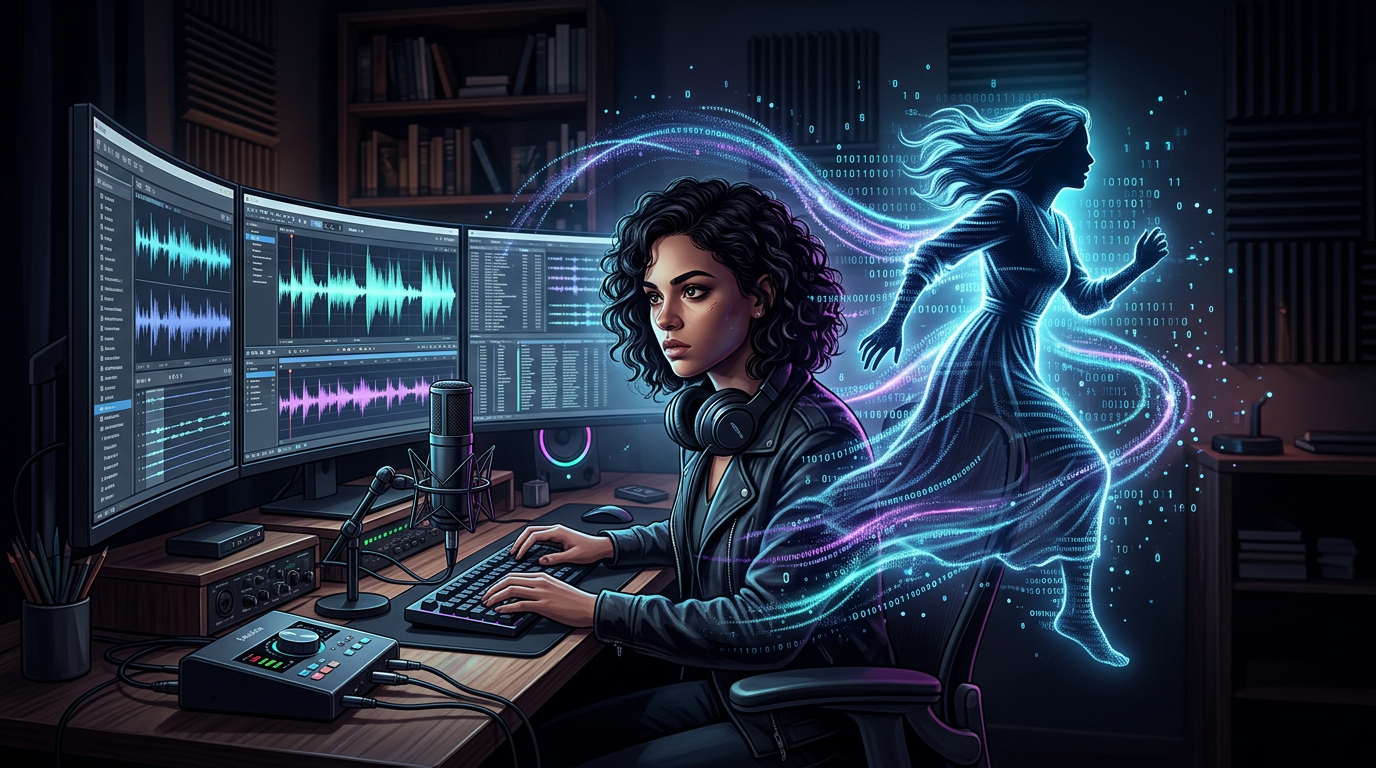
Creators are increasingly using AI voice generators to iterate on these emotional registers. By experimenting with different tones, pitches, and delivery speeds, you can refine your character’s voice to ensure it hits the right level of "grounded" versus "unhinged." For instance, while a high-energy, iconic voice like Spongebob Squarepants relies on a distinct, recognizable cadence for comedic effect, a horror lead requires a more restrained, unpredictable flow. Using tools like Fanfun allows you to test these variations in minutes, ensuring the final output matches the specific tension you are trying to build.
When you are building a narrative, the voice is the anchor of the character's humanity. In the Fanfun library, you can experiment with how different vocal textures change the perception of a scene. If you are writing a scene about a character trapped in a mundane setting, you might find that a softer, more breathy delivery creates more dread than a loud, panicked one. The ability to iterate on these vocal choices without needing a full sound studio is a massive advantage for independent creators.
The Role of Vocal Pacing in Building Dread
Vocal pacing is the secret weapon of the modern horror lead. In traditional voice acting, we are taught to project, but in horror, we are taught to whisper and hesitate. When you use an AI tool to generate dialogue, the temptation is often to make it sound perfect. In horror, perfection is the enemy of fear. You want the stutters, the uneven breaths, and the sudden drops in volume that signify a character losing their composure. By leveraging Fanfun to generate diverse vocal takes, you can identify which specific cadence triggers the most visceral reaction from your audience.
Consider the contrast between a high-energy personality and a horror lead. If you were to compare the booming, confident delivery of the Shaq persona—which is designed for impact and charisma—against a character designed for a psychological thriller, the difference in utility becomes clear. One is built for immediate engagement, while the other is built for sustained atmosphere. Mastering this balance is what separates a generic content creator from a storyteller who understands the mechanics of fear.
Building Your Own 'Scream Queen' Archetype
To build a compelling horror narrative, you need a framework that balances the traditional tropes with modern psychological depth. You aren't just making a scary video; you are constructing a character arc that moves from normalcy to total disorientation. This is where character-driven content shines, as it allows for the development of a "Scream Queen" persona that feels authentic to your brand. Whether you are using a persona inspired by the intensity of Sydney Sweeney or creating something entirely original, the key is consistency in the character's emotional logic.
| Element | Classic Slasher Trope | Modern Psychological Tension |
|---|---|---|
| Reaction | High-pitched, loud screaming | Hyper-focused, quiet breathing |
| Environment | Isolated, dark cabin | Mundane, everyday setting |
| Pacing | Constant motion | Intentional, heavy silence |
| Delivery | Exaggerated panic | Dread-filled, grounded focus |
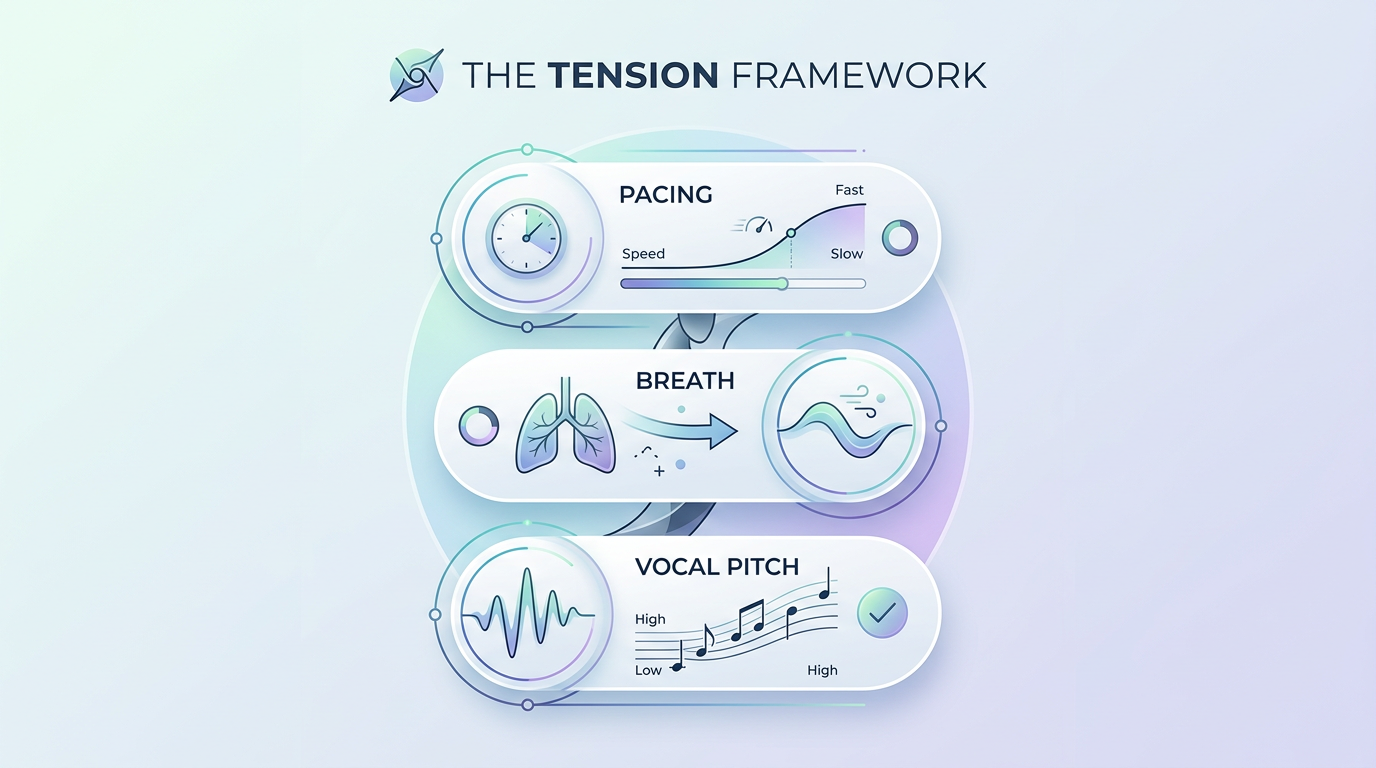
When scripting your narrative, focus on the "Tension Framework": start with a mundane observation, introduce a subtle inconsistency, and end with an emotional release. If you are struggling to find the right character voice for your antagonist or your lead, you can use Fanfun to experiment with different character personas. Comparing the grit of a character-driven horror lead against the high-octane energy of a personality like the Dwayne Johnson AI helps you understand how vocal delivery dictates audience perception and emotional response.
Why AI Voices Are the New Frontier for Storytelling
The novelty of using AI to mimic celebrities has given way to a more practical utility: the ability to build and iterate on entire casts of characters without the constraints of traditional production. For a creator, the time spent auditioning voice actors or recording and re-recording lines is often a barrier to entry. With platforms like Fanfun, you can develop a "cast" of personas, experiment with their delivery, and pivot your script based on which character voice creates the most effective tension. This is about democratization; you no longer need a Hollywood budget to experiment with character-driven horror.
Think of your AI voice generator as a digital casting director. You can audition multiple "actors" for your horror short in the time it takes to brew a cup of coffee. You might find that a voice you initially thought was too soft actually creates a haunting, ethereal quality when paired with the right visual cues. This level of rapid prototyping allows you to lean into the "Scream Queen" archetype with more precision, ensuring that every element of your content—from the visual tone to the vocal cadence—is working in harmony to deliver a genuinely chilling experience.
Ultimately, the modern horror landscape is wide open for creators who are willing to experiment with these new technologies. Whether you are drawing inspiration from classic icons like Mickey Mouse to subvert expectations or building a new, terrifying world from scratch, the tools available today allow you to push the boundaries of what is possible in digital storytelling. By treating your content as a living, breathing performance and using AI to refine the emotional stakes, you can build a library of content that feels as professional as it is personal.
What makes Hannah Cheramy's acting style unique in horror?
Cheramy excels at 'grounded horror,' focusing on subtle, realistic reactions rather than exaggerated theatricality. Her style emphasizes internal vulnerability, making the audience feel the character's fear as a genuine, human experience.
How can I use AI to improve my horror content storytelling?
Use AI to experiment with vocal pacing and emotional intensity. By testing different tones and delivery styles, you can find the perfect balance of tension for your specific narrative before recording your final video.
Is it better to use celebrity voices or original characters for short-form horror?
It depends on your goal. Celebrity voices (like the Shaq persona) can provide immediate recognition for comedic or meme-based horror, while original characters allow you to build a unique brand identity that isn't tethered to existing pop culture expectations.
How does Fanfun help content creators build better character-driven narratives?
Fanfun allows you to instantly generate and test diverse character voices, enabling rapid iteration on scripts and emotional delivery. It removes the production bottleneck, allowing you to focus on the nuance of your storytelling.