
The Satirist’s Toolkit: Mastering the Art of the Character Study Like Mo Collins
Great character work requires more than just an impression. Learn how to translate the nuance of professional comedic performance into compelling, interactive AI-driven content.
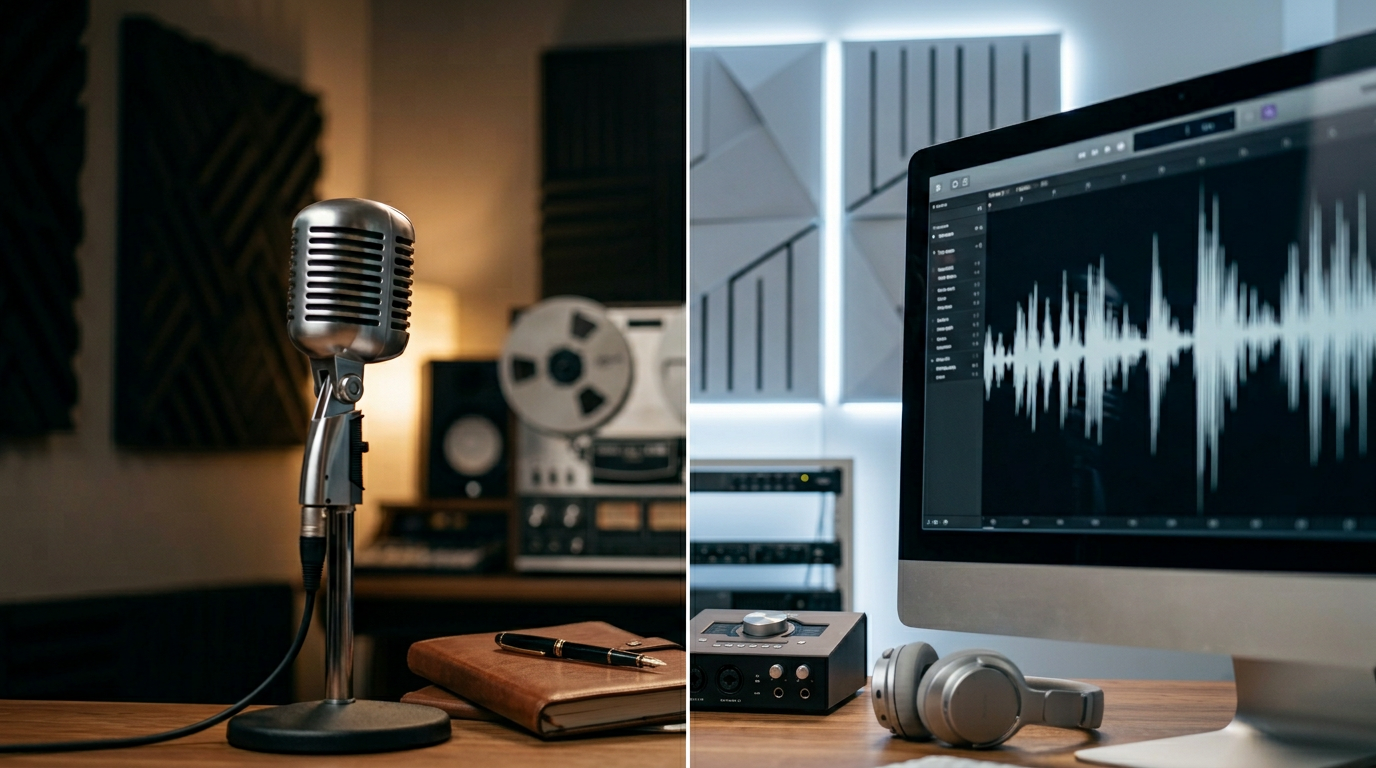
In the world of comedy, performers like Mo Collins occupy a rare space. They don't just mimic a subject; they inhabit a frequency. The 'chameleon effect' relies on identifying the micro-expressions of a performance—the specific vocal ticks, the deliberate pauses, and the underlying emotional intelligence that makes a character feel real. For modern creators, the goal should be to move beyond a surface-level impression and instead aim for an embodied persona that can sustain long-form engagement. If you are building a digital presence, your character must have a soul, not just a sound.
When you focus on the 'soul' of a character rather than just a pitch-perfect vocal match, you create room for spontaneity. Audiences today are highly attuned to authenticity. They can tell when a character is a hollow shell and when it is a fully realized entity with its own logic, motivations, and insecurities. To build this in your own content, you must stop looking at voices as flat audio files and start viewing them as the primary vessel for your narrative voice. This is where the intersection of technology and performance art becomes most interesting.
The Anatomy of the Chameleon
To turn a concept into a consistent persona, use the 'Three-Pillar Method': Vocal Cadence, Emotional Baseline, and Recurring Catchphrases. Vocal Cadence dictates the rhythm and speed of speech; the Emotional Baseline establishes how the character reacts to conflict; and Recurring Catchphrases provide the anchors that audiences recognize instantly.
When planning your content, it helps to contrast your approach based on the archetype you are building. For example, the high-energy, bombastic delivery required for a Shaq persona demands a different set of prompt instructions than the nuanced, deadpan, or observational style popularized by performers like Collins. Using a table can help you map these differences before you begin generating.
| Feature | High-Energy Persona (e.g., Shaq) | Nuanced/Deadpan Persona |
|---|---|---|
| Vocal Cadence | Fast-paced, emphatic, booming | Measured, deliberate, rhythmic |
| Emotional Baseline | Excitement, dominance, joy | Skepticism, irony, detachment |
| Primary Tool | Volume and intensity | Timing and subtext |
By mapping these pillars, you can refine your prompt engineering. Instead of asking an AI to 'sound like' a character, you provide specific instructions on the character's internal state, which leads to much more consistent and creative outputs.
The Science of the 'Pause'
One of the most overlooked elements in AI-driven character work is the strategic use of silence. In professional comedy, the pause is where the audience catches up to the joke. When configuring your AI models, you must explicitly prompt for pacing variations. An AI that speaks in a continuous, machine-gun flow will always sound synthetic. By instructing the model to 'breathe' or 'hesitate' before a punchline, you mimic the cognitive process of a human performer. This is the difference between a generic text-to-speech output and a performance that feels like it was directed by a human hand.
Consider the difference between a flat read and a performance. If you are generating a script, add stage directions into your prompt: [Long pause], [Sigh], [Chuckles to self]. These small additions force the AI to process the emotional weight behind the words, preventing the 'uncanny valley' effect that often plagues low-effort content.
From Screen to Stream: Scaling Your Content
The true power of AI in content creation is its ability to handle repetitive, high-volume tasks while you maintain the creative 'bits' that require human taste. If you are building a series of sketches, you don't want to spend hours recording and re-recording lines. You want to iterate on the joke until it lands perfectly. This iterative process is the secret sauce of modern digital comedy.
Platforms like Fanfun allow creators to experiment with this scale. You might start with the high-intensity, recognizable energy of a Dwayne Johnson AI persona for a promotional hook, then pivot to a more understated character study for a long-form sketch. The key to audience trust is consistency. Once your audience understands the 'rules' of your character, they will follow you across platforms, provided the voice and logic remain coherent. Whether you are invoking the legacy of a legend like Kobe Bean Bryant or crafting a modern parody, Fanfun provides the infrastructure to keep your creative output moving at the speed of internet trends. By removing the technical barriers of production, you are free to focus entirely on the writing and the comedic timing.
The Interactive Frontier
We are moving away from the era of passive video consumption and into a period of active, AI-driven character dialogue. This is where the magic happens. A video clip is a monologue; a chat is a relationship. By using AI to facilitate two-way conversations, you turn your audience into participants in your creative world.

Whether you are interacting with a fictional icon like Spongebob Squarepants or a custom-built persona, the logic of the conversation is what keeps users engaged. Use character-specific logic to ensure the AI responds with the same 'flavor' as the character. If you're running a fan-driven Q&A, the character should answer in a way that respects their internal history, not just with generic, helpful information. This is how you build a loyal, active community rather than just a stream of viewers. Consider how icons like Mickey Mouse or modern stars like Sydney Sweeney carry specific cultural baggage and expectations; when you build a persona, you are managing that expectation, not just replicating a vocal profile. The goal is to make the user feel like they are speaking to the character, not a chatbot.
Beyond the Impression: A Checklist for Creators
Before you publish your next character-driven project, run it through this simple decision-making framework to ensure you are delivering substance, not just noise:
- Motivation Check: Is your character grounded in a clear, consistent motivation, or are they just reacting to the prompt?
- Emotional Range: Does your voice generator capture the subtle emotional shifts—the pauses, the sighs, the sarcasm—rather than just the pitch?
- Platform Fit: Are you leveraging the right format? (e.g., Use short-form video for punchy, high-energy personas and interactive chat for deep-dive character studies.)
- The 'So What' Factor: Does this character interaction offer value, whether it's humor, insight, or a genuine surprise, to the viewer?
- The Logic Test: If you ask the character a question about their 'backstory,' do they answer consistently with the lore you've established?
By following these steps, you elevate your content from a novelty to a staple of your audience's feed. The future of comedy isn't just about who can do the best impression; it's about who can build the most compelling, interactive, and consistent world for their audience to inhabit.
How do I make my AI character sound more natural and less robotic?
Focus on prompt engineering that includes emotional cues. Instead of just requesting a voice, describe the character's state of mind—e.g., 'speak with a hint of skepticism' or 'deliver this with a slow, deliberate cadence.' Incorporating stage directions like [pause] or [sigh] also helps dramatically.
What is the difference between a voice impression and a full AI persona?
A voice impression is a technical mimicry of pitch and tone. A full AI persona includes the 'logic' of the character—their vocabulary, emotional baseline, and specific way of interacting with the world, which is essential for ongoing engagement.
Can I use AI to create character-based comedy sketches?
Absolutely. AI tools allow you to iterate on dialogue quickly, letting you test punchlines and timing without the overhead of traditional production, which is perfect for refining comedic bits and building a consistent series.
How do I maintain consistent character traits when using AI voice generators?
Develop a 'Character Bible' or a set of system instructions that define the character's core traits, catchphrases, and emotional responses. Use these consistently in every prompt to ensure the output remains on-brand across all your content.