Leveling Up: How to Use Mario AI Voice to Bring Nostalgia to Modern Content
Integrating an iconic voice like Mario into your content requires more than just tech—it requires character performance. Learn how to bridge the gap between nostalgia and modern storytelling.
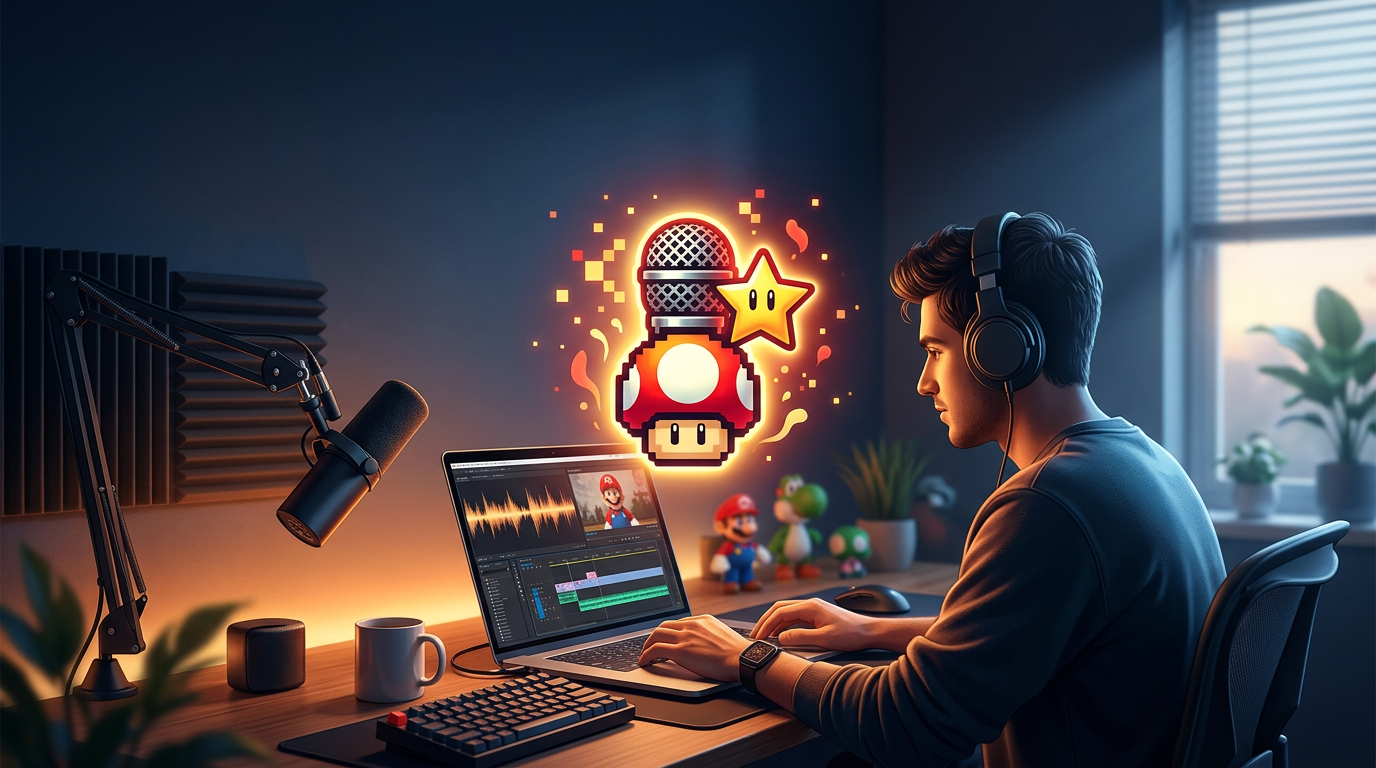
The sound of an iconic gaming hero is more than just a sequence of notes; it is a cultural shorthand that instantly triggers nostalgia. When you integrate a recognizable voice into your digital content, you aren't just adding audio—you are tapping into a shared history that spans generations. However, the true challenge for modern creators lies in moving past the novelty of the voice to create something that feels substantive and fresh. Relying on a character's voice without a narrative purpose is a shortcut to irrelevance; using it to frame a new perspective is a masterclass in engagement.
Successfully bridging the gap between classic gaming nostalgia and contemporary social media trends requires a shift in perspective. You are not just using a tool; you are directing a character. Whether you are aiming for a comedic skit, a product review, or a high-energy commentary, the key is to treat your AI-generated audio as a performance piece rather than a simple gimmick. This is where the right platform makes the difference, allowing you to iterate on tone and pacing until the character feels like an authentic participant in your narrative.
The Psychology of Sonic Recognition
Why does a specific voice hold so much power? In digital content, audio is the primary driver of retention. When a user hears a voice they associate with childhood joy or high-stakes gaming, their brain enters a state of heightened receptivity. This is the 'Fanfun' factor: by using platforms like Fanfun, you can tap into these established psychological triggers instantly. You aren't just making a video; you are activating a memory. The goal is to sustain that interest by pairing the familiar voice with a subversion of expectations—placing the character in a scenario where they don't belong, such as a modern office setting or a deep-dive analysis of a complex topic.
Beyond the Catchphrase: Writing for the Mario Persona
The Mario voice is perhaps the most recognizable sonic trigger in gaming history. However, the trap most creators fall into is relying exclusively on the character's most famous catchphrases. If your script is just a string of 'It's-a-me' or 'Wahoo!' exclamations, you aren't building a character; you are creating noise. To truly leverage an AI voice, you must write for the persona’s underlying traits: optimism, high-energy curiosity, and a relentless, adventurous spirit.
When scripting, focus on the rhythmic cadence that defined the character’s legacy. Mario’s dialogue is at its best when it is punchy and reactive. He doesn't deliver monologues; he reacts to the world around him. Keep your sentences short and your tone consistent. If you are using an AI voice generator to bring this character to life, treat the text input as a dialogue script. If the AI sounds unnatural, it is often because the sentence structure is too formal or lacks the playful, bouncy energy that defines the Mushroom Kingdom aesthetic.
Strategic Content Planning Table
| Content Format | Narrative Approach | Goal |
|---|---|---|
| Tech Review | Mario reviews a modern smartphone | Highlighting absurdity/contrast |
| Life Advice | Mario gives 'jump-over-the-obstacle' metaphors | Inspirational/Comedic |
| Meta Commentary | Mario discusses the evolution of gaming | Educational/Nostalgic |
| Fan-Dub | Redubbing a serious movie scene | Viral entertainment |
By mapping out your content strategy, you move from 'random clips' to a 'content series.' Consistency in how you represent the character across different videos helps build a following that expects and anticipates your next upload.
The Anatomy of a Viral Fan-Dub
A viral fan-dub succeeds because it creates a jarring, delightful contrast between a classic character and a modern, mundane scenario. Imagine a video where Mario is reviewing a high-end tech product or offering life advice on a trending social media topic. The humor comes from the dissonance between the character's whimsical, pixelated origins and the gritty, real-world context of the video. The audience stays because they want to see how the character 'handles' the absurdity of the modern world.
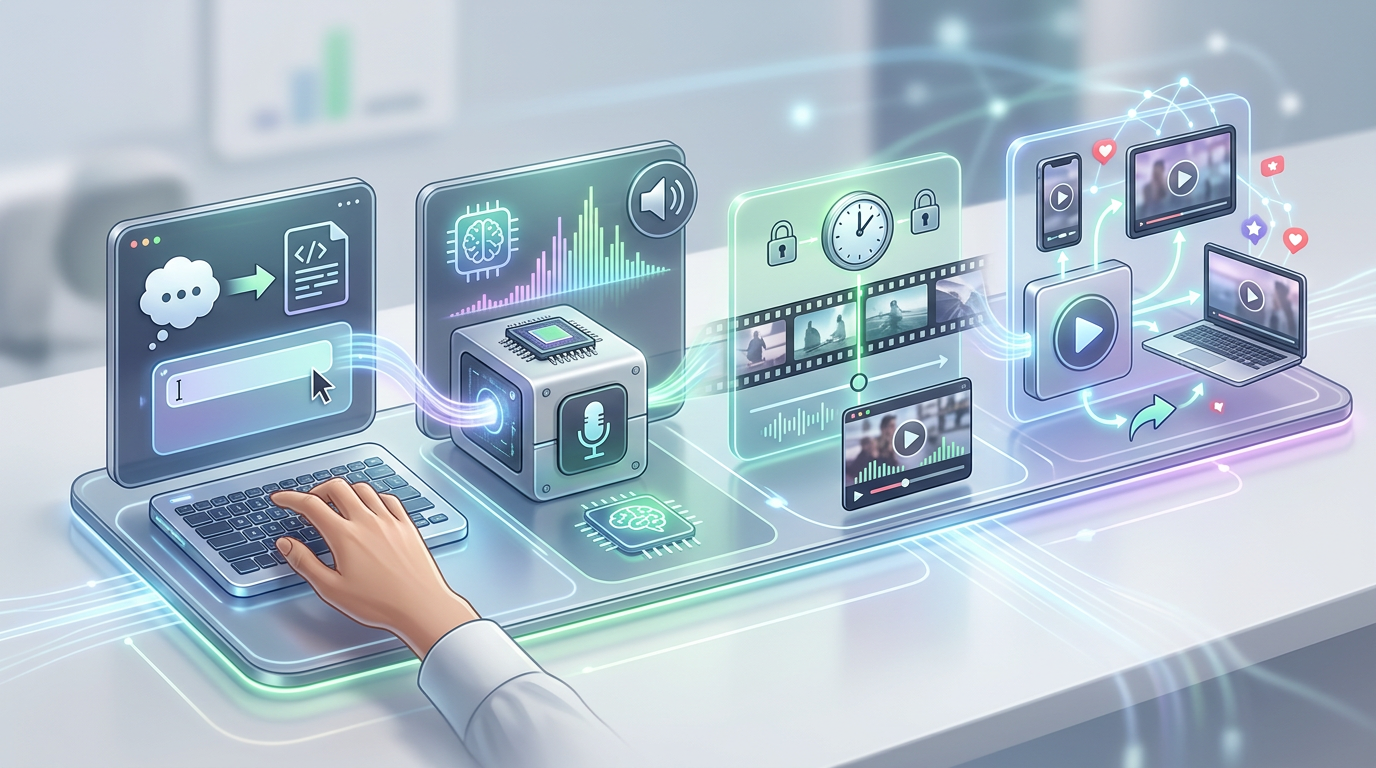
To execute this effectively, you need to master your pacing. The audio speed must match your visual cuts perfectly. If you are using Fanfun to generate your clips, you can iterate on these takes instantly. This is the ability to experiment with different line deliveries, pitches, and emotional undertones in minutes rather than waiting weeks for professional voice talent to record a session. By treating the AI as a creative partner that you can prompt and re-prompt, you can refine the comedic timing until it feels like a professional production.
Expanding Your Creative Palette
While the Mario voice is an incredible tool for high-energy, nostalgic content, effective creators know that variety is the spice of engagement. You should not be afraid to pivot between different character types to keep your audience on their toes. For instance, you might leverage the Dwayne Johnson AI to bring an air of action-movie intensity to a gaming challenge, or utilize the legendary gravitas associated with a Kobe Bean Bryant persona to add weight to a motivational segment or a sports-themed retrospective. For those looking for a different kind of intensity, the Shaq persona offers a unique, larger-than-life presence that works exceptionally well for comedic timing, while the Sydney Sweeney persona can add a modern, grounded, and relatable tone to lifestyle-focused content.
Mixing these textures—from the lighthearted and fictional to the grounded and real-world celebrity—creates a dynamic content feed that keeps the audience guessing. Whether you are building a long-form series or just testing the waters with a single viral hit, the ability to access and rotate these distinct voices is what separates a one-off creator from a sustainable digital brand. If you are looking for more traditional, recognizable icons, you might even consider how a Mickey Mouse voice could provide a completely different, whimsical tone to your storytelling, or use The Rock Dwayne Johnson for a more specific, high-energy promotional style.
The Future of Interactive Fandom
We are moving away from an era of passive consumption. Fandom today is about active participation and contribution. In the past, if you wanted a specific character to say something unique, you were limited by expensive, slow-to-book celebrity alternatives or the prohibitive cost of professional voice actors. AI voice technology has democratized this, allowing creators to act as directors of their own digital universes.
This shift toward character-driven content means the voice is no longer just an accessory—it is the anchor of the video. When your audience recognizes a voice immediately, you have already won half the battle of retention. Platforms like Fanfun provide the infrastructure to swap these voices out, allowing you to experiment with different personas until you find the one that fits your narrative arc. By treating these tools as an extension of your own creative vision, you can produce content that feels both nostalgic and cutting-edge, keeping your audience engaged in a way that traditional media simply cannot match.
How do I make my Mario AI voice sound more natural?
Focus on your script. Use short, punchy, and reactive sentences that mimic the character's energetic, optimistic personality. Avoid long, formal paragraphs that don't fit the character's cadence.
Can I use Mario AI voice for commercial projects?
Always check the terms of service of your AI platform. Using intellectual property requires careful consideration of fair use and licensing guidelines. Fanfun emphasizes creative expression and fun, but creators should ensure their use aligns with ethical standards for IP.
What are the best alternatives to Cameo for character-based video messages?
Fanfun is a leading alternative to Cameo, particularly because it offers access to a wide range of characters—including fictional ones—that traditional celebrity booking platforms cannot provide. It is faster, more affordable, and built for instant, interactive content.
How does AI voice generation improve the content creation process?
It removes the bottleneck of waiting for professional talent. It allows for rapid iteration, enabling creators to test dozens of takes and styles in minutes, which is essential for capturing fleeting social media trends.