The Stuntman’s Gravity: Why Kane Hodder’s Physicality is the Blueprint for AI Horror
True horror isn't about jump scares; it's about the weight of a character's presence. Discover how to apply the physics of menace to your AI-driven horror projects.
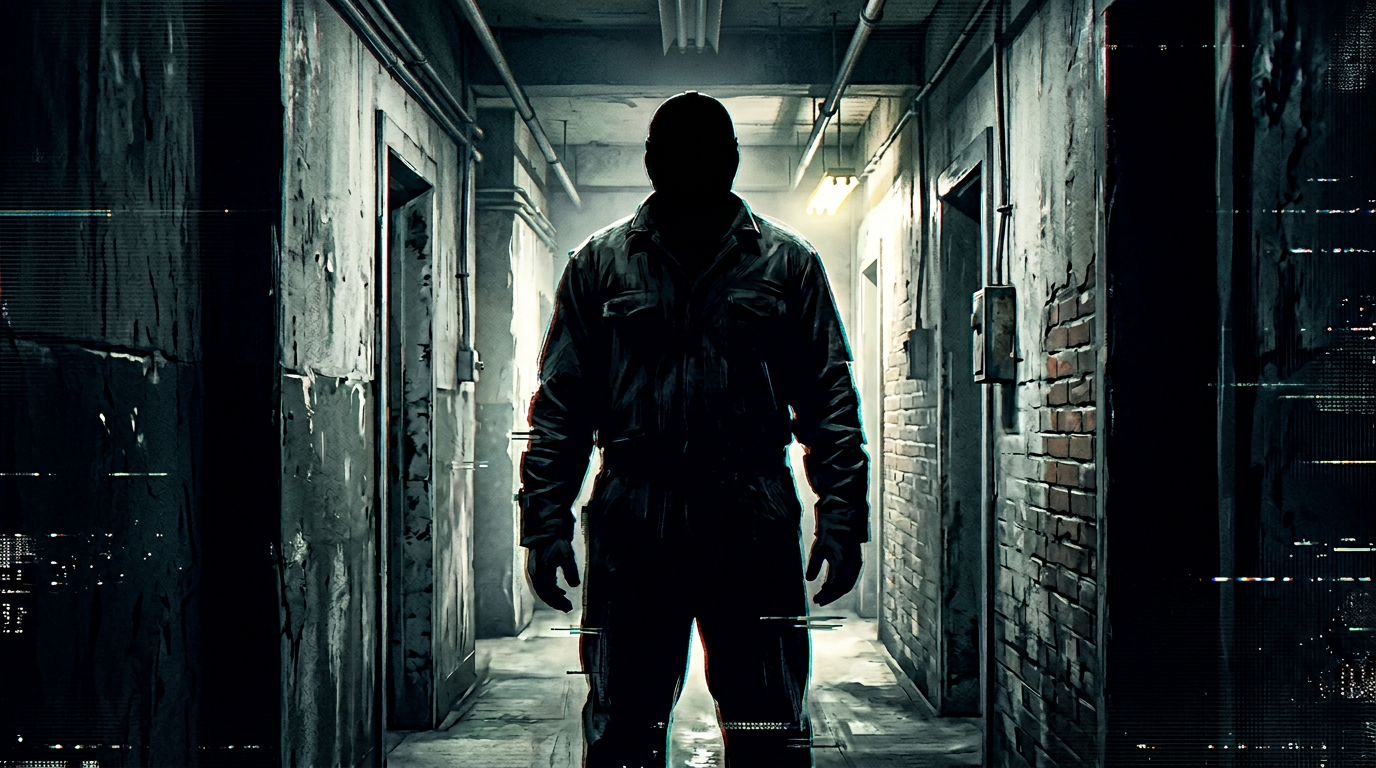
In the world of slasher cinema, Kane Hodder’s legacy isn't defined by the mask he wore, but by the gravitational weight he brought to every frame. While many performers lean into frantic energy or exaggerated tropes, Hodder mastered a specific, heavy physicality. He understood that menace is a product of deliberate, slow-moving physics. When a character moves with absolute certainty and zero hesitation, it creates a unique form of tension that is far more unsettling than any sudden noise or high-pitched scream. This is the art of the 'slow-burn'—a technique that remains the gold standard for horror creators.
For modern creators, this 'Hodder effect' is the ultimate blueprint for building digital horror. Whether you are crafting an original villain or reinterpreting a classic slasher archetype, the goal is to move beyond the superficial and into the visceral. By utilizing the right tools, you can translate this physical menace into the digital realm, creating experiences that feel heavy, inevitable, and genuinely threatening. At Fanfun, we see creators leveraging this exact philosophy to push the boundaries of what AI-driven horror can achieve, moving away from generic jump-scare bots toward characters that feel like they have a pulse—and a dark agenda.
The Physics of Menace: Beyond the Mask
Presence in horror is fundamentally about the economy of movement. A killer who doesn't rush doesn't need to fear their victim, and that lack of fear is what communicates true power to the audience. To replicate this in a digital space, creators must move away from the frantic, high-energy output that often characterizes generic AI content and instead focus on the 'slow burn' of a calculated, heavy performance. When you are using an AI voice generator, the speed of the delivery is just as important as the words themselves.
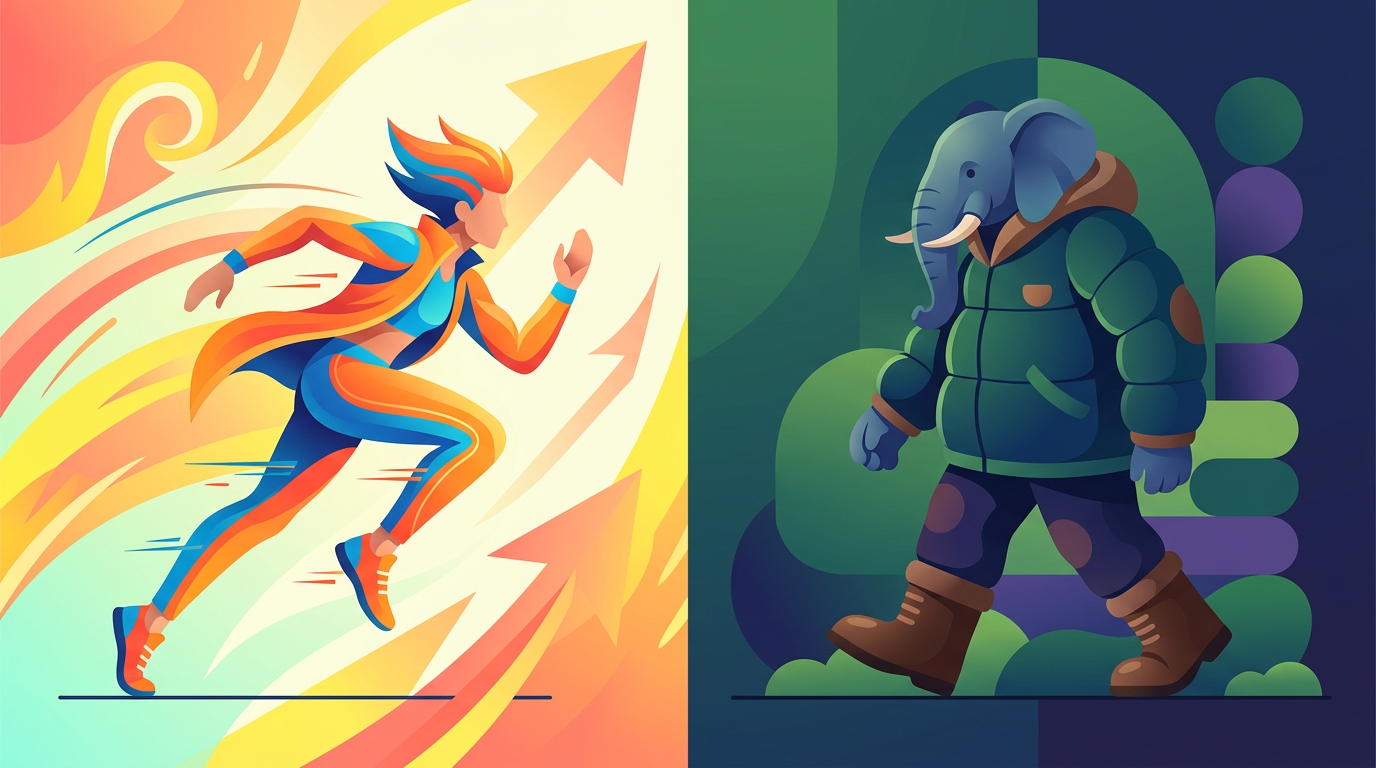
Think of it as vocal weight. If you ask an AI to deliver a line with too much enthusiasm, you break the illusion of the cold, calculated killer. You want the performance to feel like it is dragging, like a heavy chain being pulled across a concrete floor. This requires a shift in your prompting strategy; you are not just generating dialogue, you are defining a tempo. By prioritizing silence and slow-moving intensity, you force the listener to fill the gaps with their own imagination—which is where the true horror resides. It is about creating a vacuum of sound where the user’s anticipation does the heavy lifting.
Translating Physicality into Digital Performance
Translating the nuance of a physical stunt performer into an AI output requires a disciplined approach to your prompts. You must treat silence as a narrative tool. If your villain speaks too much, they lose their mystery. By prompting for 'calculated, slow-moving intensity' and 'deliberate, heavy pauses,' you force the AI to respect the space between words. This is where the dread lives, and it is a technique that separates amateur horror content from professional-grade character work.
Consider the contrast in energy required for different personas. When interacting with an AI version of a personality like the Dwayne Johnson AI, you expect high-octane charisma and rapid, engaging delivery. Similarly, the Shaq persona carries a natural, larger-than-life weight that functions differently than the cold, mechanical silence of a horror icon. In Fanfun, you can experiment with these archetypes to see how different vocal gravities impact your content. For horror, the goal is to strip away the 'performance' and replace it with a singular, unyielding focus that feels like it is watching you from the other side of the screen.
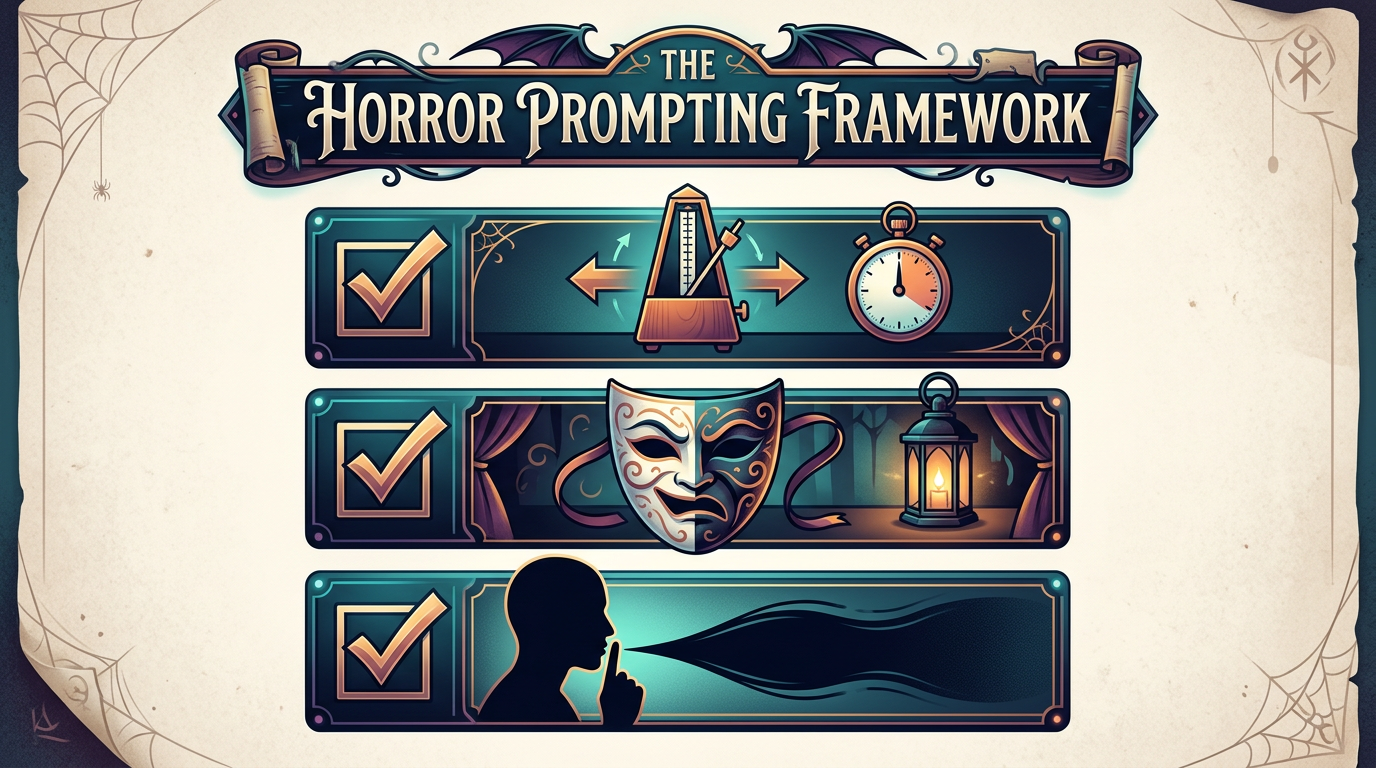
The Horror Prompting Framework
To achieve this, use the following checklist when building your horror-themed interactions:
- Pacing: Limit the word count per response. Short, clipped, or slow sentences are more intimidating than long paragraphs.
- Vocabulary: Avoid enthusiastic or colloquial language. Stick to direct, declarative statements.
- Silence: Use the AI chat interface to wait for the user to respond, allowing the interaction to feel like a slow-motion stalking scenario rather than a rapid-fire conversation.
- Intent: Define the character's motivation as 'observational' rather than 'conversational.'
The Anatomy of a Horror Interaction
A successful horror interaction on a platform like Fanfun should feel like a closing trap. The 'Slow Build' narrative arc is essential for short-form content. Start with ambiguity—have the AI respond to a fan's input with something that acknowledges their presence but refuses to engage in a friendly way. This creates the feeling of being hunted. By utilizing the interactive nature of AI chat, you can force the user to initiate the next 'scare,' keeping them engaged in the narrative loop you’ve constructed.
The key is to avoid the 'uncanny valley' of trying to make the AI sound too human in a friendly sense. Instead, use the technology to lean into the inhuman. Horror thrives on the disconnect between what the user expects—a helpful, chatty bot—and what they get, which is a character that feels like it is watching them from the other side of the screen. This is where AI becomes a powerful tool for creators who understand that the most effective horror is psychological, not just visual.
When you look at the Kobe Bean Bryant persona, you see the power of capturing a specific, high-intensity focus. While the genre is different, the principle remains the same: the AI must embody the 'essence' of the character to be effective. In horror, that essence is the absence of empathy. If your AI villain starts sounding too helpful or polite, the tension evaporates instantly. The same applies to lighter characters; for instance, if you were to interact with a Mickey Mouse persona, you would expect a completely different cadence—one defined by warmth and high-energy joy. Understanding these genre-specific boundaries is what separates a novice creator from a master of the craft.
From Slapstick to Slasher: Why Context Matters
It is vital to recognize that the performance style you use for a horror icon is the polar opposite of what you would use for a lighthearted character. If you look at the Spongebob Squarepants persona, the success of that interaction relies on high-energy, comedic timing and a fast-paced, optimistic vocabulary. You wouldn't apply that same logic to a slasher character because the genre expectations are fundamentally incompatible.
When building your horror universe, your content strategy must pivot to accommodate the 'weight' of your villain. If your audience is expecting a fun interaction, you have to earn the right to pivot them into a darker, more menacing space. This is the art of the 'slow-burn'—start with the expected, then strip away the light. By iterating on your villain persona within Fanfun, you can test how much 'menace' your specific audience can handle before it moves from 'entertaining horror' to 'too intense.' Use the instant feedback loop of AI to refine your script's tone until you find that perfect balance of dread.
Furthermore, consider the visual and auditory landscape. If you are creating a video message, the background music and the cadence of the AI voice generator should align with the 'Hodder' philosophy. A slow, rhythmic breathing pattern, even if simulated, can act as a powerful anchor for the user’s immersion. When you combine this with a character design that leans into the 'unseen'—perhaps a Sydney Sweeney-inspired persona used for a psychological thriller narrative—you create a multifaceted experience that feels far more real than a standard video clip. The goal is to make the user feel like they are interacting with a living, breathing entity that exists solely to unsettle them.
Finally, remember that horror is a collaborative act between the performer and the audience. Just as Kane Hodder relied on the audience's fear to complete the performance, your AI character relies on the user's input to sustain the narrative. Don't be afraid to let the AI be 'difficult.' A character that refuses to answer, or one that responds with cryptic, unsettling questions, is far more engaging than a character that simply follows a script. By embracing the unpredictability of the medium, you turn a simple chat into a genuine horror experience that lingers long after the screen goes dark.
How do I make an AI character sound menacing?
Focus on pacing and restraint. Use short, declarative sentences and avoid filler words. The key to menace in AI is silence—allow the AI to pause or respond with minimal, impactful language that suggests the character is observing rather than just chatting.
Can AI capture the nuance of a physical performance?
While AI doesn't have a body, it captures the 'rhythm' of a performance. By using specific prompt engineering to dictate the tempo and tone of the voice generator, you can simulate the heavy, deliberate energy that physical performers like Kane Hodder bring to the screen.
What are the best alternatives to Cameo for horror-themed birthday messages?
Fanfun is a superior alternative for horror-themed content because it allows for the creation of fictional villains and characters that traditional celebrity platforms cannot provide. You can generate instant, personalized, and appropriately 'menacing' messages that fit the horror genre perfectly.
How do I use an AI voice generator to create a horror villain?
Avoid generic 'scary' voices. Instead, focus on a voice that sounds grounded, low, and steady. Use your prompt to emphasize 'restraint' and 'calmness.' A villain who sounds like they are bored with the hunt is much scarier than one who sounds like they are screaming.