The Charlie St. Cloud Archetype: Why Tyler Barnhardt’s Intensity is the New Blueprint for Modern Dramedy
Tyler Barnhardt has defined a new era of the brooding, high-stakes antagonist. Here is how creators can harness that specific emotional intensity for their own digital storytelling.

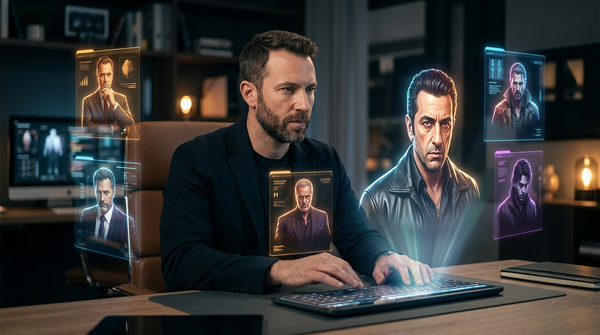
In the rapidly evolving landscape of digital storytelling, the most compelling performances are no longer defined by volume or high-octane energy. Instead, they are defined by a quiet, simmering volatility. Actors like Tyler Barnhardt have mastered the art of the 'slow burn,' utilizing micro-expressions and deliberate pauses to convey a depth of internal conflict that immediately hooks an audience.
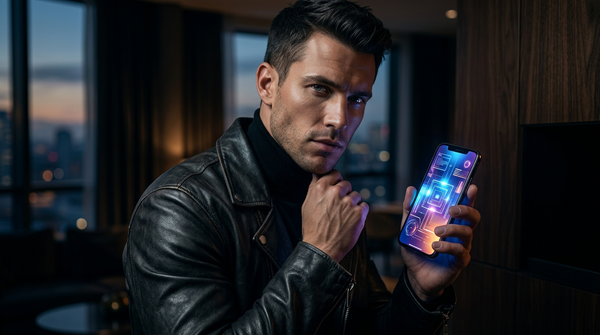
This shift toward the brooding, troubled protagonist—often referred to as the Charlie St. Cloud archetype—represents a move away from the performative shouting of early influencer culture. For content creators, this archetype offers a powerful tool for building narrative tension in short-form media, where every second must count toward establishing a character’s emotional stakes.
Decoding the Barnhardt Method: The Art of the Slow Burn
Modern dramedy has moved away from the loud, over-the-top antics of the early 2000s in favor of something far more volatile: the slow burn. At the center of this shift is the performance style of actors like Tyler Barnhardt, who master the art of unspoken tension. This method relies on micro-expressions—a flicker of doubt in the eyes or a deliberate, heavy silence before a line—that suggests a world of internal conflict. It is a performance style that balances being deeply flawed with being universally relatable, making it perfect for short-form content where time is limited but emotional stakes must be high.

For content creators, the 'Charlie St. Cloud' archetype—or any variation of the troubled, intense youth—is a goldmine for engagement. It creates a vacuum of curiosity; the audience stays because they want to know what the character is thinking, not just what they are doing. Mastering this requires moving away from performative shouting and toward deliberate, restrained vocal cadences that command attention through silence rather than volume. When you force the viewer to lean in to hear a whisper or catch a subtle shift in tone, you have effectively hijacked their attention span.
The Psychology of the Brooding Protagonist
Why does the 'troubled teen' archetype resonate so deeply in the current digital landscape? It comes down to the subversion of expectations. In a world of fast-paced, high-energy content, a character who refuses to speak or responds with a calculated, low-register cadence stands out as an anomaly. This archetype thrives on the 'Barnhardt Method,' which prioritizes the weight of the words over the speed of the delivery. By slowing down the tempo, the creator forces the viewer to lean in, creating an intimate connection that feels more 'real' than the standard influencer persona.
This approach is fundamentally about control. When you are editing a narrative short or a character-driven TikTok series, you are essentially acting as the director of a mini-film. You need to manage the pacing of your character’s voice to ensure that every pause feels intentional. This is where modern tooling shifts from a novelty to a necessity. You are no longer just editing clips; you are sculpting the emotional landscape of your character. By intentionally choosing a voice that sounds weary, thoughtful, or guarded, you inform the audience about the character's history before they even finish their first sentence.
Synthesizing Intensity: Bringing Character Archetypes to Life
The transition from passive fandom to active creation has fundamentally changed the creator economy. Previously, you were limited to the talent you could cast or the voice you could mimic. Today, technology allows you to synthesize specific emotional archetypes directly into your projects. Using an advanced AI voice generator, you can capture the 'troubled youth' aesthetic by layering grit and hesitation into your scripts, providing a level of polish that was once reserved for high-budget studio productions.
At Fanfun, we see this daily: creators are no longer waiting for a casting call to manifest their vision. By leveraging AI-driven personas, you can experiment with these archetypes in real-time. Whether you are building a narrative series or a high-intensity short, the ability to iterate on your character’s 'voice'—their specific rhythm and emotional weight—allows you to find the perfect fit for your story without the logistical nightmare of traditional production. You can test a line read, adjust the intensity, and refine the subtext in minutes, not days. This agility allows for a 'writer's room' mentality where you can pivot the mood of a scene instantly based on what resonates with your audience.
The Hierarchy of Intensity: From Athletes to Archetypes
Not every project calls for the same level of intensity. Understanding the spectrum of your digital cast is key to maintaining audience interest. You might be aiming for the high-octane charisma of a Dwayne Johnson Ai personality, which brings an immediate, larger-than-life energy to a promo, or you might need the grounded, calculated silence of a modern dramedy lead. Choosing the right archetype prevents tonal whiplash in your content.
| Archetype | Core Energy | Best For |
|---|---|---|
| The Athlete | High-octane, charismatic, motivational | Promos, viral memes, energetic hooks |
| The Icon | Legendary, authoritative, timeless | Educational content, storytelling |
| The Antagonist | Restrained, brooding, volatile | Narrative shorts, character-driven dramedy |
As shown in the table above, the 'Antagonist' or 'Troubled Youth' style requires a completely different approach to pacing than the 'Athlete.' When you use a resource like the Shaq persona, you are leaning into scale and presence; when you lean into the Barnhardt-style archetype, you are leaning into subtext and vulnerability. Similarly, honoring the legacy of figures like Kobe Bean Bryant requires an understanding of gravitas that differs vastly from the whimsical, high-pitched energy found in characters like Spongebob Squarepants. Mixing these archetypes creates a dynamic feed that keeps viewers guessing.
Practical Application: Building Your Own Digital Cast
To integrate these archetypes, start by identifying the core emotion of your content. If your script is about a high-stakes standoff, you need a voice that values the pause. If your content is meant to be hyper-expressive and chaotic, you might look at the polar opposite: a character whose vocal range is designed for kinetic, high-energy delivery. The mistake most creators make is trying to force a 'moody' script through an 'energetic' voice profile. Instead, let the AI iterate on the cadence until the tone matches the subtext.
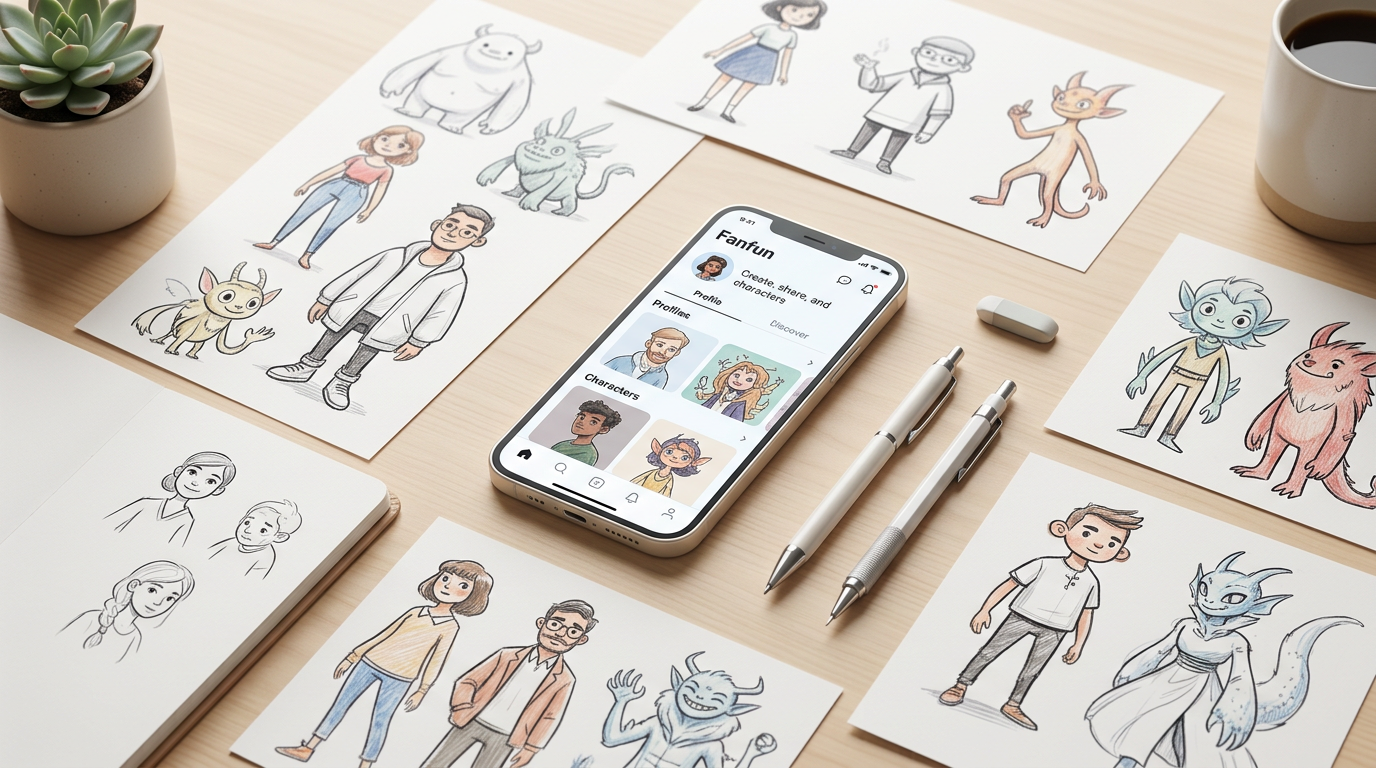
Consider your casting choices as carefully as you would for a feature film. If you are building a story around a complex, modern lead, you might look at the nuance of a Sydney Sweeney-inspired persona, which can pivot between vulnerability and sharp wit. For younger, more nostalgic audiences, integrating an iconic character like Mickey Mouse can provide a familiar anchor that allows you to experiment with more experimental, darker narrative themes. The contrast itself is what keeps the viewer engaged. By juxtaposing the familiar with the unexpected, you create a unique brand voice that is distinctly yours.
The Three-Step Iteration Process
- Identify the Subtext: Is your character hiding something? If yes, keep the vocal delivery tight and measured.
- Select the Profile: Choose a persona that aligns with the intended vulnerability, not just the volume.
- Refine the Cadence: Use the AI tool to experiment with different speeds—the 'slow burn' often requires shorter, punctuated sentences rather than long, flowing paragraphs.
Beyond the Screen: Why Interactive Personas Matter
The future of content isn't just about watching a video; it is about the two-way interaction. We are moving toward a landscape where your audience can engage with your characters in real-time. This shifts the creative burden from simply 'making content' to 'building a world.' By utilizing fictional characters alongside grounded, intense archetypes, you gain a level of creative freedom that real-world celebrity constraints often prohibit. The next wave of viral success won't be dictated by trends, but by the depth of your character-first, high-substance writing. When you treat your AI personas as legitimate cast members, your audience stops seeing them as tools and starts seeing them as characters they can truly invest in. This investment is the bedrock of long-term community building, turning casual viewers into dedicated fans who return for the character, not just the algorithm.
How can I use AI to create content in the style of Tyler Barnhardt?
Focus on 'restrained intensity.' Use AI voice tools to generate scripts with deliberate pauses and a lower, more measured vocal register rather than high-energy, rapid-fire delivery.
What are the best alternatives to Cameo for character-based content?
Platforms like Fanfun offer a scalable alternative by providing access to a wide library of AI personas, including fictional characters that traditional services cannot offer, allowing for instant, high-quality content creation.
How do I choose the right AI persona for my TikTok or YouTube project?
Determine the 'core emotion' of your script. If your content is high-energy, look for charismatic icons. If your content is narrative-heavy and moody, look for archetypes that prioritize vocal restraint and subtext.
Can I use AI to create interactive characters for my audience?
Yes, modern AI platforms now support two-way interactive conversations, allowing you to build characters that your audience can chat with, deepening their engagement with your brand or story.