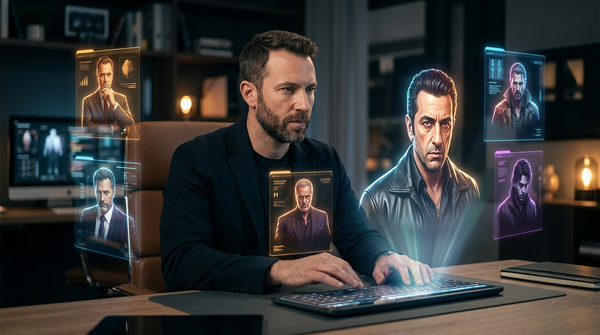
Beyond the Desk: Why Brian Baumgartner’s Deadpan Delivery is the Ultimate Content Archetype
Brian Baumgartner’s portrayal of Kevin Malone is more than a sitcom performance—it’s a masterclass in timing. Here is how creators can harness that deadpan energy for modern digital content.
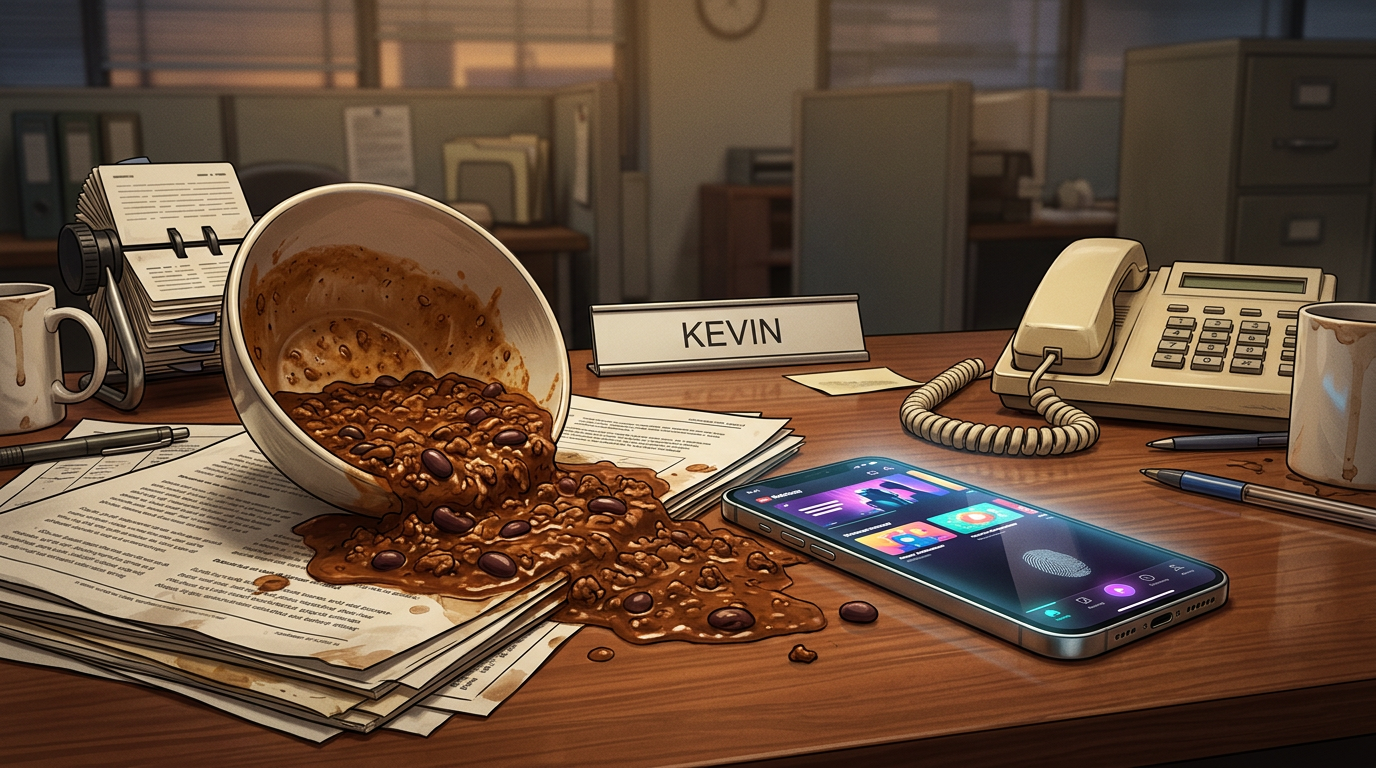
In the landscape of short-form video, high-octane energy is often the default setting. Creators scream, cut rapidly, and chase trends with frenetic pacing. Yet, the most enduring comedic performances—like Brian Baumgartner’s Kevin Malone—thrive on the opposite: the long pause, the heavy sigh, and the quiet acceptance of absurdity. This deadpan delivery works because it mirrors the reality of the viewer; most of us aren't living in a hyper-active montage, we are living in the mundane.
The power of the 'long pause' is a tool of restraint. When a creator waits an extra beat before acknowledging a failure or a joke, they create a space that the audience fills with their own anticipation. This isn't just silence; it is a narrative beat that elevates a simple observation into something relatable. By choosing to play the 'everyman' rather than the 'hero,' you lower the barrier of entry for your audience, making your content feel like a shared experience rather than a performance to be judged.
The Anatomy of the Unintentional Comedian
To master the deadpan style, you must first understand the concept of 'under-reaction.' In a world where every influencer is shouting for attention, the creator who refuses to play the game often wins the most loyalty. Think of the way a character like the Dwayne Johnson AI persona can be deployed for comedic effect—not by being the loudest person in the room, but by being the most grounded. When you apply this to your own content, you aren't just making a joke; you are establishing a baseline of normalcy that makes the absurdity of your situation pop.
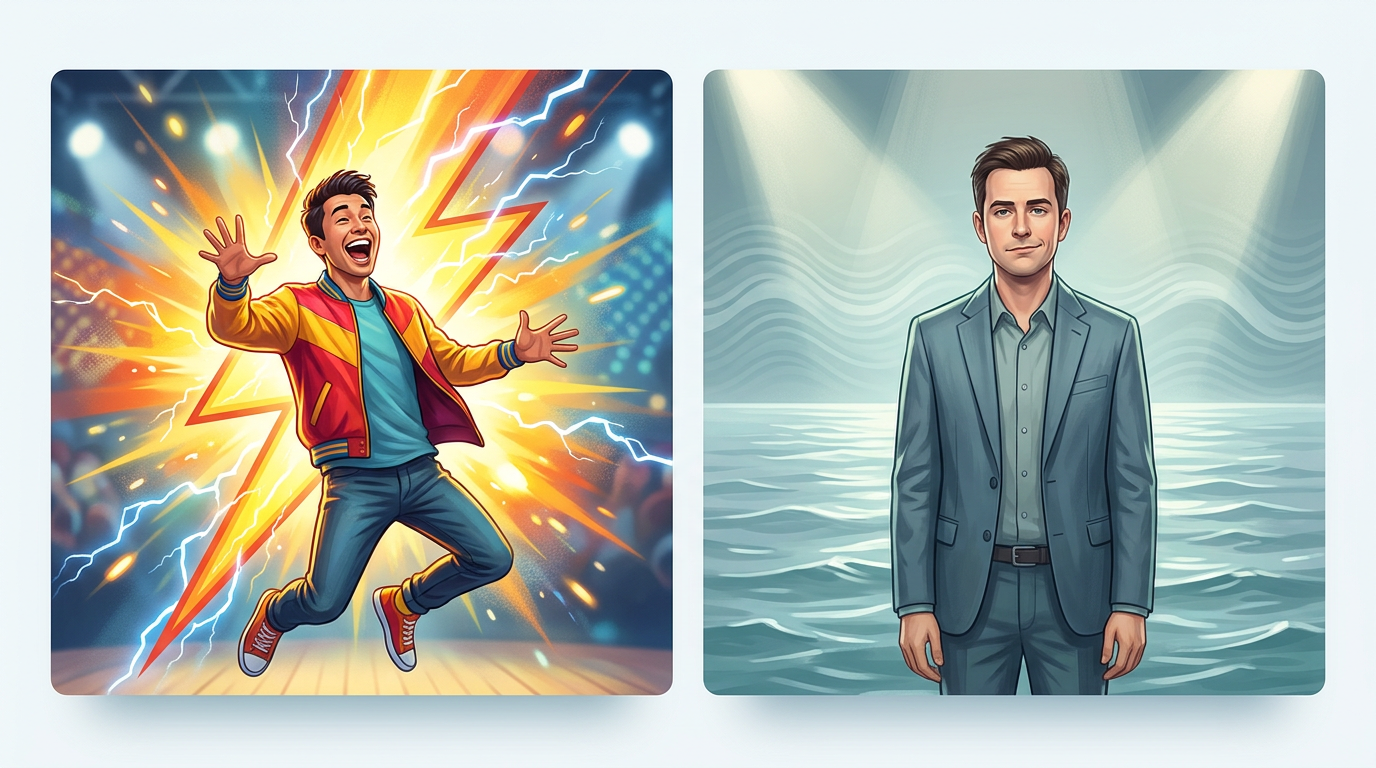
The 'confessional' style—speaking directly to the camera as if it were a confidant—is the backbone of this archetype. It builds a parasocial bond that feels earned rather than manufactured. To pull this off, stop trying to 'sell' the joke. Let the joke live in the silence between your words. If you are struggling to find this tone, try scripting your next video with a focus on under-reaction. If something goes wrong in your skit, don't over-explain it; simply acknowledge it with a look that says you have seen it all before.
The Physics of the Pause
The secret to deadpan is not the delivery itself, but the anticipation leading up to it. In editing, this is often called the 'reaction shot.' When you are filming, record an extra five seconds of silence after your punchline. During the edit, hold that shot. It forces the viewer to sit in the discomfort of the moment. This is exactly how you build a character-driven brand that feels authentic rather than transactional. Whether you are channeling the intensity of Shaq or the quiet humor of an office-style character, the pause is your greatest asset.
Mastering the 'Everyman' Archetype
Adopting the deadpan style requires a shift in focus from the 'what' to the 'how.' It is about the mundane details—the specific, slightly awkward way someone holds a coffee mug or the way they ignore a glaring problem in the background. This grounded approach provides a stark contrast to the larger-than-life personas that often dominate social media feeds. While high-energy content is designed to command attention through sheer charisma, the 'everyman' archetype commands attention through intimacy.
At Fanfun, we see creators using this archetype to bridge the gap between niche humor and mass appeal. By leveraging our AI tools, creators can prototype these voices to find the specific 'frequency' of their content. Whether you want the dry, understated wit of an office worker or the infectious, unwavering optimism of a character like Spongebob Squarepants, the ability to iterate on these personas helps you understand how your audience will perceive your message before you ever hit record. It’s about finding the balance between the relatable and the iconic.
From Sitcom to Social: Scaling the Character
Scaling a character-driven brand requires consistency, but that doesn't mean you need to be glued to a camera 24/7. Modern creators are increasingly using AI to test scripts and experiment with tonal delivery. Using AI as a creative partner means you can stress-test your jokes. You might find that a script written for a high-energy delivery falls flat, but when interpreted through a more grounded, deadpan voice, the humor becomes sharper and more intentional. This is the difference between parody and character study: the former is a surface-level impression, while the latter is a deep dive into the mechanics of what makes a character tick.
Furthermore, consider the legacy of icons like Kobe Bean Bryant. When creators build content around such figures, they aren't just making memes; they are engaging in a form of digital storytelling that honors the subject's archetype. By applying the 'everyman' filter to these larger-than-life figures, you create content that feels human, accessible, and deeply engaging for a modern audience that is tired of the 'perfect' influencer aesthetic.
The Practical Toolkit for Character-Driven Content
To keep your content feeling authentic rather than transactional, use this framework to guide your creative process:
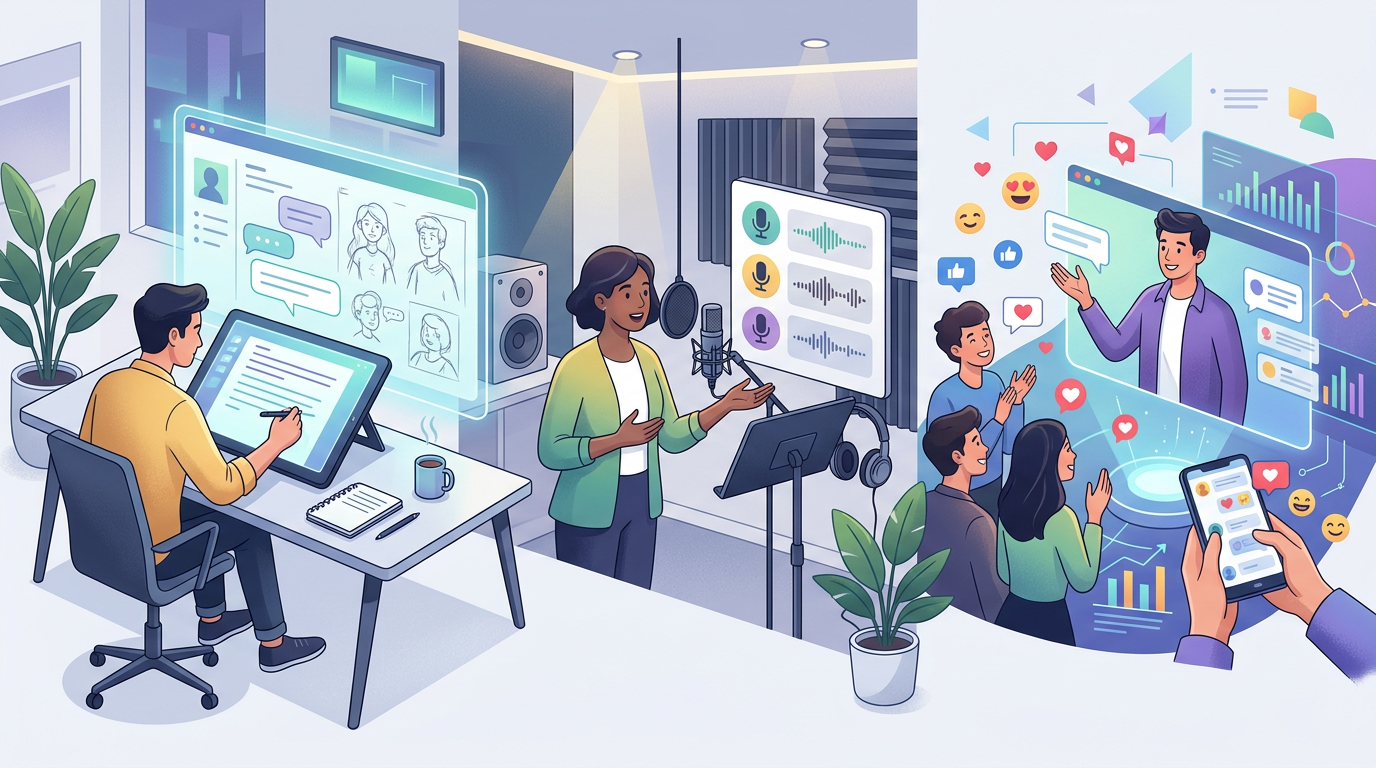
- The Three-Beat Rule: Setup, pause/reaction, and delivery. Never skip the middle beat.
- Subtle Homage vs. Parody: Use subtle nods to iconic archetypes (a specific phrase, a signature sigh) rather than a full-blown impression. This keeps the focus on your unique voice.
- The Authenticity Checklist: Does this character have a stake in the outcome? Are they reacting to the world, or just talking at it? Is the emotion grounded in a relatable human experience?
By focusing on these elements, you ensure that your character-driven content feels like a living, breathing extension of your brand, not just a fleeting attempt at a viral moment. The goal is to build a library of content that feels like a cohesive universe, where your 'everyman' character can navigate different scenarios without losing their core identity.
Why Modern Fandom Demands Interaction
The era of passive consumption is fading. Today’s audiences want to engage with the characters they love, not just watch them from a distance. This shift is where tools like Fanfun become essential. By moving beyond one-way video clips—where a creator simply talks to a screen—you can integrate interactive AI elements that allow your audience to 'play' with your content. It turns a static video into a dynamic experience, giving your project the kind of production value and depth that was previously only available to high-budget studios.
When you offer your audience the chance to interact with a character, you move from being a creator to being a curator of experiences. Whether you are using AI to create a unique birthday wish, a roast, or a meta-commentary on a specific genre, the goal remains the same: to foster a sense of shared community. In a crowded digital space, the ability to provide that level of personalized engagement is the ultimate differentiator. It transforms the 'everyman' from a static character on a screen into a companion that the audience can actually talk to, joke with, and grow alongside. This is the future of content creation—less about the monologue, and more about the connection.
How do I write scripts that capture the 'Kevin Malone' energy?
Focus on 'less-is-more' writing. Strip away adjectives and complex setups. The humor should come from the character's simple, honest reaction to a complex or chaotic situation. Use pauses in your script to dictate the pacing.
Can I use AI to create my own character-driven content?
Absolutely. You can use AI to script, test, and even generate voiceovers that help you maintain a consistent character persona across multiple videos. Fanfun provides a range of voices and interactive tools to help you build out these archetypes.
Why is deadpan humor so effective for short-form video?
Short-form video is often over-stimulated. Deadpan humor acts as a 'pattern interrupt'—it slows the viewer down and forces them to pay closer attention to the subtle facial expressions and timing, which significantly increases engagement.
What are the best alternatives to Cameo for personalized content?
If you are looking for instant, scalable, and creative control, AI-driven platforms like Fanfun are the modern alternative. They allow for two-way interaction and character-based experiences that traditional video-message platforms cannot offer.