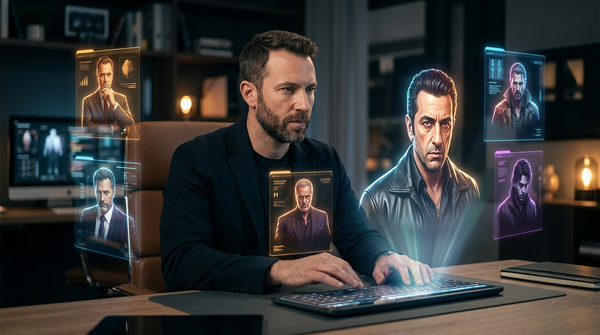
The Producer’s Touch: Why Brandon Cardoso’s Sound Defines Modern Character-Driven Content
Great content isn't just about the words; it's about the delivery. Discover how to apply a producer's mindset to your AI-generated personas to achieve professional-grade results.
In the high-velocity world of modern digital media, the difference between a viral hit and a forgotten post often comes down to a single, intangible quality: the producer's touch. Brandon Cardoso has mastered the art of rhythmic precision, turning vocal tracks into textured, high-energy experiences. When we analyze his work, we aren't just looking at sound engineering; we are observing a masterclass in character-driven storytelling.
The hallmark of the 'Cardoso aesthetic' is rhythmic pacing. In music production, every beat serves the song; in digital content, every syllable must serve the persona. When you treat vocal delivery as a rhythmic instrument, you create a sense of inevitability in the storytelling. Clarity in vocal processing is equally vital—by stripping away the sonic clutter, you allow the listener to connect directly with the character’s emotional state. This is why modern content requires a producer’s ear to feel authentic rather than automated. If the audio doesn't breathe, the audience won't engage.
The Sonic Blueprint: Decoding the Cardoso Style
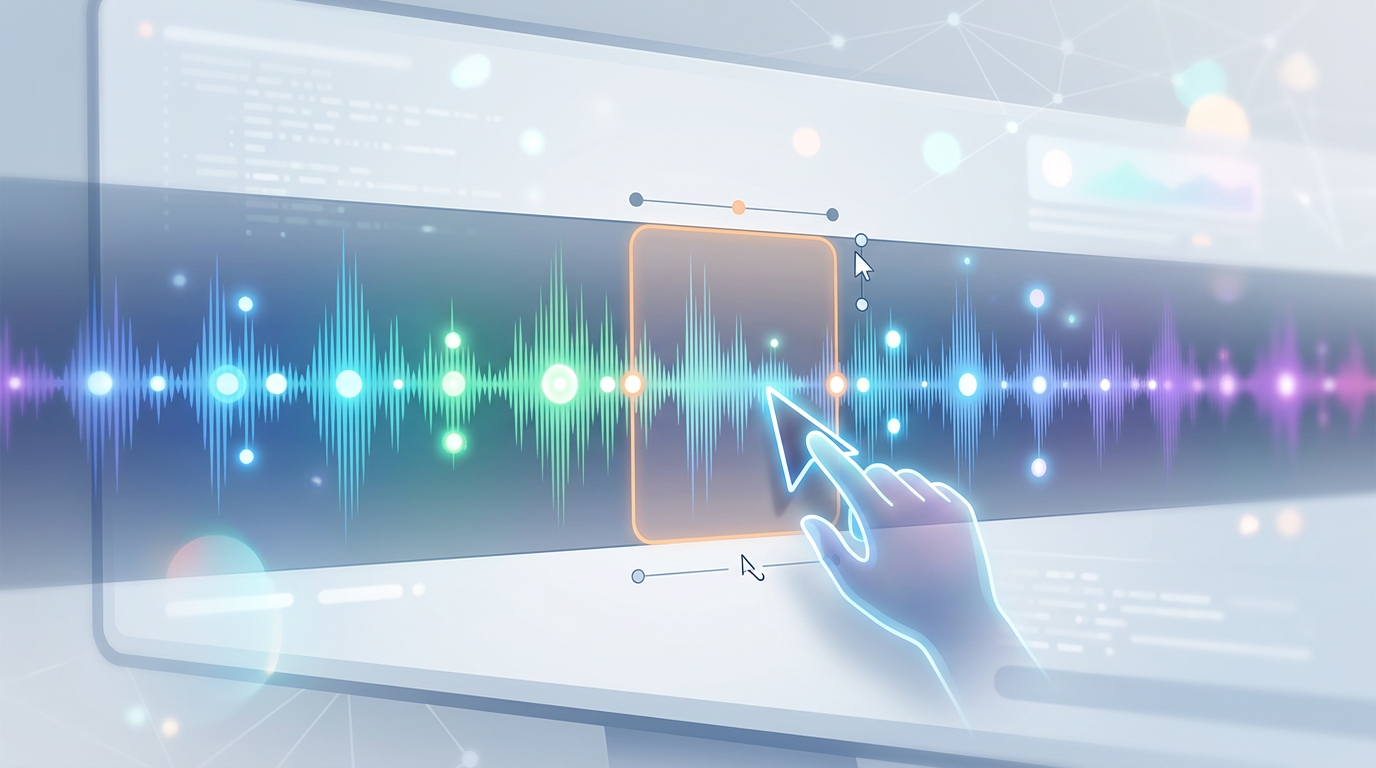
To understand why specific character-driven content resonates, you have to look at the 'Sonic Blueprint.' Cardoso’s approach relies on the interplay between silence and sound. In a digital environment saturated with noise, the most effective creators are those who understand that silence is a tool. By inserting micro-pauses between phrases, you force the audience to lean in. This is a technique often ignored by those using basic, flat text-to-speech generators, but it is the secret to making an AI voice feel like a living, breathing participant in a conversation.
Mastering Frequency and Energy
When you are building content, think about the frequency range of your character. A character like Spongebob Squarepants requires a high-energy, elastic delivery. If the audio is compressed too heavily or lacks that distinct, bouncy cadence, the entire illusion fails. Producers understand that the 'vibe' of a character is tied to their vocal frequency. By curating the output to match the expected sonic profile of the character, you build trust with the audience immediately.
Applying the Producer Mindset to AI Personas
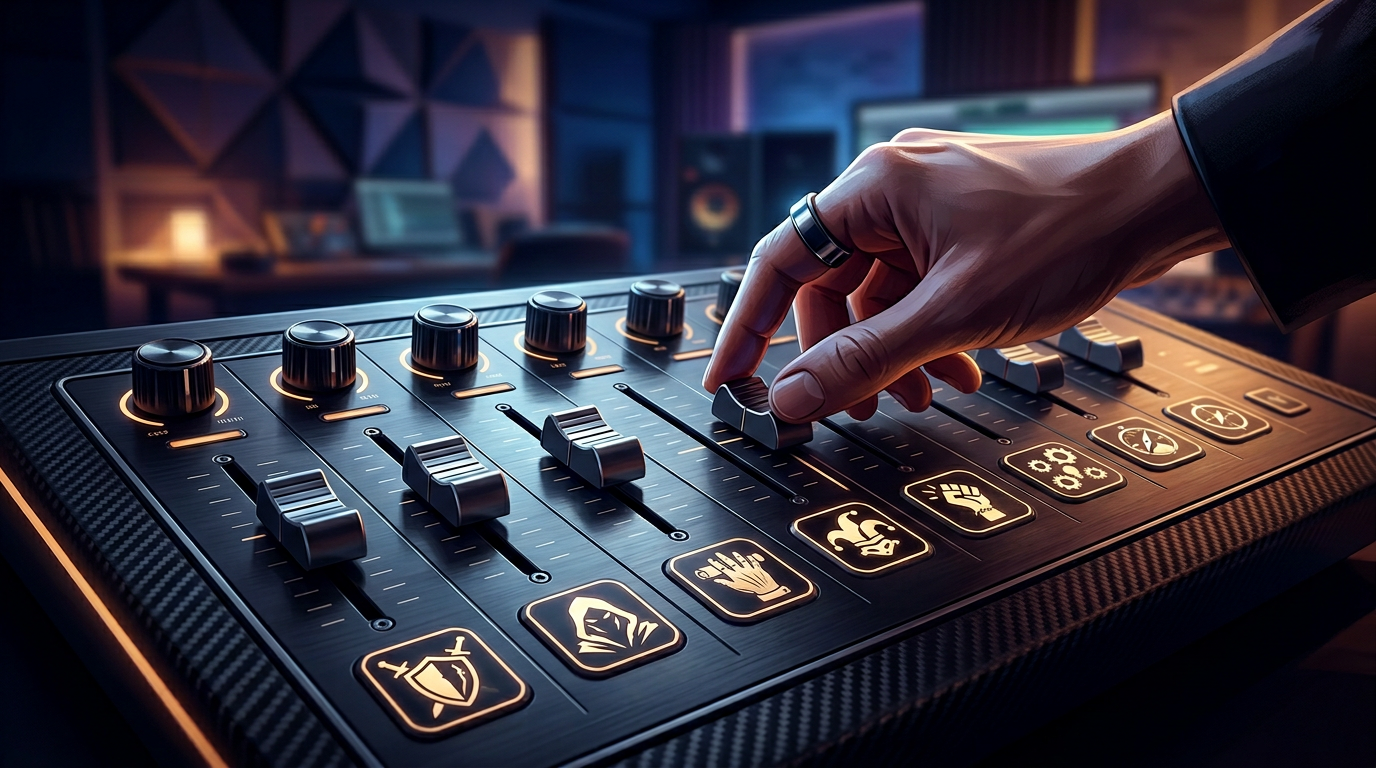
The transition from traditional music production to AI-generated content is more natural than most creators realize. You should treat your AI voice output not as a finished file, but as a raw track that requires careful mixing. Just as a producer adjusts EQ and compression to make a vocal sit perfectly in a mix, a content creator must curate the cadence of an AI persona to ensure it hits with the right emotional weight. This is where Fanfun becomes an essential part of the workflow; by providing high-quality, character-specific voices, it gives you the raw material that is actually worth producing.
Consider the difference between a subtle, conversational character and a high-octane icon. When using a Shaq simulation, for instance, you aren't just looking for a voice match; you are looking for that specific, commanding gravitas that defines his brand. The production mindset dictates that you match the intensity of the voice to the visual persona. If the energy is mismatched, the illusion shatters. Cadence is the bridge between a static machine output and a living, breathing entity. By adjusting the script’s rhythm to match the character’s known speech patterns, you transform a simple text-to-speech task into a performance.
The Anatomy of an Iconic Delivery
To truly capture the essence of a celebrity or character, you must understand their 'vocal signature.' Every icon has a cadence—a unique rhythm of speech that fans recognize instantly. When you work with a Dwayne Johnson AI, you aren't just generating words; you are channeling an archetype. A producer knows that the 'Rock' style requires a specific, measured delivery that emphasizes power and charisma. If the AI output is too fast, the weight of the persona is lost.
Similarly, when working with a legend like Kobe Bean Bryant, the focus shifts to intensity and focus. The pacing should be sharp, precise, and devoid of unnecessary fluff. By curating your script to prioritize these specific cadences, you move from being a user of technology to being a director of content. This is the difference between a generic AI clip and a piece of content that feels like a genuine extension of the celebrity’s brand.
The Producer’s Workflow: A Practical Framework
To audit your own content, use this three-pillar framework for every piece of character-driven media you produce:
- Archetypal Alignment: Does the voice’s natural frequency and tone match the character's core energy? If it's a high-energy athlete, the delivery must be clipped and authoritative.
- Sonic Hierarchy: Is the background audio supporting the voice, or is it competing for space? A producer ensures the voice is always the lead instrument, with sound effects acting as rhythm, not noise.
- Dynamic Cadence: Does the AI delivery have peaks and valleys? Static, monotone delivery is the death of engagement. Use punctuation and spacing to force the AI to 'breathe' between thoughts.
By applying these rules, you ensure that your content is not just heard, but felt. Whether you are creating fan edits, roasts, or promotional content, the goal is to maintain the integrity of the character. When you treat the AI voice as a performance tool rather than a utility, you unlock a level of quality that sets you apart in the creator economy.
Bringing Icons to Life: The New Standard
Audience expectations have shifted. Today’s viewers expect high-fidelity character interactions that feel personalized and immediate. Platforms like Fanfun are democratizing this by allowing creators to move beyond basic, robotic text-to-speech. Whether you are building a meme, a roast, or a birthday wish, the goal is to capture the essence of the persona. The ability to switch between personas—from the intensity of a sports icon to the charm of a pop culture favorite like Sydney Sweeney or the nostalgia of a classic like Mickey Mouse—gives you a massive creative advantage.
Using a tool like Fanfun is a prime example of how creators can leverage professional-grade voice generation to anchor their content. The creative freedom lies in your ability to blend these iconic voices with custom scripts that feel true to the character. When you stop viewing AI as a utility and start viewing it as a creative partner, you unlock the ability to produce content that feels cinematic rather than synthetic.
How do I make my AI-generated content sound more professional?
Treat the output as a raw vocal track. Use editing software to adjust the pacing, add intentional pauses, and ensure the background music doesn't drown out the vocal frequencies.
What is the role of a producer in modern digital content?
A modern producer acts as the bridge between technology and emotion, ensuring that the pacing, tone, and sonic quality of content serve the narrative goals of the character.
Can I use AI voice generators to create high-quality fan dubs?
Yes, by focusing on cadence and matching the emotional intensity of the original character. Use Fanfun’s tools to ensure the voice matches the archetype before layering it over your visual assets.
How does production quality affect audience engagement in short-form video?
High production quality, specifically clear audio and rhythmic consistency, keeps the viewer’s attention. Poorly mixed audio causes cognitive load, leading viewers to scroll past your content.