Beyond the 'Free' Trap: What Actually Matters in an AI Voice Generator
The 'free' AI voice market is flooded with tools that limit your creativity and professional potential. Here is how to distinguish between disposable novelty and high-performance creative assets.
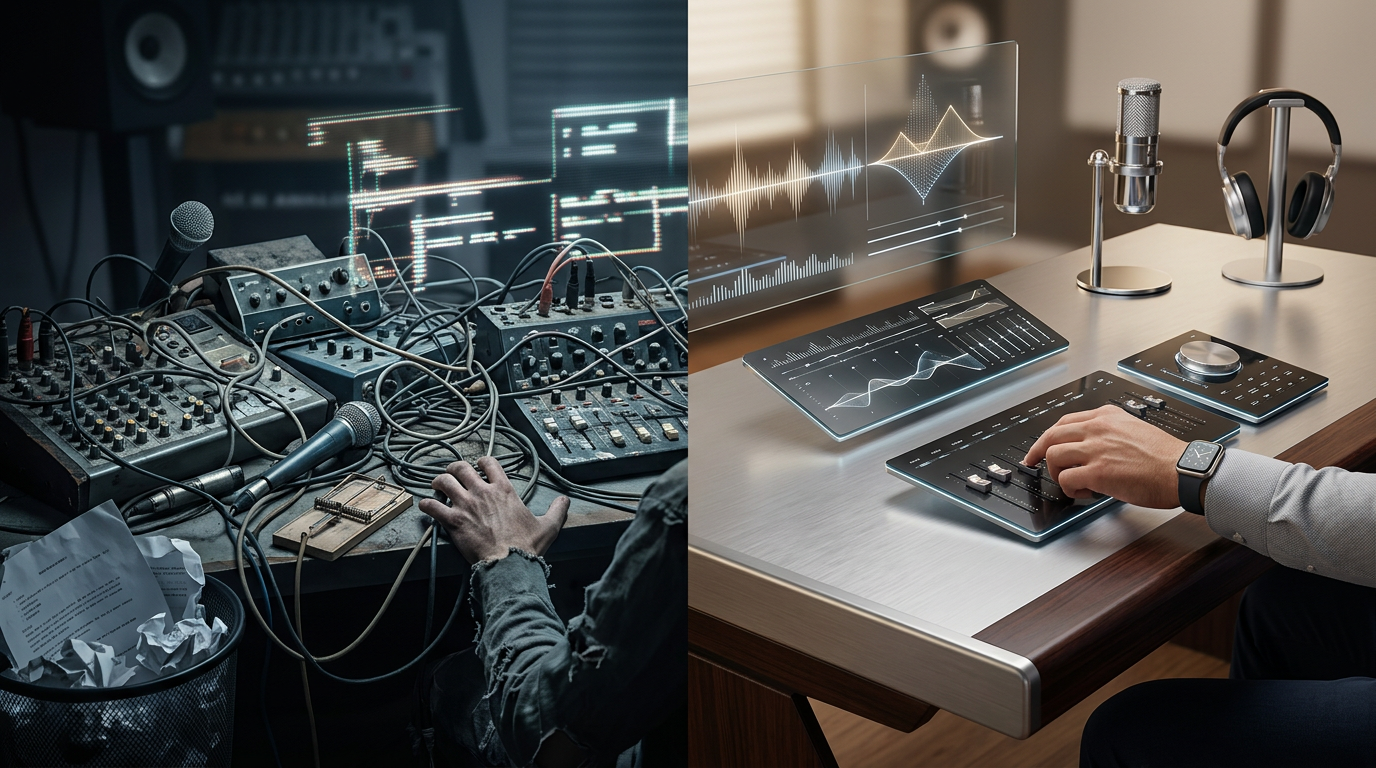
The internet is currently saturated with "free" AI voice generators that promise the world but deliver a headache. For the average creator, the allure of a zero-cost tool is understandable, but the reality is often a classic bait-and-switch. These platforms frequently lure users in with a handful of generic, robotic-sounding voices, only to hit them with aggressive watermarks, restrictive usage rights, or paywalls the moment you need to export a file for a professional project. The hidden cost isn't just the eventual subscription fee—it’s the hours of wasted time spent trying to make a flat, uninspired voice track sound human.
Authentic content requires nuance, rhythm, and the specific cadence of a recognizable persona. When you rely on low-tier, free tools, you are essentially sacrificing your audience's attention span to save a few dollars, a trade-off that rarely pays off in the long run. Professional content creators understand that their tools are an extension of their brand; using a subpar voice generator is the equivalent of using a blurry filter on a high-definition camera.
The Anatomy of Professional-Grade AI
A truly useful AI voice tool is defined by its utility, not its price tag. The most critical metric for any content creator is "speed to output." In a fast-moving digital landscape, the ability to generate a high-quality, character-accurate clip in minutes—rather than spending hours tweaking parameters in a clunky, free-tier interface—is a competitive advantage. You need a platform that understands the assignment, whether that means capturing the distinct, rhythmic flow of 2Pac or the whimsical, high-energy charm of Mickey Mouse.
Generic text-to-speech engines treat every sentence the same way, ignoring the emotional weight behind the words. A professional-grade AI platform, by contrast, interprets the intent behind the text. It understands that a birthday wish should sound warm and celebratory, while a social media roast requires a sharper, more rhythmic delivery. When you use a platform like Fanfun, you aren't just accessing a voice bank; you are accessing a library of archetypes designed to act, react, and engage. This is the difference between a static file and a dynamic creative asset.
Why Persona Depth Changes the Game
The difference between a viral hit and a forgotten post often comes down to character authenticity. If you are producing content that relies on personality—whether it is a skit, a social media promo, or a fan-led character study—a robotic delivery will undercut your work immediately. The goal is to bridge the gap between a static voice and a living, breathing persona.
Consider the difference in impact when using a tool that understands specific cultural archetypes. If your content strategy involves high-octane, motivational energy, using a Dwayne Johnson Ai interpretation provides an instant layer of authority and recognition that generic voices simply cannot replicate. This is about leveraging the existing equity of a persona to capture attention in the first three seconds of a video. By utilizing The Rock Dwayne Johnson, you are not just adding audio; you are adding a recognizable brand of intensity to your narrative. When you need a specific, nuanced performance, you shouldn't have to settle for the nearest generic equivalent.
Scaling Your Workflow: From Memes to Professional Promos
The shift from casual fan content to professional-grade production requires tools that can scale. If you are building a personal brand, your voice choices become a signature. Practical utility means having the freedom to create what you want without waiting for celebrity availability or navigating expensive booking agencies. Whether you are crafting a birthday surprise, a TikTok skit, or a character-driven narrative, having an instant, reliable, and expressive AI voice generator transforms your workflow.
It moves you from "trying to make it work" to "creating with intent." When you have a library of high-fidelity options, you can experiment with different tones and deliveries without the friction of traditional production. This speed allows for rapid iteration—the hallmark of successful modern content creators who need to keep up with trends in real-time. Consider the Donald Trump AI voice; when used in a timely, satirical context, it provides an immediate engagement boost that generic voices cannot touch. The key is having access to these tools instantly, allowing you to capture the cultural zeitgeist before the moment passes.
The Decision Framework for Serious Creators
Before you commit to a tool, evaluate it against the realities of your workflow. The best choice is rarely the one that claims to be "free," but rather the one that provides the most creative leverage. Professional creators are increasingly moving away from basic, free AI tools toward specialized platforms that offer consistent, recognizable quality.
When evaluating your next AI voice partner, consider this checklist:
- Licensing and Ethics: Does the platform prioritize creator rights and provide clear guidelines on usage?
- Voice Accuracy and Nuance: Does the voice capture the specific energy and personality of the persona, or is it just a flat imitation?
- Speed and Integration: Can you generate, edit, and export your content within a single, streamlined interface?
- Character Variety: Does the library include the specific archetypes that fit your niche, such as high-energy sports figures or beloved pop culture icons?
Aligning yourself with a platform that treats AI voices as curated creative assets—like the range available with a Sydney Sweeney persona—ensures that your content stands out in a crowded feed. Quality, speed, and creative freedom are the pillars of sustainable content creation, and they are worth far more than the temporary convenience of a "free" label. By investing in tools that actually support your creative vision, you ensure that your work remains competitive in an increasingly crowded digital space. Ultimately, the value of your content is tied to the quality of the tools you use. Don't let a "free" price tag dictate the ceiling of your creativity. Instead, focus on building a toolkit that allows for instant, high-fidelity, and emotionally resonant storytelling.
Are free AI voice generators safe to use for commercial content?
Most free AI voice generators have restrictive terms of service that prohibit commercial use, or they lack the necessary licensing to protect you from copyright claims. Always check the platform's terms before using their output for monetization or brand partnerships.
Why do most free AI voice tools sound robotic?
Free tools typically use older, basic text-to-speech models that lack the emotional processing power to replicate human cadence, breath, and inflection. They prioritize generic output over the nuance required for high-quality character expression.
Can I get celebrity voices for free on AI platforms?
High-quality, distinct celebrity voices require significant compute and licensing to get right. Platforms that offer "free" celebrity voices often provide low-fidelity, inaccurate clones that can damage your brand's credibility. Professional platforms provide higher-quality, ethically-managed interpretations.
What is the best alternative to free AI voice generators for creators?
The best alternative is a dedicated AI platform like Fanfun, which offers a curated character library, instant generation speeds, and high-fidelity voice profiles designed specifically for content creators who need professional-grade results without the waiting time of traditional bookings.