
Beyond Siri: Why Static Text-to-Speech is Killing Your Content’s Personality
Default system voices are the hallmark of low-effort content. If you want to stop the scroll, it’s time to move toward high-fidelity, persona-driven AI that offers genuine emotional range.
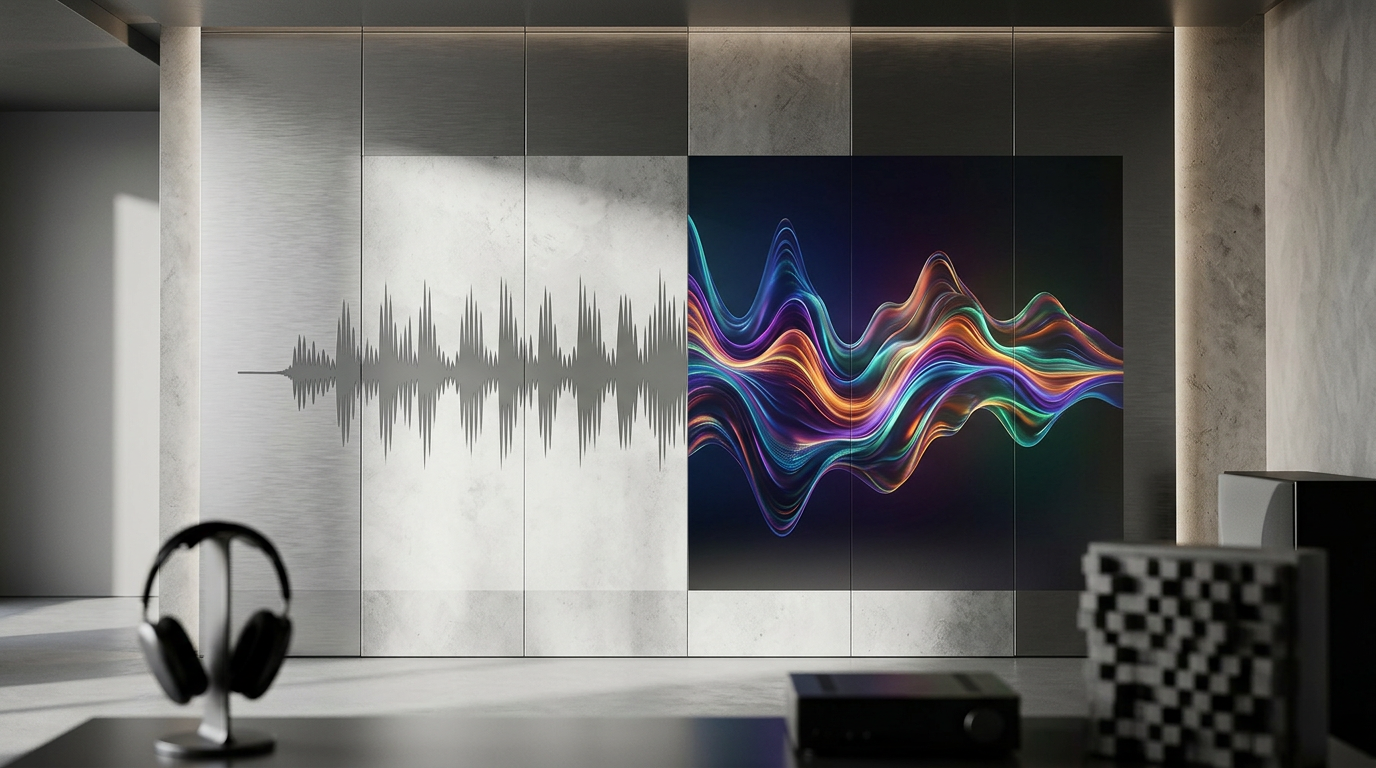
In the rapid-fire environment of social media, your audio is the first signal that determines whether a viewer stays or scrolls. When a user hears the familiar, metallic, and monotone cadence of a default system voice, their subconscious immediately tags the content as low-effort or generic. This is the Siri trap: it creates an uncanny valley where the narration feels technically correct but emotionally vacant, causing viewers to disengage before they even grasp your message.
The disconnect stems from a lack of prosody—the rhythm, stress, and intonation that make human communication compelling. Informational audio requires a specific type of delivery to hold attention, but generic text-to-speech tools lack the ability to adapt to the context of the script. When your voiceover sounds like a system notification, you aren't just losing engagement; you are actively undermining your brand's authority. Storytelling is inherently human, and robotic narration is the antithesis of the connection you are trying to build.
The Siri Trap: Why Default Voices Don't Convert
The primary issue with stock system voices is their predictability. Human speech is messy; we emphasize words, pause for effect, and shift our pitch based on the emotional weight of a sentence. Generic text-to-speech engines operate on a linear path, treating every word with equal importance. This creates a sonic monotony that triggers "banner blindness" in listeners. When the brain detects a synthetic, unchanging pattern, it stops processing the information as a narrative and starts treating it as background noise.
Beyond the technical failure, there is a branding failure. Using a default voice signals that you are either unwilling or unable to invest in the quality of your output. In a competitive creator economy, your audio quality is a proxy for your professionalism. If you are producing content meant to entertain, educate, or influence, your voiceover must match the caliber of your visuals. Moving toward high-fidelity, persona-driven AI allows you to inject personality into your content, turning a bland script into a memorable performance.
Matching Voice to Vibe: The Character Spectrum
Choosing a voice is a branding decision as significant as your visual aesthetic. Just as you wouldn't use a somber, slow-paced soundtrack for a high-octane workout video, you shouldn't use a neutral voice for content that demands energy or specific character traits. The goal is to align the sonic identity of your content with the desired emotional response.
For instance, if you are creating promotional content that needs to grab attention instantly, you need a voice with gravitas and high-energy delivery. Utilizing an AI Dwayne Johnson voice works because it carries an inherent sense of authority and charisma that a generic voice simply cannot replicate. If your content is leaning into humor or nostalgia, you can leverage recognizable archetypes to set the tone immediately. Using a Spongebob Squarepants AI persona provides an instant comedic shorthand, allowing you to bypass the need for lengthy setup or visual cues to establish that your content is meant to be fun and lighthearted. For more grounded, relatable, or aspirational content, incorporating the energy of figures like Sydney Sweeney or the legendary presence of Kobe Bean Bryant can ground your message in a specific cultural context that resonates deeply with your audience.
The Importance of Emotional Range
Not every project requires a celebrity-level persona, but every project does require an emotional baseline. High-fidelity AI voices offer more than just a different accent; they offer nuance. A voice that can "whisper" during a serious moment or "shout" during a reveal creates a dynamic experience that keeps the audience listening longer. This is the difference between static text-to-speech and expressive AI generation. When you select a persona, look for the ability to convey intent—the difference between a statement and a question, or a casual remark and a high-stakes announcement. This emotional layering is what separates a creator who understands their audience from one who is simply pushing out content.
Beyond Simple Narration: Interactive AI Voices
The next frontier for content creators is moving away from one-way, static narration entirely. We are entering an era of the interactive persona, where the voice is not just a recording but a participant. This shift allows for two-way interactive conversations where the AI responds to prompts, creating an immersive experience that feels authentic to the user.
When you use interactive AI, you aren't just outputting audio; you are building a character-led experience. This is particularly effective for fan engagement, where users want to feel like they are having a genuine moment with a favorite icon or character. By utilizing AI that can adapt and respond, you turn passive viewers into active participants, drastically increasing your retention metrics and community loyalty. Whether it is a quick-witted back-and-forth in the style of Shaq or an immersive roleplay experience with a classic character like Mickey Mouse, the interactivity keeps the audience engaged far longer than a static video ever could. This is the ultimate evolution of the Fanfun ecosystem—moving beyond the script to create a living, breathing digital presence.
Framework for Choosing Your AI Voice
To ensure your voice selection is strategic, use this three-part framework before you hit generate:

- Tone Audit: Does the voice’s natural frequency and cadence match your content? A fast-paced, high-energy script needs a voice that can keep up without sounding breathless.
- Audience Familiarity: Does the voice carry a pre-existing archetype? Using a recognizable figure provides instant rapport and trust, as the audience already has a mental model of his or her personality and energy.
- Flexibility: Can the voice handle your specific use case? If you need a voice that works for both serious product promos and lighthearted memes, look for a persona with a wide emotional range that can pivot between professional and playful.
Practical Implementation: From Script to Screen
High-quality AI audio requires a slight shift in your writing process. Since AI interprets your script, you need to provide it with the right cues to get the best performance. Use punctuation strategically: periods for firm stops, commas for natural pauses, and ellipses for dramatic tension. If you want a specific word to be emphasized, consider using capitalization or a brief descriptive note in the prompt if the platform allows. Treat your script like a screenplay, not a textbook.
Furthermore, avoid the temptation to over-stuff your sentences. The most engaging AI voices thrive on rhythm. Break long, complex sentences into shorter, punchier phrases. This creates a more natural cadence that feels like a conversation rather than a lecture. If you are using a persona with a distinct accent or dialect, be mindful of how certain words are phrased; local vernacular often adds a layer of authenticity that makes the content feel more grounded and less like a sterile AI output.
Finally, always test your audio against your background music. A common mistake is letting the voice and music fight for the same frequency range. If your AI voice is deep and booming, use a backing track that sits higher in the mix. Always test your final mix across different platforms—what sounds clear on desktop speakers may get muddy on a phone's internal speaker. Consistent testing ensures that your production value remains high, regardless of the device your audience is using. By treating your audio as a core design element rather than an afterthought, you elevate your content from a generic post to a curated experience.
Is Siri text-to-speech good for professional video content?
No. Default system voices are instantly recognizable as "cheap" or "robotic," which can subconsciously signal to viewers that the content is low-effort or automated, leading to higher bounce rates.
How do I make my AI voice sound more human and less robotic?
Focus on your script punctuation. Use commas and ellipses to force the AI to breathe and pause naturally. Additionally, choose an AI persona that already has the emotional range or "character" you are trying to convey, rather than trying to force a neutral voice to sound expressive.
Can I use celebrity AI voices for my own content legally?
Fanfun provides AI interpretations of characters and personas intended for creative and entertainment use. Always ensure your use case aligns with the platform's terms of service and respects intellectual property guidelines.
What are the best alternatives to standard system text-to-speech?
The best alternatives are persona-driven AI voice generators that offer specific character traits, emotional range, and interactive capabilities. Platforms like Fanfun provide these expressive, high-fidelity voices designed specifically for content creators.