Beyond the Default: Why Custom AI Voices Outperform Static Assistants
The Siri voice is a cultural shorthand for utility, but it's a creative dead end. Discover why modern creators are moving toward expressive, licensed AI personas to build brand recognition.

For years, the default voices found in operating systems have served as the background hum of our digital lives. They are clean, precise, and undeniably familiar. However, for content creators, this familiarity is a trap. These voices are proprietary assets, locked behind complex intellectual property walls and designed for functional assistance rather than creative expression. Attempting to record, synthesize, or "hack" these voices for public content often results in copyright strikes or audio that lacks the necessary nuance to keep an audience engaged. The shift from passive utility to active content creation requires a fundamental change in mindset. When you rely on a system voice, you are anchoring your brand to a utility tool, not a creative persona. These voices are intentionally neutral, designed to fade into the background. If your goal is to build an audience, you need a voice that stands out, carries intent, and reinforces your unique creative vision.
The Siri Trap: Why Proprietary Voices Aren't for Creators
The ubiquity of the "Siri" or "Google Assistant" voice is a double-edged sword. While they are instantly recognizable, they are also synonymous with cold, robotic utility. In the creator economy, your audio is your first impression. When a viewer hears a default system voice, their subconscious immediately labels the content as "informational" or "automated," which often leads to lower engagement rates. These voices were never intended to sell a product, narrate a story, or deliver a punchline—they were designed to tell you the weather or set a timer. Furthermore, there is a legal and ethical wall. These voices are the intellectual property of tech giants. Attempting to clone them or use them in commercial projects is a recipe for platform penalties. Instead of chasing a sound that you don't own, the smartest move is to adopt a voice that is licensed, expressive, and distinct. This is where the Fanfun ecosystem thrives, offering creators a way to step out of the "default" aesthetic and into a space of high-fidelity, intentional audio design.
Defining the 'Assistant' Archetype
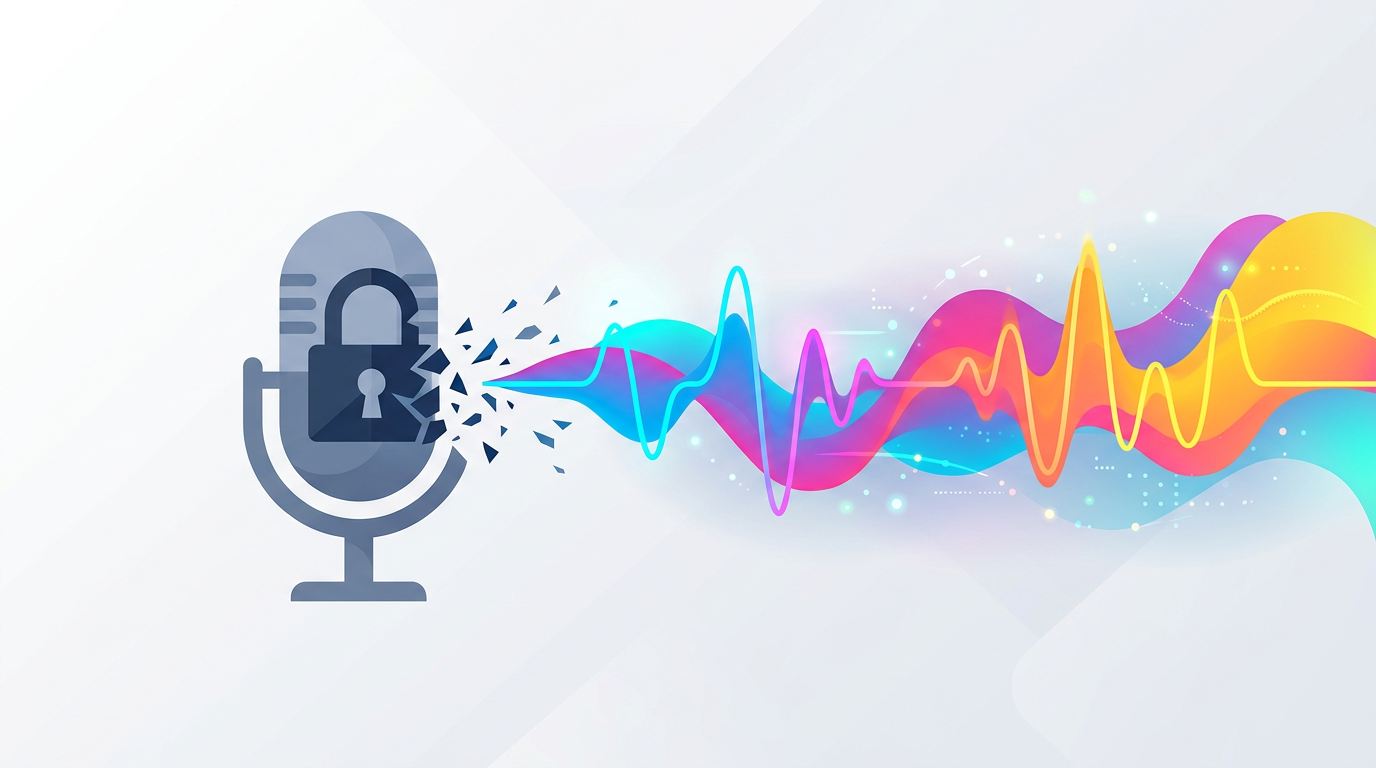
When creators search for a "Siri-like" voice, they are rarely asking for the specific sound of a piece of software. They are looking for the 'Assistant' archetype: a voice that is helpful, crisp, authoritative, and precise. It is an aesthetic of reliability. The problem is that a static, robotic system voice cannot convey the warmth, humor, or urgency required for modern storytelling. To move beyond the default, you need to identify the specific emotional profile your project requires. Are you looking for the gravitas of a news anchor, the playful cadence of an animated character, or the high-energy delivery of a sports icon? Unlike static OS voices, modern AI tools allow you to dial in these specific traits. By using a platform like Fanfun, you gain access to an expansive library of personas that can be tuned to match your brand's specific needs, whether that means sounding like a helpful expert or a charismatic lead.
The Evolution of AI Voice Generators
We have moved well past the era of the "uncanny valley" where text-to-speech sounded like a calculator reading a manual. Today’s AI voice generators, such as those powering the Dwayne Johnson AI, offer high-fidelity, expressive output that feels distinct and intentional. These aren't just robotic readouts; they are interpretations of human performance. Creators are now choosing specific archetypes—from recognizable celebrities to original characters—to anchor their brand voice, creating a level of consistency that generic system sounds simply cannot match. Consider the difference between a neutral AI and a character-driven AI. A generic voice might read your script correctly, but a voice with a specific, recognizable cadence—like those found in our Mickey Mouse or Hello Kitty collections—adds an immediate layer of cultural shorthand that connects with your audience before the first sentence is even finished. This is the difference between a video that is ignored and one that is shared.
Strategic Voice Selection: A Practical Framework
Choosing the right voice should be a deliberate design decision, not an afterthought. Use this matrix to determine the best approach for your next project:

- Utility vs. Personality: If your content is purely instructional, a neutral, clear voice is fine. But for social media, YouTube, or entertainment, you need personality.
- Impact Score: Does the voice match the pacing of your edit? A high-impact, recognizable persona is often better for short-form video where you have three seconds to grab attention.
- Consistency: Using a distinct AI persona builds brand recognition. If your audience hears the same recognizable tone in every video, they begin to associate that quality with your channel.
When you need to pivot from a neutral tone to something with real star power, you can leverage tools like the The Rock Dwayne Johnson voice profile to inject instant energy into a script. This level of customization allows you to iterate on your content without needing to re-record every time you change a word. You aren't just choosing a voice; you are choosing a brand ambassador. By moving away from the "default" settings, you signal to your audience that your content is curated, not just generated.
Scaling Your Content with AI Personas
The true power of modern AI voice technology lies in its scalability. In a traditional workflow, changing a single line of dialogue would require a new recording session. With Fanfun, you can update your scripts in minutes, allowing for rapid A/B testing of your content. By integrating recognizable, licensed-style voices like the Sydney Sweeney AI persona, you can maintain a high-production value across your entire library of videos without the overhead of booking real talent for every minor revision. This is how modern creators stay ahead. They don't waste time trying to force a proprietary system voice into a creative box; they use flexible, expressive, and instant AI tools to build a brand that is uniquely their own. Whether you are using the Donald Trump AI Voice to add a layer of recognizable rhetoric to a parody or simply looking for a more engaging narrator for a documentary-style vlog, the ability to iterate at speed is the ultimate competitive advantage. The era of settling for the default is over. By treating your AI voice as a core component of your creative identity, you move from being just another creator using stock tools to a brand with a distinct, memorable, and scalable voice that resonates with your audience on a human level. The future of content isn't in the generic, but in the specific, the intentional, and the instantly recognizable.
Can I legally use the Siri voice for my YouTube videos?
No. The Siri voice is a proprietary asset protected by intellectual property laws. Using it in your videos can lead to copyright strikes or content removal. It is safer and more creative to use licensed AI voice generators.
What are the best alternatives to Siri for AI voiceovers?
The best alternatives are platforms that offer expressive, high-fidelity AI personas. Fanfun provides a library of voices that range from helpful assistants to high-impact celebrity archetypes, allowing you to choose a voice that fits your brand rather than settling for a generic system sound.
How do I create a voice that sounds like a professional assistant?
Focus on the "Assistant" archetype: look for voices that are crisp, neutral, and precise. You can achieve this by selecting AI voices that emphasize clarity and steady pacing. Platforms like Fanfun allow you to test different personas to see which one best fits the "helpful" vibe you are aiming for.
Is it better to use a generic AI voice or a celebrity-style AI voice?
It depends on your goal. A generic, crisp AI voice is great for tutorials or informational content. However, if you want to build a brand, stand out on social media, or create engaging memes, using a recognizable celebrity-style persona provides much higher engagement and audience recognition.