
The Art of the Roast: Why High-Energy Delivery Still Defines Modern Comedy
Abrasive, high-energy delivery is a masterclass in comedic timing. Here is how you can use AI voice personas to bring that same punch to your next project.
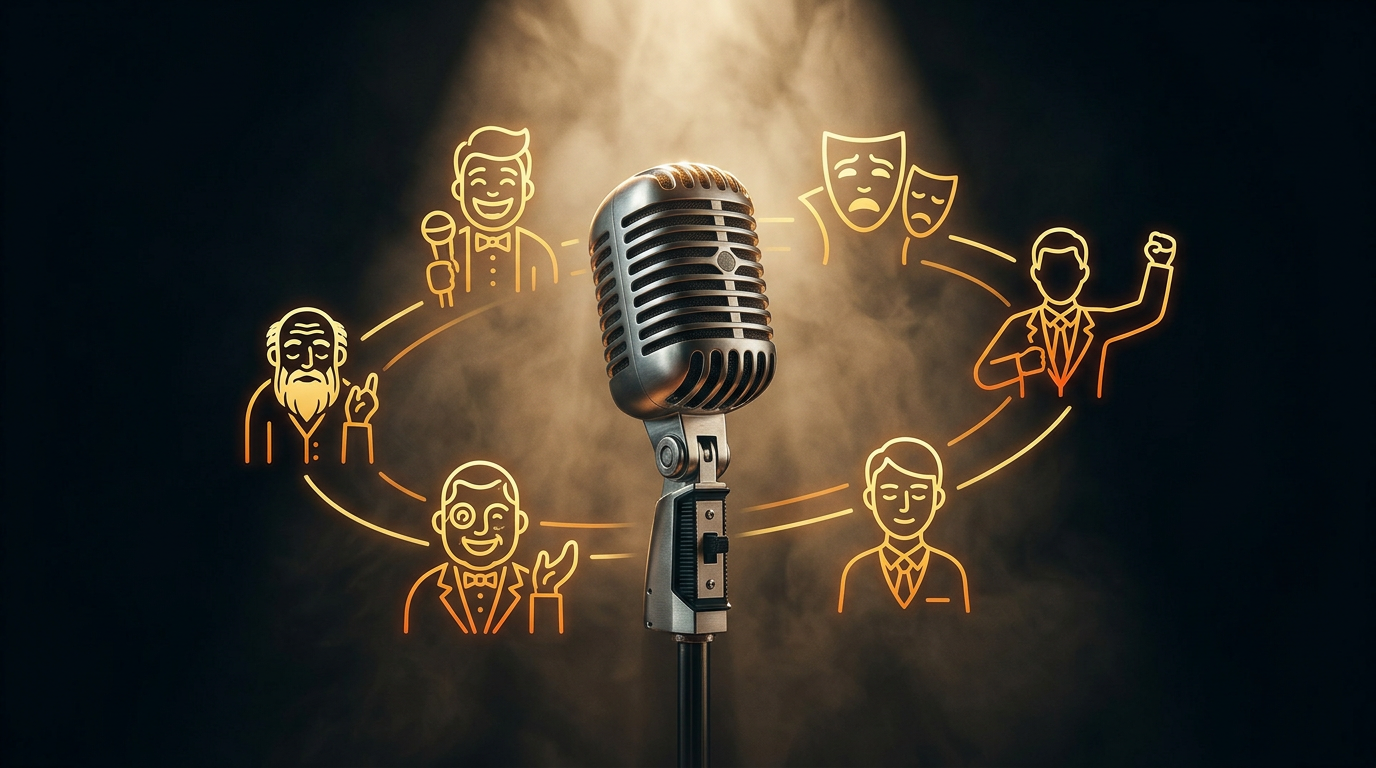
In the world of comedy, few styles are as instantly recognizable as the piercing, high-pitched squawk of legendary roasters. This style isn't just about the volume; it is an exercise in "anti-delivery." By leaning into an abrasive, jarring cadence, comedians turn mundane sentences into visceral, memorable experiences. For content creators, this is a blueprint for cutting through the noise of social media. When your feed is filled with polished, monotone, or overly cautious voiceovers, the aggressive, high-energy approach provides a necessary shock to the system that demands attention.
The secret to this style lies in comedic timing. It isn't just about being loud; it is about the deliberate pause before the punchline and the rapid-fire delivery that follows. When you are looking to elevate a script, you need a voice that doesn't just read the lines—it performs them with intent. Moving beyond generic, robotic AI voices is essential here. You need characters with actual "edge" that force the audience to stop scrolling and pay attention to what is being said.
The Gottfried Blueprint: Why Abrasive Comedy Works
The "Gottfried" school of thought relies on the principle of discomfort. By delivering a joke with an intensity that feels slightly unhinged, the comedian creates a bridge between the audience and the material. This is particularly effective for short-form video content on platforms like TikTok or Instagram Reels. If you are creating a roast-style birthday greeting or a satirical take on a trending news story, a polite, standard voice will fail to land the joke. You need the grit, the rasp, and the unpredictability that comes with a high-energy persona.
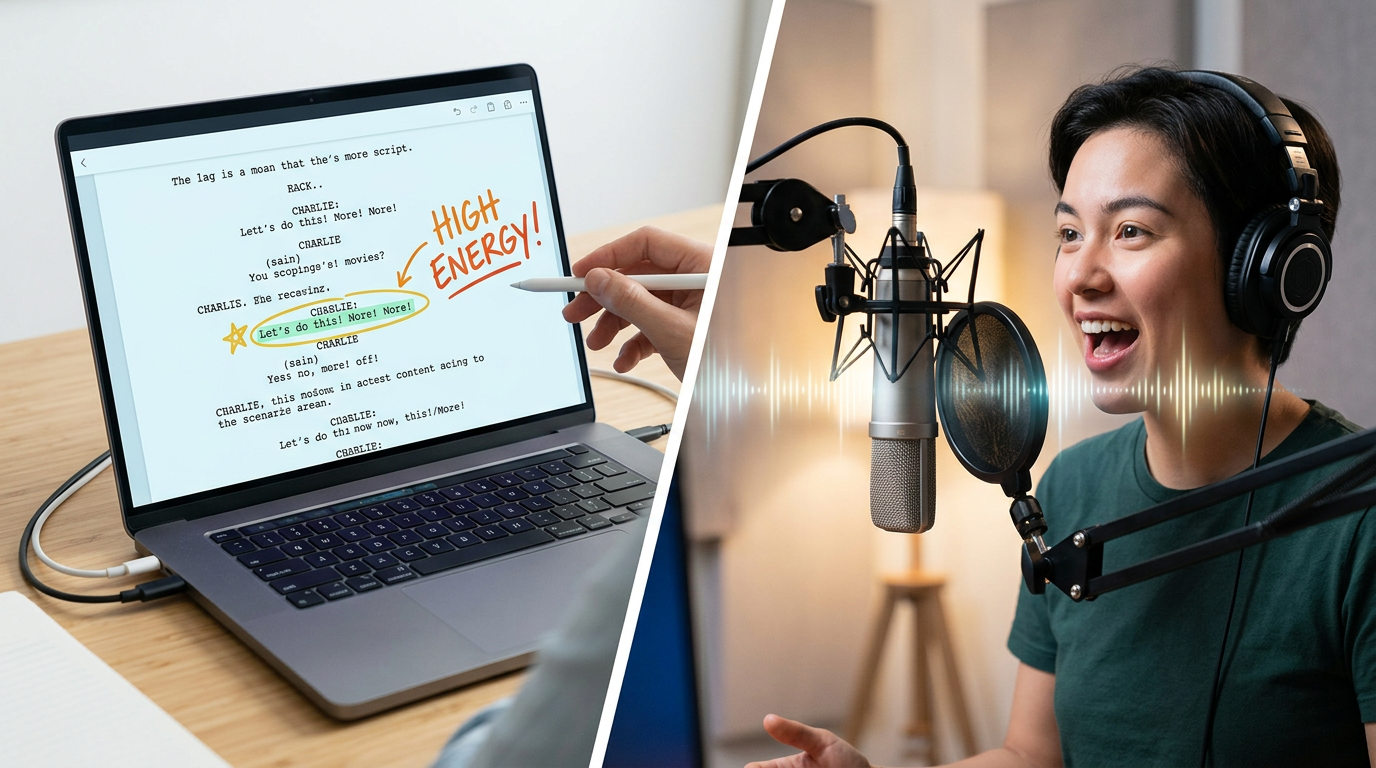
At Fanfun, we see creators using this technique to transform basic scripts into viral moments. The goal is to create a sense of "uncomfortable humor"—the kind that makes the listener laugh because they are caught off guard by the delivery. When you use an AI persona to deliver a roast, the voice acts as a comedic prop. It sets the tone before the first word is even processed by the viewer's brain. By utilizing an AI voice generator, you can simulate these aggressive patterns without needing to spend hours in a recording booth or hiring a voice actor who might not grasp the nuance of "unhinged" delivery.
The Anatomy of a Perfect Roast Script
To write for a high-energy persona, you must abandon the rules of polite conversation. A successful roast script relies on the "set-up, jab, jab, haymaker" structure. Start with a premise that is slightly too honest, follow it with a quick, punchy observation, and end with a delivery that leans into the persona's specific vocal quirks. When using the Fanfun platform, consider how your punctuation impacts the final output. Using an exclamation point or an em-dash tells the AI to shift its pacing, which is critical for maintaining that high-energy, abrasive feel. If you are writing a roast for a friend, focus on specific, relatable traits rather than generic insults; the more specific the observation, the better the AI persona can "sell" the joke to your audience.
Applying the Persona to Your Content
To capture this effect, start by stripping your script of filler. High-energy styles thrive on short, punchy sentences. If you are writing a roast, lead with the most absurd observation first. With the Fanfun platform, you can experiment with different personas to see how they handle aggressive pacing. Because you can iterate instantly, you aren't tied to a single take. You can adjust the cadence, swap the persona, and re-generate until the comedic timing is perfect. This iteration loop is the biggest advantage over traditional cameo alternatives, where you are at the mercy of the actor's schedule and availability.
The beauty of using AI-powered personas is that you can apply this comedic logic to almost any format. For a social media skit, the visuals often take a backseat to the audio. If you are creating a satirical commentary on a trending topic, the persona you choose becomes the narrator of the joke. A high-energy, slightly abrasive voice can turn a dry observation into a viral moment, whereas a standard voice might leave the audience wondering if the content was meant to be funny at all.
The Evolution of Digital Personas
Not every project needs the "roast master" energy. Sometimes, your content requires a different kind of authority or charisma. When you are building a library of content, you need to know when to pivot from the jarring energy of a comedian to the steady, heroic presence of a sports legend like Shaq. While the abrasive style is for disruption, the Shaq persona brings a larger-than-life weight that works perfectly for promos or motivational skits. Choosing the right "vibe" depends entirely on the outcome you want. If you want engagement through shock, go for the abrasive route. If you want to build a connection with your audience through aspirational storytelling, lean into the more grounded, iconic voices available in the Fanfun library.
You can even mix these archetypes to create a "buddy comedy" dynamic. Imagine a high-intensity roast intro followed by the distinct, recognizable tone of Spongebob Squarepants. This juxtaposition creates an immediate comedic disconnect that keeps viewers engaged. By layering these different personas, you are not just creating content; you are building a unique sonic landscape for your brand that feels intentional and high-budget.
Choosing the Right Tool for the Job
When you are planning your content calendar, consider the specific persona archetypes available to you. For instance, if you are looking for a blend of high-energy and pop-culture relevance, you might look toward the Dwayne Johnson AI persona for a mix of intensity and charisma. If you are aiming for a more disciplined, intense feel, the Kobe Bean Bryant persona provides a focus that is perfect for high-stakes storytelling. For lighter, more whimsical content, you might even integrate the Mickey Mouse persona to subvert expectations. For content that requires a blend of charm and modern relatability, the Sydney Sweeney persona offers a distinct vocal profile that can ground your more experimental scripts.
The key takeaway for any creator is that the voice is a creative choice, not just a utility. When you use Fanfun, you are accessing a toolkit that allows you to treat celebrity-style voices as character actors. Whether you are creating a heartfelt message or a high-energy roast, the ability to generate these voices instantly means you can spend more time on the creative vision and less time on the logistics of traditional production. This is about democratizing access to high-quality audio performances that were previously locked behind expensive production houses or impossible talent booking schedules.
| Archetype | Best For | Vibe |
|---|---|---|
| The Roast Master | Social media skits, birthday roasts | High-energy, edgy, loud |
| The Iconic Hero | Aspirational content, Kobe Bean Bryant-style motivation | Disciplined, intense, focused |
| The Cultural Titan | Broad-appeal promos, Dwayne Johnson AI-led storytelling | Charismatic, big-budget, professional |
| The Animated Icon | Nostalgic comedy, Spongebob Squarepants-style memes | Whimsical, recognizable, fun |
Practical Tips for AI-Driven Content Creation
Scripting for AI requires a different mindset than writing for a human actor. Because you are working with digital personas, you have the freedom to push the boundaries of pacing. Keep your sentences short. Use punctuation—like em-dashes and ellipses—to force the AI to pause exactly where you want the humor to land. This level of control is what turns a basic text-to-speech file into a piece of entertainment.
Don't be afraid to experiment with contrast. One of the most effective ways to use these tools is by pairing voices that don't belong together. By layering these different personas, you are not just creating content; you are building a unique sonic landscape for your brand. Remember, the goal is to keep your audience guessing. If they know exactly what to expect from your content, they will stop paying attention. By rotating through different archetypes and leaning into the specific strengths of each AI persona, you ensure that your channel remains fresh, unpredictable, and highly entertaining. The future of content creation lies in this agility—the ability to pivot from a high-energy roast to a grounded, heroic monologue in minutes, all within a single, unified platform.
How do I create a voice that sounds like a classic comedian?
Start by focusing on your script's rhythm. Use short, punchy sentences and clear, aggressive punctuation. On Fanfun, select a persona known for high energy and test different delivery speeds to find that style of sharp, rapid-fire humor.
Can I use Fanfun to make a roast video for a friend?
Absolutely. Fanfun is designed for exactly that. You can input a custom script, select an edgy or high-energy persona, and generate a personalized video message that delivers your roast instantly.
Why is AI voice generation better than traditional voice acting for social media?
AI voice generation offers instant delivery, infinite iteration, and cost-effectiveness. You can tweak your script as many times as you need without re-booking talent, making it the ideal tool for fast-paced social media content.
Are there limitations to the types of voices I can use on Fanfun?
Fanfun provides a diverse library of licensed and original AI personas, ranging from sports icons to animated characters. While each persona has a unique 'interpretation' of a voice, the library is constantly growing to offer more creative flexibility for your projects.