The Chameleon Effect: Why April Stewart’s Range is the New Benchmark for AI Character Work
April Stewart’s ability to pivot between vastly different archetypes proves that character-driven AI is only as good as the range it can replicate. Discover why modern creators must prioritize vocal elasticity.
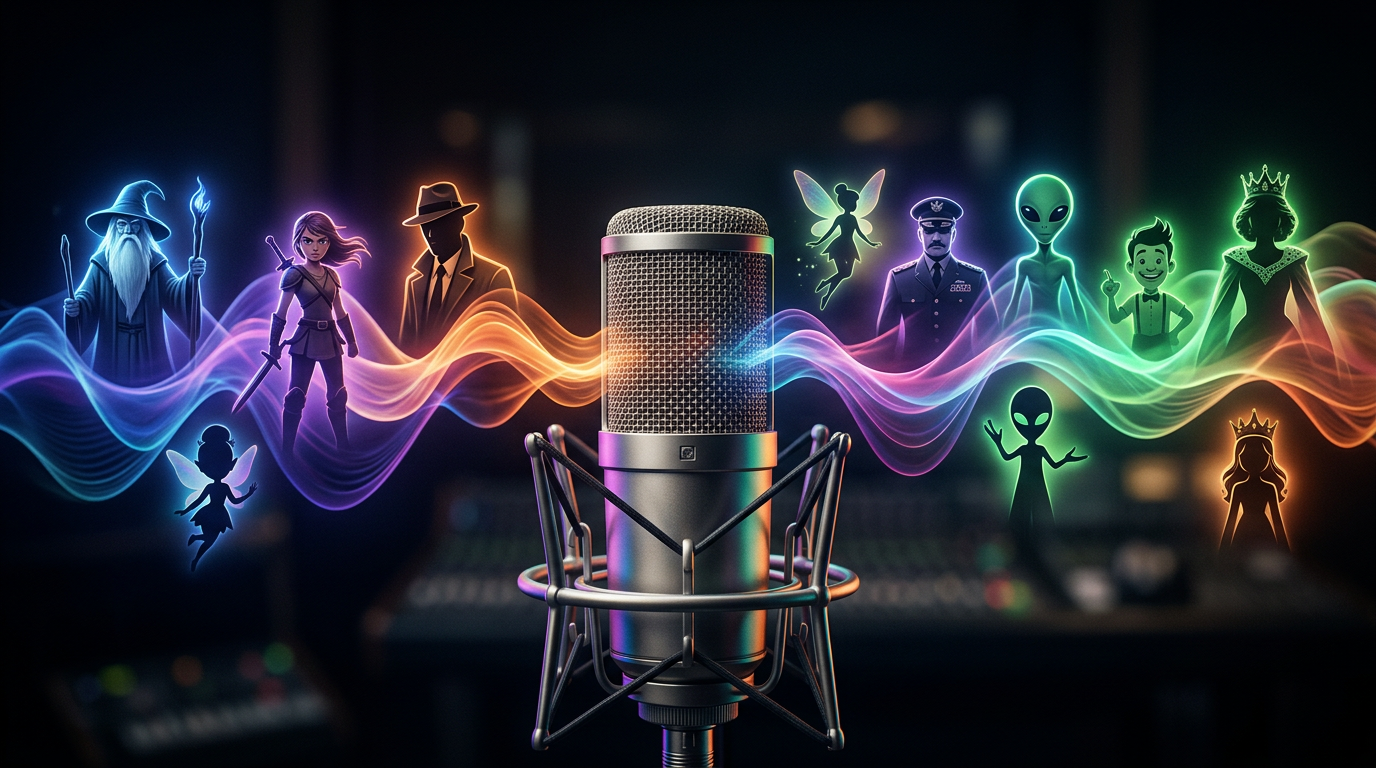
In the world of animation and voice acting, April Stewart is a master of sonic architecture. Her career is a masterclass in vocal elasticity—the ability to shift tone, cadence, and emotional intent so drastically that the same performer can occupy multiple, unrelated spaces within a single production. For creators leveraging AI to build digital personas, Stewart’s work serves as the ultimate benchmark. We are moving away from the era of generic, one-size-fits-all text-to-speech and into a period where specific, character-driven nuances define the quality of the output.
When you choose an AI tool for content creation, you aren't just selecting a voice; you are selecting a performance history. A flat, static voice generator might get the words right, but it will fail the "chameleon test"—the moment the content demands a shift from comedy to gravitas or from subtle irony to high-energy excitement. At Fanfun, we see this daily; the most successful content doesn't just sound like a character, it inhabits the emotional texture of one. Whether you are building a narrative project or a social media campaign, the goal is to bridge the gap between digital synthesis and human-like performance.
The Anatomy of a Thousand Voices
Stewart’s ability to maintain distinct character signatures is rooted in texture. She doesn't just change her pitch; she changes the "weight" of her delivery. In the landscape of AI, this is the difference between a robotic recitation and a compelling persona. Industry leaders are abandoning generic "radio" voices in favor of personas that carry specific, recognizable traits. Believable AI characters require this same level of intentionality, where every inflection serves the narrative rather than just filling the airwaves.
To understand the depth of this, consider how a single voice actor can pivot from a high-pitched, manic character to a low-register, stoic figure. This isn't just about vocal cord manipulation; it is about resonance and placement. When you engage with an Spongebob Squarepants AI persona, the model must capture the specific, frantic optimism inherent in that character’s vocal history. If the AI lacks the ability to modulate its energy based on the prompt, the illusion shatters immediately.
Why Vocal Texture Matters
Vocal texture—the rasp, the breathiness, the staccato rhythm—is what creates a mental image of a character. When you utilize an AI voice generator, you must audit the output for these micro-variations. If the voice remains static across different prompts, the audience will subconsciously disengage. True character-driven AI must be able to modulate its delivery based on the context of the script. This is why we prioritize high-fidelity models that understand the difference between a whisper, a shout, and a smirk.
Beyond the Script: Why Range Matters in AI Interaction
Static voice clips are a relic of the past. Modern fandom demands interaction. This is where the "chameleon effect" becomes critical. When a user engages with an AI, they expect the persona to respond with the same range and personality they recognize from the source material. Fanfun bridges this gap by offering interactive experiences that go beyond simple video generation, allowing users to converse with personas that feel dynamic rather than pre-programmed. When you interact with a digital version of Shaq, you expect the charisma and the specific cadence of his delivery, not a generic athlete template. The difference lies in the AI's ability to handle the unexpected—a hallmark of high-quality character work.
The Creator’s Toolkit: Applying Stewart-Level Nuance
Before you publish your next piece of AI-driven content, run it through this "Vocal Elasticity" audit. Does your chosen persona have a consistent history? Can it handle humor, drama, and urgency with equal weight? If your AI character sounds the same when delivering a punchline as it does when providing a heartfelt message, you are losing potential impact. Benchmark your characters against professional legends like Stewart; if the AI lacks the range to surprise the listener, it lacks the range to captivate them.
Consider the difference between a static prompt and a reactive persona. A static prompt is a one-way street, whereas a reactive persona—like the Dwayne Johnson AI—is designed to handle the conversational unpredictability of a real fan interaction. By focusing on the "chameleon effect," creators can ensure that their AI-generated content feels like an extension of the character’s actual personality rather than a hollow imitation. This is the difference between a novelty and a tool for genuine engagement.
From Animation to AI: The New Frontier of Fandom
The evolution of AI has turned passive consumption into active participation. Fans are no longer just watching their favorite shows; they are interacting with the characters that define them. Whether it’s the high-energy, iconic delivery of a cartoon legend or the grounded, authoritative presence of a sports icon like Kobe Bean Bryant, the goal is to provide a seamless extension of the character’s legacy. These platforms act as superior Cameo alternatives, providing instant, 24/7 access to the voices that matter to the audience without the logistical friction of traditional booking.
This shift toward active participation requires a new standard of quality. When a fan asks a question to their favorite character, the response must land with the emotional weight of a real encounter. This is where the technical constraints of legacy AI fall short. By leveraging advanced models that prioritize character-specific vocal quirks, creators can build deeper, more meaningful connections with their audience. It is no longer enough to look like a character; you must sound like them, react like them, and, most importantly, adapt like them.
Selecting Your AI Persona: A Comparison Framework
Not every project calls for the same vocal profile. Your choice should be dictated by the "weight" of the content. Whether you are crafting a tribute video featuring Sydney Sweeney or creating an educational clip with a Mickey Mouse persona, the vocal profile must align with the user's expectations. Use the following framework to determine which persona profile fits your needs:

| Persona Type | Use Case | Example |
|---|---|---|
| Authority | Inspirational, Promo, Serious | Dwayne Johnson AI |
| Character | Memes, Comedy, Storytelling | Spongebob Squarepants |
| Iconic | Fan engagement, Personalization | Shaq |
| Legacy | Nostalgia, Tribute | Kobe Bean Bryant |
By matching the vocal profile to your content goal, you ensure that the AI engine is supporting the emotional intent of your message. When you select a persona, look for platforms that prioritize high-fidelity emotional output, allowing the character to "breathe" and pivot just as a professional actor would. The future of content creation isn't just about automation; it’s about the intelligent application of vocal range to create experiences that feel authentic, urgent, and undeniably fun. By internalizing the lessons of masters like April Stewart, creators can move past the uncanny valley and into a space where AI characters are indistinguishable from the icons they emulate.
How does April Stewart achieve such distinct voices for different characters?
April Stewart utilizes extensive vocal training to manipulate her resonance, placement, and breath control, allowing her to create entirely different acoustic profiles for each character she portrays.
Can AI voice generators replicate the range of professional voice actors?
While no AI currently matches the spontaneous intuition of a master actor, high-quality platforms are increasingly capable of capturing the nuances of vocal texture and emotional intent, provided the underlying model is trained on diverse, high-fidelity data.
What is the best way to choose an AI voice for my content creation?
Choose based on the "vocal history" of the persona. Evaluate whether the character can handle the specific emotional demands of your script—whether that is comedic timing or authoritative gravitas—and ensure the platform allows for real-time interaction.
How do I create interactive character experiences for my fans?
Use platforms like Fanfun that offer interactive, two-way AI chats. This allows you to deploy characters that can respond to fan prompts instantly, creating a more personalized and engaging experience than static media ever could.