
The Antagonist’s Edge: Why High-Stakes Archetypes Are Essential for Digital Storytelling
Modern content often feels too polished. By embracing the 'jock-bully' archetype, you can create the narrative friction your audience actually craves.
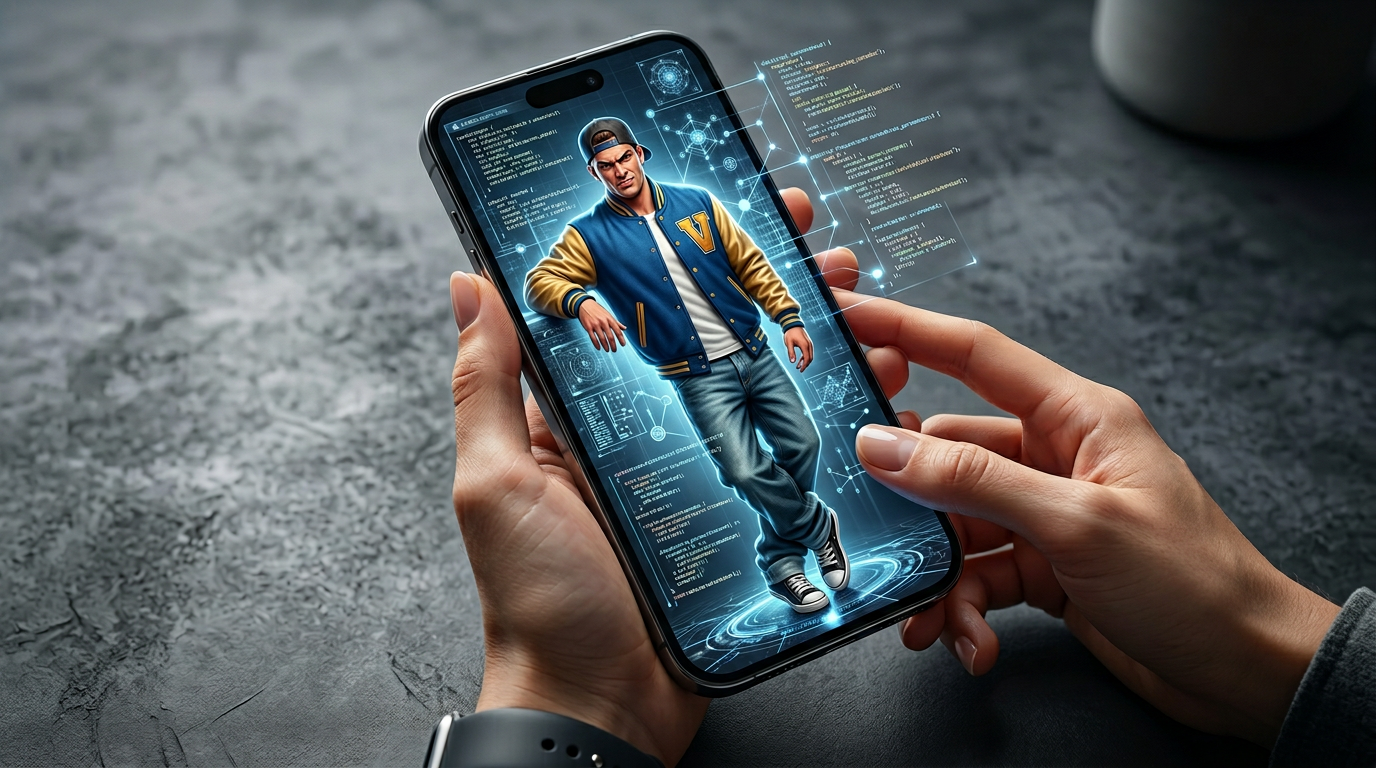
In the cinematic landscape of the 80s and 90s, the "jock-bully" archetype served a singular, vital purpose: they were the friction that made the hero move. In today’s digital creator economy, where feeds are saturated with overly polished, agreeable influencer personas, that same narrative friction is missing. Audiences are tired of constant positivity and scripted perfection; they crave the high-stakes energy of a character who isn't afraid to push back.
The "jock-bully" works because they force a reaction. They represent the barrier to entry, the skeptic in the room, or the loud-mouthed critic that every narrative needs to build tension. Translating this into digital satire doesn’t mean being genuinely harmful; it means adopting a persona that is intentionally arrogant, absurdly over-the-top, and ultimately, a foil to your own brand’s message. By positioning an AI persona as the antagonist, you can create a dynamic back-and-forth that keeps viewers watching to see if you can handle the pressure.
The Anatomy of the High-Stakes Antagonist
To understand why this archetype works, you must look at the psychological impact of conflict. If your content is always a monologue, it risks becoming static, white-noise background content. By using AI to script roasts, playful challenges, or "bully"-style commentary on your own content, you transform a one-way broadcast into a narrative event. The key is in the delivery: keep the character's arrogance high but the stakes low. When you use a platform like Fanfun to generate these specific, trope-heavy voices, you gain access to a character library that allows you to experiment with these archetypes without the need for a massive production budget or real-life casting.
Consider the difference between a video that simply lists facts and a video where a high-energy, skeptical persona interrupts to question those facts. The latter forces the viewer to pay attention. It creates a "will they, won't they" dynamic regarding the resolution. This is the essence of the antagonist's edge: it is a tool for retention, not just for antagonism.
Defining the 'Friction Point' in Your Script
The most common mistake creators make is introducing an antagonist too late. If your video is already three minutes in, the viewer has likely already decided whether to scroll. To leverage the antagonist's edge, you must introduce the conflict within the first five seconds. Use an AI voice to drop a dissenting opinion or a sharp, hyperbolic critique immediately. This acts as a 'hook' that effectively challenges the viewer's current worldview, forcing them to stay and see how the 'hero' (you) responds. By using the Dwayne Johnson AI to deliver a high-stakes, motivational rebuttal, or a more skeptical persona to play the antagonist, you establish a clear power dynamic that keeps the audience engaged.
Archetype Comparison: The Bully vs. The Hero
Choosing the right persona depends entirely on the emotional arc you want your audience to experience. While the "hero" archetype—perhaps something akin to the high-energy, motivational presence—is perfect for rallying your base, the antagonist is your secret weapon for retention. A mix of both prevents your channel from feeling one-note. You need the hero to define the values, but you need the antagonist to define the struggle.
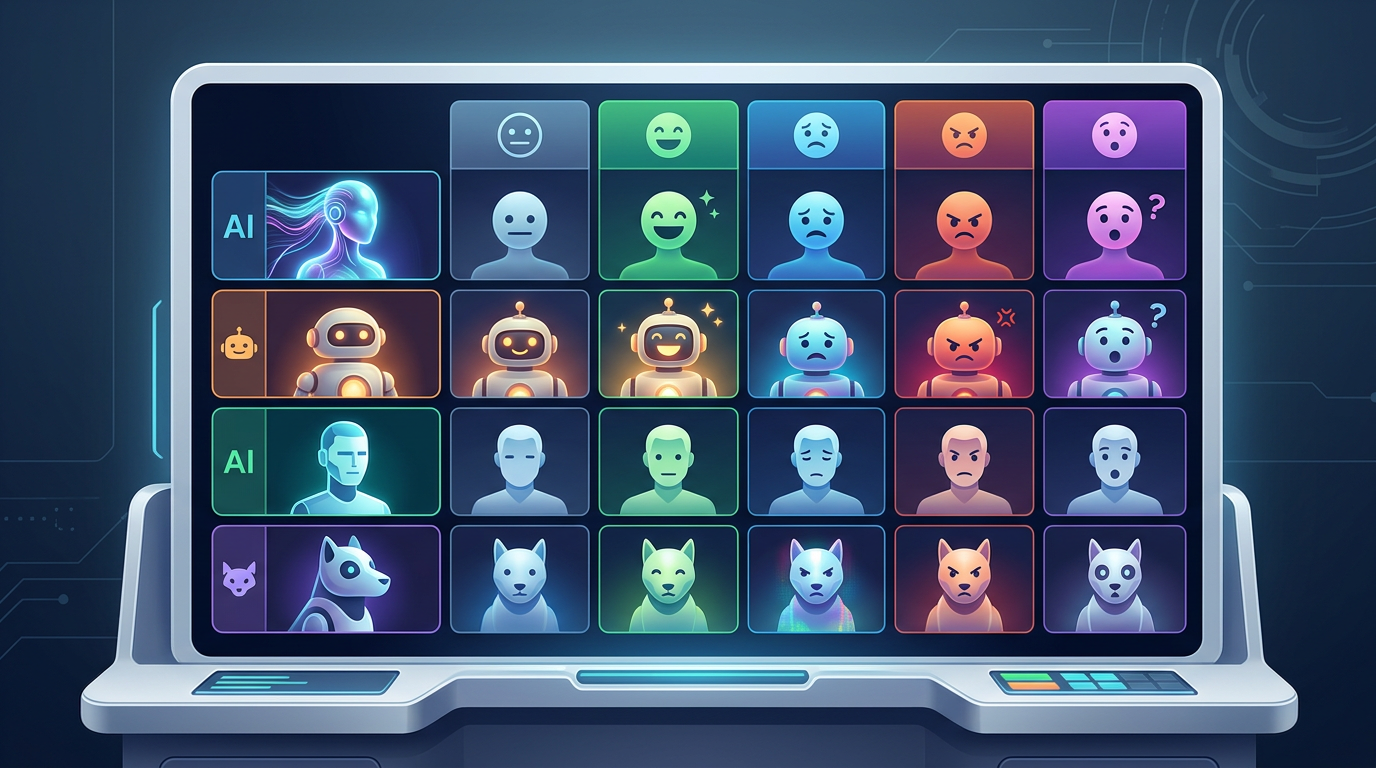
| Archetype | Primary Emotion | Best Use Case | Engagement Driver |
|---|---|---|---|
| The Hero | Motivation | Product Launches | Trust & Alignment |
| The Antagonist | Tension | Roasts & Challenges | Curiosity & Debate |
| The Skeptic | Doubt | Feature Deep-Dives | Critical Thinking |
| The Icon | Nostalgia | Pop Culture Commentary | Immediate Recognition |
The Power of the 'Instant Foil' in Marketing
Brands often struggle with sounding too corporate or self-serious. An AI-powered "skeptic" or "bully" character can actually increase brand safety by allowing you to address criticism head-on. By having an AI persona challenge your product’s claims within a video, you preemptively answer the questions your customers are already asking. It turns a potential objection into a piece of entertainment. This is where the Fanfun approach shines; you can iterate on these characters in minutes, ensuring the tone is sharp and funny rather than mean-spirited. You aren't just selling a product; you are building a show.
For instance, if you are discussing athletic performance, you might pair your own voice with the intensity of the Shaq AI to provide a larger-than-life critique. If you are discussing career growth, you might lean into the wisdom of the Kobe Bean Bryant persona. By mixing these high-status archetypes with your own content, you effectively "borrow" their narrative weight to anchor your message. This isn't just about using a voice; it's about using the cultural shorthand these figures represent to instantly communicate a specific tone.
Scaling Your Creative Output with Character Layers
Consistency is the death of creativity if you rely on a single voice. To build a truly immersive channel, you need a repertoire of characters that can interact with one another. Think of it as a digital repertory theater. By leveraging the power of iconic, larger-than-life personas, you can anchor your brand with recognizable energy while using secondary, antagonist characters to move the plot of your content forward.
If you are building world-class humor, you might even incorporate the absurdity of the Spongebob Squarepants AI to act as the comedic relief against your "bully" character. This layering of personalities is how you go from being a content creator to a storyteller. Furthermore, you can experiment with the cultural impact of modern icons like the Sydney Sweeney persona to add a layer of contemporary relevance to your skits. If you need a touch of classic, universally recognized charm, the Mickey Mouse AI offers a baseline of familiarity that can make your more "edgy" content feel more accessible to a wider audience.
The goal is to create a "content universe" where the audience knows what to expect, but is constantly surprised by the interactions between these archetypes. When you control the voices and the personas, you control the narrative. Stop waiting for the perfect guest to appear on your show; start building the cast you need today. By diversifying your character library, you ensure that your audience never gets bored, as they are constantly being challenged, entertained, and surprised by the evolving dynamics of your content.
How do I use AI to create a character that isn't a hero?
Start by identifying the traits of a classic antagonist—arrogance, skepticism, or bluntness. Use these as prompts when defining your character in the Fanfun interface, focusing on how they would react to common situations rather than how they would solve them.
Can I use AI to generate roasts for my friends?
Absolutely. AI personas are excellent for creating lighthearted, scripted roasts that lean into the "jock-bully" archetype. The key is to keep the content hyperbolic so it remains clearly satirical.
Why is the 'bully' archetype effective for social media engagement?
It creates immediate narrative friction. Audiences are conditioned to respond to conflict; when a character pushes back, it forces the viewer to take a side or wait for the resolution, which significantly boosts watch time.
How does Fanfun help me create character-driven content faster?
Fanfun provides instant access to a library of AI personas, allowing you to generate voiceovers and video content in minutes. This removes the need for traditional casting or long production timelines, giving you the freedom to test multiple archetypes in a single day.