The Anatomy of Terror: Why Andrew Hubatsek’s Zelda Archetype Still Haunts Modern Horror
Andrew Hubatsek’s portrayal of Zelda remains a masterclass in the physicality of dread. We explore how to translate that high-stakes, archetypal energy into your own digital content.
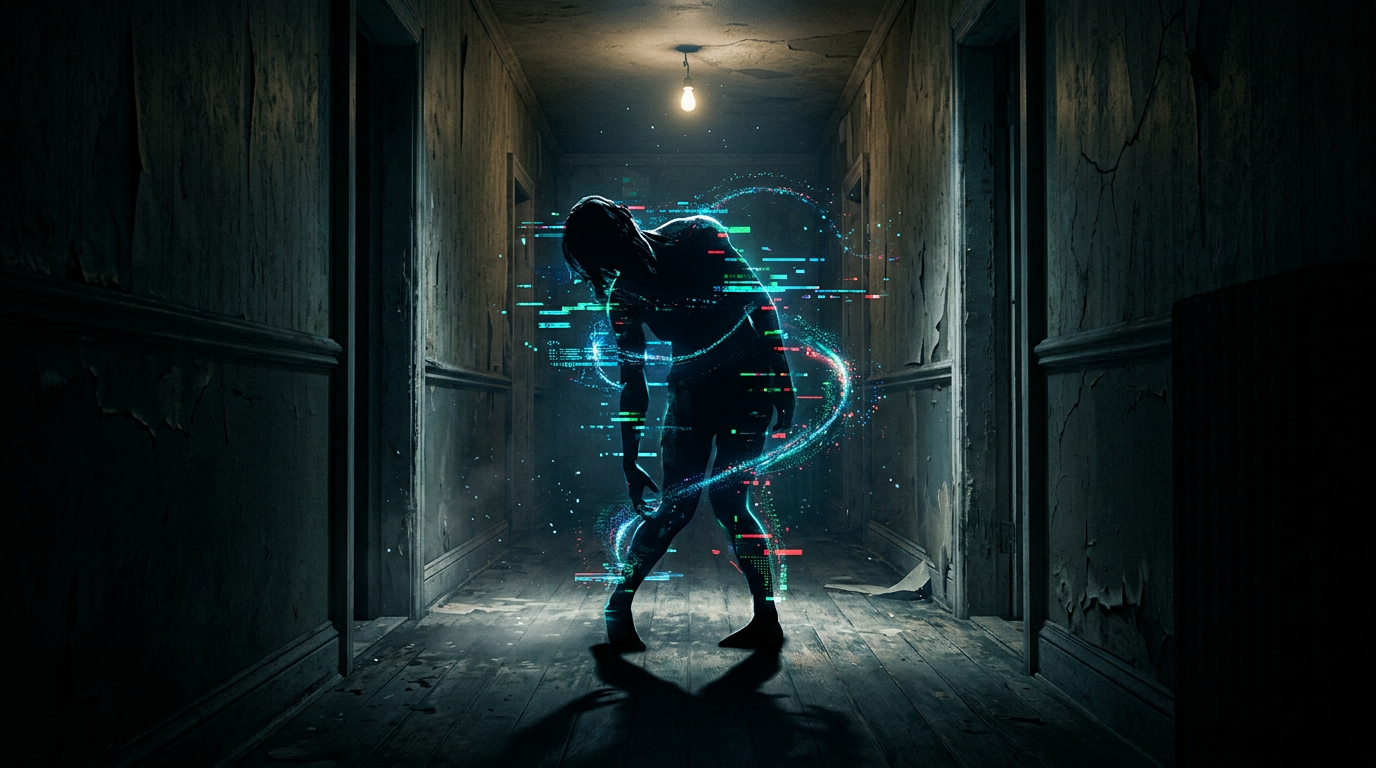
In the canon of horror cinema, few performances achieve the visceral, skin-crawling impact of Andrew Hubatsek as Zelda in Pet Sematary. What makes the performance a gold standard isn't just the makeup or the setting; it is the deliberate, restricted movement that creates a profound sense of psychological dread. Hubatsek understood that true horror thrives in the tension between what is human and what is broken.
This is the difference between simple costumed acting and true archetypal embodiment. While a lesser performance might have relied on jump scares, Hubatsek leaned into the anatomy of the character—the stiff, jagged movements of a body pushed beyond its limits. By grounding the supernatural in a recognizably human frame, the performance forces the audience to confront the fragility of their own physical existence. This is a vital lesson for any creator: the most terrifying characters are those that feel physically grounded, even when they occupy impossible spaces.
The Physicality of the Uncanny
To replicate this level of engagement in digital media, creators must look past the visual and focus on the kinetic. Whether you are building a character for a short-form horror skit or a complex narrative series, the "spine" of the character dictates the audience's reaction. Hubatsek’s Zelda worked because every movement felt like a struggle against gravity and decay. When we translate these concepts into AI-generated personas, we must ensure the vocal delivery matches that same internal struggle.
Modern platforms like Fanfun allow you to experiment with these high-stakes archetypes in a way that feels iterative and professional. You aren't just generating a voice; you are sculpting a presence. The vocal texture—the rasp, the cadence, the hesitation—is as critical to the suspension of disbelief as the visual design. If your character is meant to be an ominous mentor, the vocal delivery must carry the weight of that gravity, much like the presence of a sports icon such as Shaq, whose vocal authority commands attention through sheer sonic mass.
Mapping Archetypes to Digital Personas
Modern content creation often falls into the trap of being too "clean." When building a digital persona, the tendency is to prioritize clarity over character. However, if you want to create content that resonates, you must define the intent before you ever hit generate. Just as an actor determines a character's primary motivation, a creator must determine the emotional frequency of their AI persona.
Think of your persona as a living entity. If you are creating a character that carries the weight of a legend, you might pull inspiration from the gravitas found in a Dwayne Johnson AI model. The goal is to use these established archetypes to anchor your audience. By utilizing specific vocal profiles, you provide the viewer with a familiar psychological baseline, which you can then subvert or amplify to create tension.
The Blueprint for High-Stakes Character Creation
To build an iconic persona, you need a framework that moves beyond the superficial. Whether you are creating a villain for a narrative short or a guide for an interactive experience, follow this progression to ensure your character has staying power:
The Archetype Framework
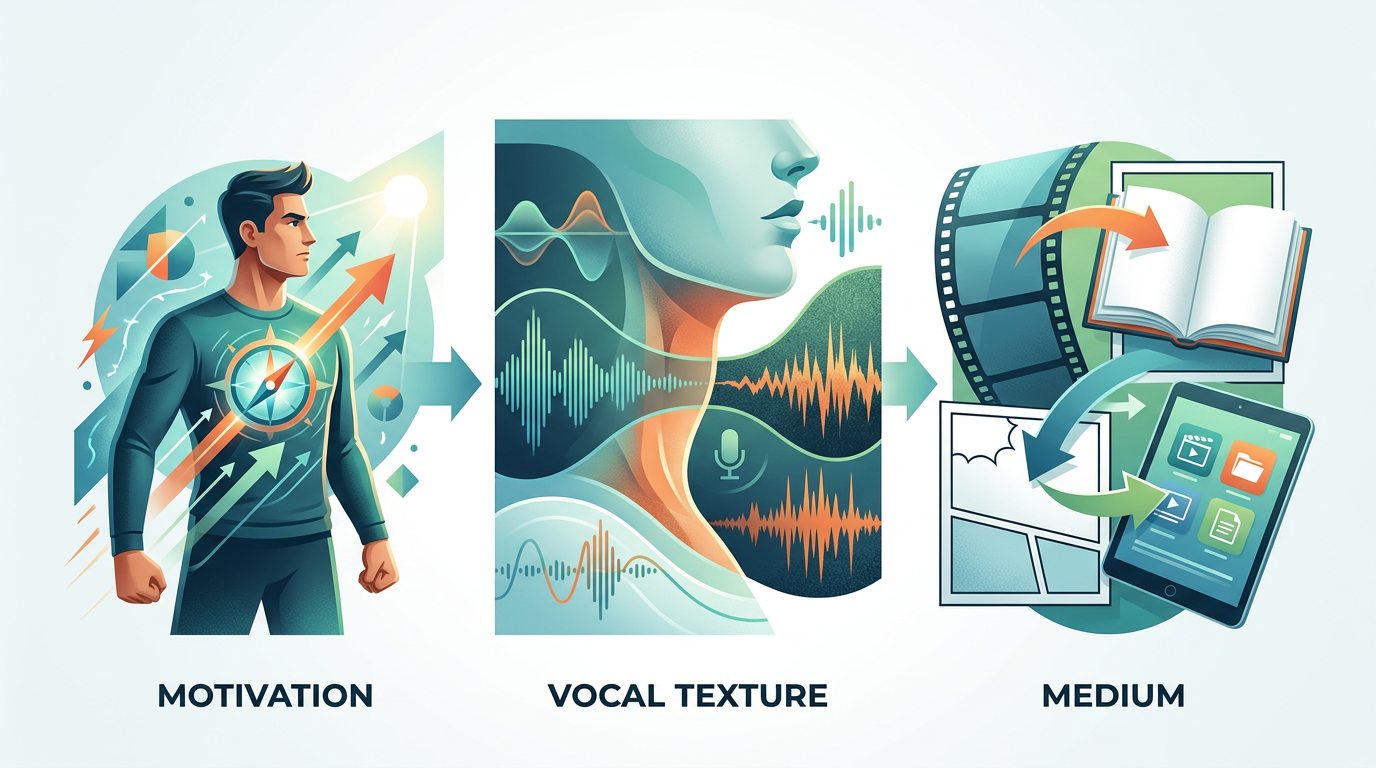
- Identify the Shadow: Every compelling character is defined by what they fear or desire. Is your character a reluctant hero, a chaotic trickster, or a looming, silent threat?
- Select the Vocal Profile: Match the voice to the archetype. Contrast the grounded, heavy gravitas of a figure like Shaq with the distinct, light, and hyper-recognizable energy of a character like Spongebob Squarepants. The contrast in these vocal profiles dictates the audience's immediate psychological response.
- Iterative Testing: Your first generation is a sketch, not a final portrait. Test different vocal pacing and emotional inflections to see how they change the "weight" of your script.
By treating your AI-generated personas as a cast of characters rather than static tools, you elevate your output from mere content to a cohesive, immersive experience. This is where the Fanfun approach shines: it provides the creative freedom to explore these archetypes without the logistical bottlenecks of traditional celebrity bookings.
The Role of Cultural Icons in Modern Satire
We have moved past the era of passive consumption. Modern audiences demand interactivity and the ability to "play" with the icons they admire. This shift has turned the digital landscape into a stage for satire, fan-dubs, and high-concept skits that feel authentic because they leverage the established weight of cultural legends. When you incorporate a persona with real-world gravity, such as Kobe Bean Bryant, you are tapping into a shared cultural consciousness that instantly adds stakes to your narrative.
This cultural weight is a powerful tool for satire. By placing a recognizable figure in an unexpected scenario, you create a cognitive dissonance that is inherently funny or unsettling. Whether you are building a tribute or a parody, the ability to access these personas instantly allows for a level of creative agility that was previously impossible. You can pivot from the intensity of a sports legend to the whimsical nature of characters like Mickey Mouse within minutes.
Balancing Authenticity and Creative License
A common pitfall in AI-driven content is the pursuit of perfect mimicry over emotional resonance. Hubatsek’s Zelda was not a perfect human; it was a stylized, heightened version of humanity. Your AI personas should follow suit. Don't aim for a clinical reproduction; aim for a performance that captures the essence of the archetype. For instance, if you are working with a Sydney Sweeney-inspired persona, focus on the specific cadence and emotional energy that makes the archetype recognizable, rather than just the tone of voice.
The power of the AI voice generator lies in its ability to bridge the gap between a static image and a dynamic, living character. Whether you are creating a roast, a birthday message, or a satirical commentary, the goal is to make the audience feel like they are interacting with an entity that has a history and a personality. This requires you to be an active director, not just a passive user.
Actionable Steps for Your Next Project
To implement these lessons, treat your next project as a character study rather than a content task:
- Define the 'Shadow': Write down two things your character desperately wants and one thing they are terrified of. This will inform how they speak and what they emphasize.
- Choose Your Vocal Baseline: Use the Fanfun voice generator to find a voice that matches your character's psychological state. Do not settle for the first voice that sounds "right"; look for one that sounds "complex."
- Script for the Medium: If you are producing for short-form video, ensure your character's "hook" is established in the first three seconds. If you are creating a longer narrative, use the voice to build a slow-burn tension through cadence and silence, much like Hubatsek’s legendary performance.
Ultimately, the most successful content creators are those who treat their digital personas with the same level of respect and craft as a professional actor approaches a role. By blending the technical ease of AI with the timeless principles of character work, you can create content that doesn't just scroll by, but lingers in the mind of the audience long after the video ends.
How does character acting influence AI persona generation?
Character acting provides the emotional logic for your AI persona. By understanding motivations, physical limitations, and vocal habits, you can script more effectively, leading to AI outputs that feel like distinct, intentional characters rather than generic voiceovers.
Why is Andrew Hubatsek considered a legend in horror character acting?
Hubatsek’s portrayal of Zelda is celebrated for its "physicality of the uncanny." He utilized restricted, painful-looking movement to ground a supernatural threat in a very real, human sense of suffering, making the character feel tangible and deeply unsettling.
Can AI-generated voices capture the nuance of classic film performances?
While AI provides the vocal foundation, the nuance comes from the creator’s input. By adjusting scripts, pacing, and emotional context, creators can leverage AI voices to mimic the cadence and intensity of iconic performances, creating highly effective, recognizable archetypes.
How do I start creating my own character archetypes using Fanfun?
Start by identifying your character's core motivation, then browse the Fanfun library to select a vocal profile that matches that energy. Use the platform’s tools to generate and test different scripts, refining the character's "voice" through iterative feedback until it perfectly embodies the archetype you have designed.