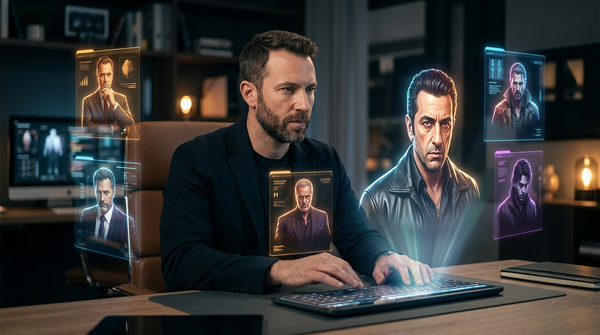
Beyond the Impression: How to Use AI Voices for Satire and Storytelling
Stop chasing perfect impressions and start building characters. Learn how to use AI voice technology to elevate your digital storytelling through satire and intentional script design.
The era of spending months perfecting a single celebrity impression is over. For modern content creators, the focus has shifted from the physical labor of mimicry to the creative architecture of character-driven storytelling. AI voice technology has democratized the ability to build expansive, high-fidelity audio sketches that were previously reserved for professional studios with massive budgets.
By leveraging tools like a Donald Trump AI voice, creators can now focus on the nuance of the script rather than the technical hurdles of vocal performance. This shift allows for a more agile production cycle, where the barrier to entry is no longer talent in vocal mimicry, but the quality of your comedic or narrative vision.
The Evolution of Digital Impressionism
Digital impressionism has moved from amateur, low-quality recordings to scalable, AI-driven character building. Traditional impressions often struggle with consistency; a creator might have the tone down, but lose the pacing during a longer monologue. AI generators solve this by maintaining a consistent cadence throughout a project. The value here isn't just in the accuracy of the voice—it’s in the creative utility. When you treat these voices as characters rather than just sound-alikes, you open the door to parody and satire that feels deliberate.
The goal is to use the technology to build a recognizable archetype that anchors your story, ensuring your content remains transformative and entertaining for your specific audience. Instead of trying to trick the viewer, the most successful creators lean into the artificiality, using the AI to heighten the absurdity of the situation. This meta-awareness is what makes digital satire feel fresh and engaging in a crowded social media landscape.
Engineering the Rhythmic Beat
Writing for AI voices requires a different approach than writing for human actors. Because the AI interprets text based on punctuation and structure, your script needs to be engineered for clarity and rhythmic impact. If you write a block of text that is too dense, the synthetic intonation may become flat. Instead, break your script into short, punchy sentences that allow the AI to reset its pacing.
Use phonetic cues or unconventional punctuation to force the model to pause or emphasize specific words. For example, using an ellipsis or a dash can effectively simulate a comedic beat or a sudden realization. When writing for satire, focus on the specific catchphrases or rhythmic quirks associated with the persona, but don't let them overwhelm the narrative. The best scripts allow the voice to deliver the joke naturally without feeling forced, treating the AI as an instrument that requires proper tuning through your written word.
Strategic Casting for Narrative Depth
Not every voice fits every project. The secret to effective AI storytelling is matching the persona's inherent "vibe" to the tone of your content. If you are producing a high-energy, motivational sketch, you need a voice with gravitas and presence, such as a Dwayne Johnson AI persona, which brings a specific weight and authority to the audio. Conversely, if you are crafting a lighthearted meme or a quick-witted social media commentary, you might choose a voice known for its comedic timing or distinct, recognizable patterns.
Consider the emotional weight of your chosen persona. Bringing in a Kobe Bean Bryant-inspired voice for a sports-related retrospective requires a reverence and specific cadence that differs entirely from the high-octane, boisterous energy you might capture using a Shaq-inspired persona. By thoughtfully selecting your cast, you dictate the audience's emotional response before the first word is even spoken. Think of this as casting a movie; the right voice does half the heavy lifting of character development.
Building a Digital Repertory Theater
The most engaging content often involves conflict or contrast. By mixing voices—for instance, pairing a legendary figure with a modern pop-culture icon like Sydney Sweeney in a mock interview or a satirical sketch—you create a dynamic ensemble cast that keeps the audience hooked. This technique is particularly effective for long-form storytelling or recurring segments on your channel.
Think of your AI voices as a digital repertory theater. By building a consistent cast of characters, you can establish a unique brand identity that is instantly recognizable to your followers. This moves you away from being a single-trick pony and allows you to build a cohesive, multi-character universe that is uniquely yours. Even historical or iconic figures, such as the legendary 2Pac, can be reimagined within a modern narrative framework to provide commentary on current events, provided the creator maintains a clear line between parody and reality.
Mastering the Pacing of Satire
Satire relies on the tension between the expected and the unexpected. When using AI voices, you can subvert expectations by placing an iconic voice in a mundane or absurd setting. Imagine a high-stakes, intense voice discussing the trivialities of ordering a sandwich or navigating modern dating. The contrast between the gravity of the voice and the banality of the topic is a classic comedic trope that works exceptionally well with AI.
To execute this, you must prioritize the "script-first" mentality. The AI provides the texture, but you provide the soul of the character. If the script is dry, the AI will sound like a reading machine. If the script is infused with personality, the AI will sound like a character. Always read your script out loud before generating the audio; if you find yourself stumbling, the AI will likely struggle as well. Simplify, sharpen, and then generate.
A Checklist for Ethical AI Content Creation
As the barrier to entry for high-quality audio drops, the responsibility of the creator increases. Responsible use of AI voice technology is essential for maintaining trust with your audience and protecting your professional reputation. Use these guidelines to ensure your content remains high-quality and respectful.

- Transparency: Clearly label your content as parody, satire, or AI-generated. Transparency prevents confusion and builds trust with your community.
- Transformative Intent: Ensure your work adds original creative value. AI should be a tool to enhance your unique vision, not a replacement for original ideas.
- Content Boundaries: Avoid generating content that is defamatory, hateful, or harmful. Respect the community guidelines of the platforms where you share your work.
- The "Parody Test": Ask yourself if the content would be recognizable as satire to a reasonable viewer. If the intent is clearly comedic or critical, it carries more weight as artistic expression.
By adhering to these standards, you ensure that your work remains a vibrant contribution to the digital landscape, leveraging the power of AI to push the boundaries of what is possible in short-form and long-form storytelling.
Is there a way to get a high-quality Donald Trump AI voice for free?
While there are various tools available, Fanfun offers a high-quality, optimized experience designed specifically for creators looking for reliable, instant results for their projects.
How do I make my AI voice content sound more natural?
The key is in the script. Use shorter sentences, strategic punctuation (dashes and ellipses) to force pauses, and adjust the surrounding context to ensure the AI's natural prosody fits the tone of your scene.
Can I use AI voices for commercial projects on Fanfun?
Our platform is designed for creative, transformative content. Please review our terms of service to ensure your specific use case aligns with our guidelines regarding commercial usage and intellectual property.
What are the best alternatives to manual impression training for content creators?
AI voice generators are the premier alternative. They eliminate the need for years of vocal training and allow you to focus entirely on scriptwriting and character development.