Beyond the Soundbite: Why AI Voice Synthesis is Redefining Creative Storytelling
AI voice technology is moving beyond the soundbite. Learn how creators are using emotive synthesis to build immersive stories and push the boundaries of digital fandom.
The landscape of digital content is shifting beneath our feet. For years, the barrier to entry for high-quality audio production was a professional studio, a seasoned voice actor, and a significant budget. Today, that barrier has evaporated, replaced by sophisticated AI voice synthesis that allows creators to weave iconic personas into their narratives with unprecedented speed and precision.
This evolution represents more than just a technological milestone; it is a fundamental change in how we conceive of fandom. When you can instantly evoke the presence of a cultural icon, the focus shifts from the logistical difficulty of production to the creative potential of the story itself. This is the new reality for creators who use platforms like Fanfun to bridge the gap between static media and dynamic, character-driven engagement.
The Mechanics of Modern Voice Synthesis
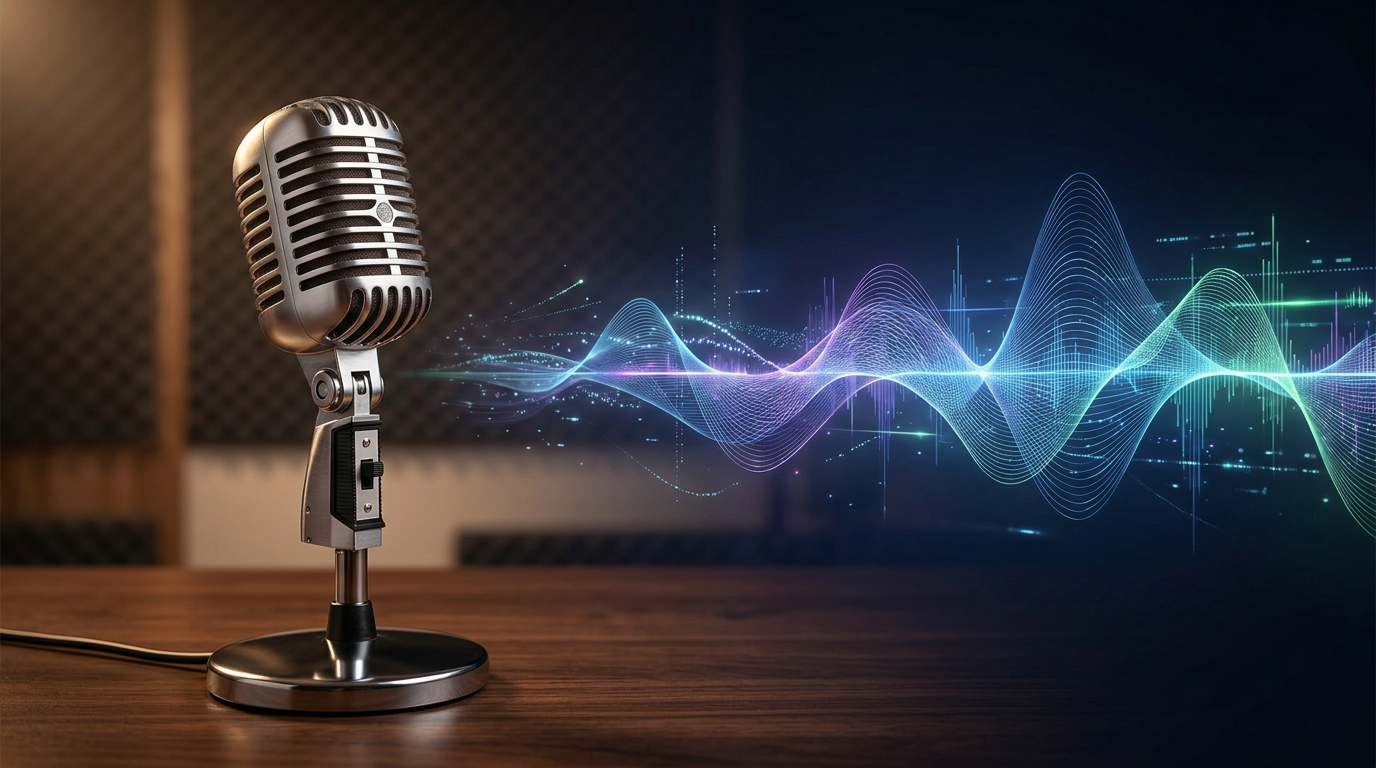
The days of robotic, monotone text-to-speech are firmly in the rearview mirror. Modern voice synthesis operates on complex neural networks that do more than just map phonemes; they interpret the "texture" of a voice. By analyzing vast datasets, these systems learn to replicate specific cadences, breathing patterns, and the subtle emotional inflections that make human communication feel authentic. It is not merely a technical reproduction of sound waves, but an AI interpretation of intent.

High-fidelity AI synthesis distinguishes itself from simple voice cloning by focusing on context. A static clone might repeat a phrase perfectly, but a sophisticated model understands that the same sentence requires a different tone depending on whether it is a comedic roast or a heartfelt birthday wish. When creators leverage these tools, they are tapping into a nuanced layer of performance, allowing them to bridge the gap between static content and dynamic, character-driven storytelling.
The Role of Context in Persona Building
At the heart of compelling AI content is the ability to maintain a consistent persona. A voice is only as strong as the character behind it. Successful creators prioritize the "vibe" of the persona, ensuring that the AI’s delivery aligns with the character's established history, catchphrases, and personality traits. This is why context-aware AI is superior to raw audio processing; it allows for a performance that feels tailored rather than generated. Whether you are crafting a short-form sketch or a longer narrative arc, consistency is the key to audience retention.
From Satire to Storytelling: The Creative Spectrum
The most exciting applications of AI voice tools today are found in the realms of satire, fan fiction, and interactive comedy. Creators are no longer limited to what they can record in a home studio; they are experimenting with high-energy personas that would otherwise be inaccessible. For example, a creator might leverage the distinct, larger-than-life energy found in an AI version of Shaq to anchor a sports-themed skit, or explore the versatile, modern pop-culture presence of an AI interpretation of Sydney Sweeney to drive a narrative-heavy fan dub.
This is the new frontier of fandom. By using these tools, creators can produce content that feels like a collaborative effort between the audience and the icon. Whether it is a parody video that requires a specific, recognizable tone or a "what-if" scenario in a fan-fiction project, the ability to synthesize these voices at scale changes the economics of content creation. It turns the passive experience of watching a video into an active, creative playground. By moving beyond the limitations of traditional celebrity bookings, creators can now iterate on their ideas in minutes rather than weeks.
Building a Character: A Creator’s Framework
To use AI voices effectively, you need a strategy that goes beyond simple generation. If you treat the AI as a plug-and-play narrator, your content will likely fall flat. Instead, view the AI as a character actor who requires direction and context. Consider this framework when planning your next project:

- Persona Matching: Select a voice that aligns with your content's emotional core. High-energy characters work best for comedy, while more measured voices suit dramatic storytelling.
- The Three-Second Rule: Audience retention is won or lost in the first three seconds. Ensure the AI voice has a strong, recognizable hook immediately. Don't waste time on long, slow intros.
- Layered Sound Design: Never let the AI voice stand alone. Use background music, sound effects, and original foley to create a cohesive, immersive environment.
- Iterative Polishing: AI allows for rapid experimentation. Don't settle for the first output. Tweak your prompts and adjust the phrasing to capture the specific cadence you need for your scene.
By treating the AI voice as a character actor rather than just a narrator, you can elevate your production value significantly. The goal is to create a seamless experience where the technology disappears and the story takes center stage. When you integrate these voices into your workflow, you aren't just making content; you are building a digital universe.
The Ethics of Digital Personas
As with any powerful technology, maturity and transparency are essential. There is a clear distinction between harmless parody or fan-driven entertainment and malicious deception. The creative community thrives when creators are transparent about their tools and respect the intent behind the digital personas they use. At Fanfun, the focus is on building a safe, fun environment that celebrates fandom. By centering the platform around licensed and creative-first personas, we ensure that users can experiment with these tools in a way that respects intellectual property and fosters genuine creative exploration.
Transparency is the bedrock of the modern creator economy. When the audience knows they are engaging with a creative AI tool, the experience remains grounded in fun rather than confusion. This is why we advocate for clear labeling and responsible use cases—like birthday wishes, roasts, and fan-made memes—that prioritize joy and connection over deception. It is about augmenting human creativity, not replacing the human element entirely.
The Scalability of Fandom
Traditional celebrity interactions are inherently bottlenecked by time and geography. A creator might wait months for a cameo, only to receive a generic 30-second clip. AI changes this dynamic by allowing for high-frequency, high-relevance engagement. Imagine a scenario where a creator builds a series of short, episodic skits featuring an AI version of The Rock. Because the generation process is near-instant, the creator can respond to current events, trending memes, or specific fan requests in real-time. This level of responsiveness is impossible with legacy methods. It turns the creator from a mere observer of celebrity culture into an active participant who can shape the narrative daily.
Beyond the Voice: The Future of Interactive Fandom
Voice synthesis is just the opening act. The real shift in the creator economy is moving toward two-way, interactive AI chat. Traditional celebrity interaction—like a one-off video message—is static and limited. In contrast, the future of fandom is conversational. Users want to engage with an AI-powered Dwayne Johnson to hear his take on a new movie, or interact with a legacy-driven AI persona of Kobe Bean Bryant for inspiration and insight. Even classic icons like an AI-driven Mickey Mouse can now serve as the foundation for interactive storytelling that spans generations.
This evolution transforms the fan experience from a passive "watch and wait" model into a dynamic, real-time engagement. By combining voice, chat, and video, platforms like Fanfun are defining how we interact with our cultural icons. The technology is no longer just about replicating a sound; it is about extending the reach of a personality and giving fans a seat at the table in the stories they love most. Whether you are a creator looking to build a new narrative or a fan wanting to connect with an icon in a deeper way, the tools are ready. The only remaining variable is your imagination. By embracing these tools, you are not just keeping pace with the industry—you are setting the benchmark for what high-engagement, AI-integrated content can become in the modern digital age.
How does AI voice synthesis differ from traditional voice acting?
Traditional voice acting relies on a human performer's physical instrument, offering unique, unscripted emotional depth. AI voice synthesis uses neural networks to interpret text, providing instant, scalable, and consistent delivery that is ideal for rapid content creation and creative parody.
Is it legal to use AI voices of public figures for parody?
Parody and satire are often protected forms of creative expression. However, the legal landscape is evolving. Using AI for entertainment within creative frameworks is generally different from using a likeness to deceive or impersonate for fraudulent purposes. Always prioritize transparency and creative intent.
How does Fanfun ensure its AI voice generator remains used for creative purposes?
Fanfun prioritizes a creative-first, fandom-focused environment. By maintaining a library of licensed and authorized personas and providing clear guidelines for usage, the platform encourages users to engage in lighthearted, safe, and imaginative storytelling rather than deceptive practices.
Can I create my own interactive character using Fanfun?
Yes, Fanfun allows users to engage with a growing library of interactive AI personas. You can explore the existing roster of icons to create, chat, and share content, turning your favorite characters into active participants in your creative projects.