The Rhetoric of Rhythm: Why AI Voice Generators Are Changing Political Satire
Political figures like Donald Trump possess a distinct rhythmic cadence that goes beyond mere tone. Here is how to capture that nuance to elevate your creative projects.
Political satire has long relied on the mimicry of public figures to expose the absurdities of the day. In the past, this required a gifted impressionist or hours of tedious audio splicing. Today, the landscape has shifted entirely. With the rise of advanced AI voice technology, creators can now access the specific vocal signatures of global icons, world leaders, and beloved characters, allowing for a new era of high-fidelity, instant content creation.
However, simply generating a voice is not enough to make a point land. The difference between a flat, robotic reading and a sharp, satirical masterpiece lies in the understanding of rhythm. Great satire is musical; it relies on the specific cadence of the subject to deliver a punchline that feels authentic. Mastering this requires moving beyond basic text-to-speech workflows and learning how to conduct an AI persona like a symphony.
Decoding the Cadence: What Makes a Voice Iconic
Most standard text-to-speech engines fail because they treat language as a flat, linear stream of data. They prioritize phonetic accuracy over the human reality of speech. When you listen to a high-profile political figure, you aren't just hearing a vocabulary; you are hearing a specific rhythmic architecture. This architecture relies on staccato delivery, intentional repetition, and the strategic use of silence.
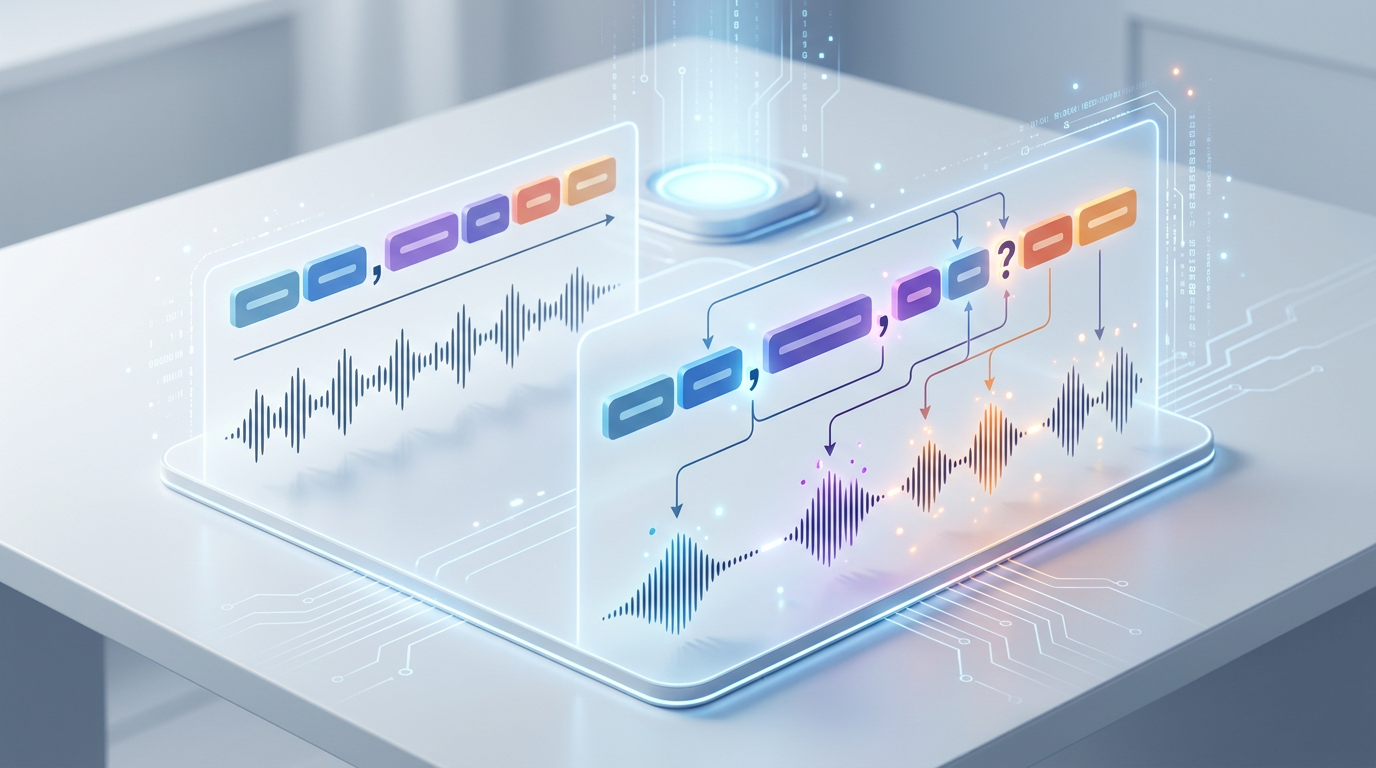
To capture a truly recognizable voice, you must look beyond the pitch. The "Trumpian" style, for example, is defined by its hyperbole and circular phrasing. It is a cadence of emphasis. When creating content that mimics this, the AI generator needs to be prompted with an understanding of these rhythmic breaks. If your script doesn't incorporate the natural pauses where a speaker might emphasize a point or pivot to a new thought, the output will inevitably sound like a generic robot reading a news ticker. Using a specialized tool like the Donald Trump Ai Voice allows you to bypass the generic limitations of basic software, as these models are tuned to respect the specific cadence of the persona rather than just the dictionary definition of the words.
The Role of Intent in Prompting
Authenticity in AI audio comes from intent. If you feed an AI a dry, academic paragraph, the result will be dry and academic. To get the best out of an AI voice generator, you must treat your script like a musical score. Use punctuation not just for grammar, but for pacing. Ellipses, em-dashes, and line breaks are your best tools for forcing the AI to recreate the "breath" and "thought" patterns of the persona you are targeting. Think of your script as a set of stage directions; if you want the AI to sound skeptical, add an ellipsis before the punchline to simulate a momentary pause for effect. This level of granular control is what separates amateur content from professional-grade satire.
From Satire to Storytelling: Creative Use Cases
Once you move past the technical hurdle of cadence, the creative applications for AI voices open up significantly. Satire relies on the juxtaposition of a recognizable voice with unexpected content. A classic technique is the "mock-interview," where an AI persona provides commentary on mundane, everyday topics, creating a humorous disconnect between the gravity of the voice and the triviality of the script. Imagine a high-stakes, action-hero persona discussing the frustrations of waiting in line at the DMV—the humor is derived entirely from the contrast between the voice's intensity and the mundane subject matter.
Beyond pure comedy, creators are using these tools to build immersive, character-driven storytelling. Whether you are producing a short-form video for social media or a scripted podcast episode, the ability to inject a "celebrity-style" presence into your work without the logistical nightmare of scheduling or talent contracts is a game changer. It shifts the audience experience from passive listening to active engagement with a recognizable character archetype. This is where modern creators find their edge, moving from generic content to high-engagement, personality-led media. By leveraging these digital tools, creators can iterate on ideas in real-time, responding to cultural moments as they happen rather than waiting for traditional production cycles to catch up.
The Fanfun Advantage: Beyond Static TTS
At Fanfun, we recognize that creators don't just want a voice—they want a persona. Our platform is engineered to prioritize the rhythmic personality that makes a figure iconic, rather than just hitting the phonetic notes. This approach ensures that the output feels like a performance rather than a recording. When you use a tool like the Dwayne Johnson Ai, the goal is to capture that specific blend of charisma and intensity that defines his public persona, allowing you to build content that resonates with your audience instantly.
The power of the platform lies in its breadth. Whether you need the gravitas of a global leader or the nostalgic, lighthearted energy of a character like Mickey Mouse, the Fanfun library provides a spectrum of options. By consolidating these voices into one instant-access platform, we eliminate the need for complex, manual audio editing workflows that typically require hours of post-production to get "just right." With Fanfun, you generate in minutes, not days. This speed is essential for creators who need to stay relevant in a 24-hour news cycle or a fast-paced social media landscape. We provide the tools, but the creative vision remains entirely in the hands of the user, allowing for a level of customization that was previously reserved for high-budget studios.
Choosing the Right Persona for Your Project
Not every voice suits every script. Choosing the right persona is about matching the energy of your content to the established "vibe" of the character. A high-energy, motivational script might work perfectly with the The Rock Dwayne Johnson, which brings a specific type of intensity and cadence to the audio. Conversely, a deadpan or dry, satirical take might require a completely different vocal profile. For projects involving pop culture commentary, you might look toward the Sydney Sweeney persona to bring a modern, relatable tone that contrasts sharply with the more traditional, authoritative voices often used in political satire.
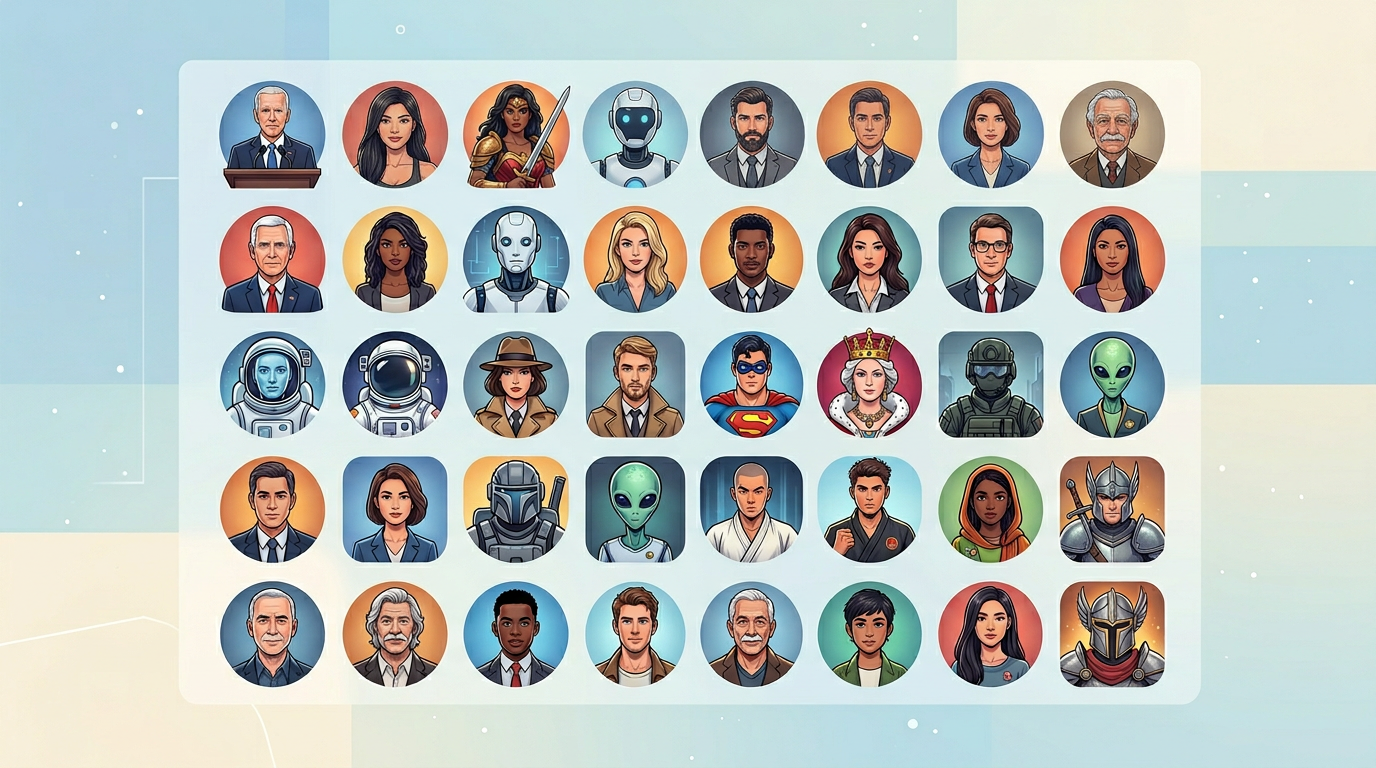
Use this simple checklist to determine which persona fits your project:
- Energy Level: Does your script require high-octane delivery or a more measured, thoughtful pace?
- Audience Familiarity: How recognizable does the voice need to be for the humor or the message to land?
- Roleplay Context: Is the persona playing a character, or are they providing commentary?
- Tone Consistency: Does the cadence of your script match the natural speaking style of the chosen AI?
Best Practices for AI Voice Prompting
The first generation is rarely the final version. Treat your work with an AI voice generator as an iterative process. If the rhythm feels off, adjust your punctuation. Add line breaks to force a pause, or use commas to slow down a run-on sentence. Structure your sentences to mirror the natural speaking style of the persona; if you are using a character known for short, punchy sentences, don't feed the engine long, complex paragraphs. For example, if you are working with a character like Hello Kitty, the script should be concise, upbeat, and rhythmically simple to maintain the character's established charm. This iterative approach allows you to refine the "performance" until it feels indistinguishable from the real thing in the context of your specific project.
Ultimately, the goal of using an AI voice generator is to enhance your storytelling. By focusing on the rhetoric of rhythm and selecting the right persona for the job, you can create content that feels human, intentional, and genuinely engaging. The technology is no longer a barrier; it is your most powerful instrument for creative expression. As the tools continue to evolve, the barrier to entry for high-quality production will continue to drop, placing the power of professional audio synthesis into the hands of anyone with a creative spark and a clear vision.
How do I make an AI voice sound more natural?
Focus on punctuation. Use commas, periods, and line breaks to force the AI to pause and breathe. The pacing of your script is just as important as the words themselves.
Can I use AI voice generators for commercial content?
Always check the terms of service for your specific tool. At Fanfun, we provide licensed and original personas designed for creative content, but creators should ensure their use aligns with platform guidelines and intellectual property standards.
What makes a Donald Trump AI voice sound realistic?
It comes down to capturing the specific cadence—the repetition, the emphasis on certain keywords, and the unique rhythmic breaks that define that specific speaking style.
Is it hard to use an AI voice generator for the first time?
Not at all. Platforms like Fanfun are designed for instant results. You input your text, select your persona, and the AI handles the complex audio processing for you, allowing you to focus on the creativity of your script.