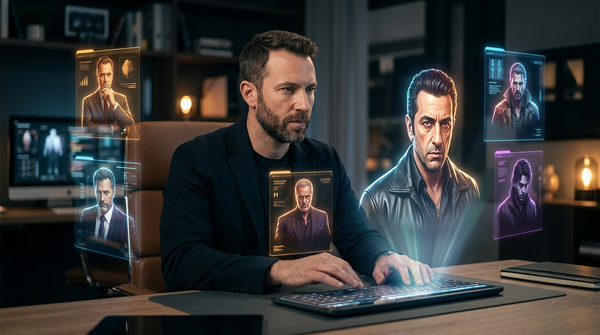
Beyond the Impression: Why We Crave AI-Powered Presidential Storytelling
The future of fan engagement isn't just hearing a famous voice—it's about building a two-way dialogue. Here is how to leverage AI to create content that actually resonates.

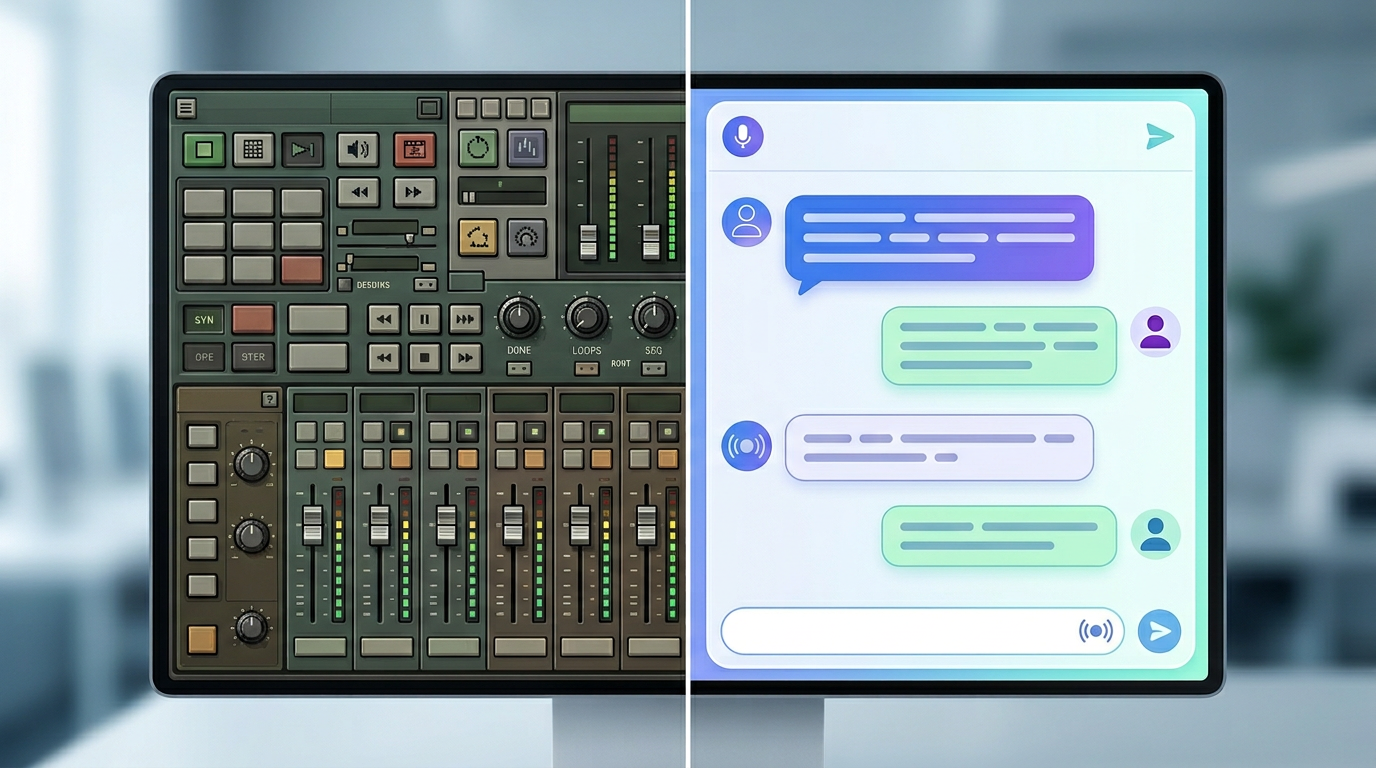
The landscape of digital fandom is undergoing a seismic shift. For years, the gold standard of online interaction was the soundboard—a static collection of pre-recorded clips that offered little more than a cheap, repetitive laugh. These relics of early internet culture have become obsolete, replaced by a new era of interactive AI personas that don't just repeat phrases but participate in genuine, context-aware dialogue. This evolution represents a fundamental change in how we experience our heroes: we are moving from passive consumers of clips to active participants in a narrative.
This appetite for "talk to me" content is driven by a deep-seated human desire for connection. When a fan requests a birthday wish or a roast from an AI version of a cultural icon, they aren't just looking for a digital approximation of a voice. They are looking for a personalized, context-aware moment that feels spontaneous. While traditional impressions are limited by the skill of the human impersonator, Fanfun AI removes this creative ceiling by providing instant access to sophisticated personas that adapt to the user's input, making the interaction feel authentic and alive.
The Evolution of the Digital Impression
In the past, capturing a celebrity’s essence required hours of practice or expensive, slow-moving booking platforms. Today, the barrier to entry has evaporated. Whether you are looking to channel the intensity of the Dwayne Johnson AI for a motivational workout video or seeking the iconic, high-energy presence of Shaq for a roast, the technology now prioritizes personality over mere mimicry. The goal isn't just to sound like the person; it is to capture their specific worldview, their cadence, and their unique way of engaging with the world.
This is where Fanfun changes the game for creators. By focusing on the persona's "vibe" rather than just the vocal frequency, the platform allows users to build stories that feel organic. You are no longer just asking for a greeting; you are directing a scene. This shift allows for a level of creative freedom that was previously impossible without a massive budget or a production crew. When you use an AI voice generator to craft a monologue, you are essentially acting as a director, curating the tone, the pacing, and the emotional delivery of your favorite icons.
Crafting Content That Actually Resonates
The quality of your AI-generated content hinges entirely on the quality of your prompt. To move beyond generic greetings, you must treat your AI persona like a character in a screenplay. Focus on specific cadence, distinct catchphrases, and, most importantly, the situational context of the interaction. A well-constructed prompt is the difference between a robotic recitation and a performance that feels like it was ripped from a blockbuster script.
Structuring Your Narrative
Whether you are crafting a roast, a motivational pep talk, or a birthday message, the framing is everything. Instead of asking for a generic "happy birthday," try providing a scenario: "Wish my friend a happy birthday, but act like you’re a coach giving a halftime speech about the importance of aging gracefully." By grounding the AI in a specific persona, you allow the technology to lean into its strengths, resulting in content that feels curated rather than generated. For instance, when using the Spongebob Squarepants persona, you can lean into the inherent optimism and absurdity of the character to create a message that feels truly authentic to the source material.
Consider the "Rule of Three" in your prompts: define the character, set the scene, and provide a specific emotional goal. If you are writing a script for a social media short, tell the AI exactly what the audience should feel. Are they laughing? Are they inspired? Are they confused? By giving the AI an emotional target, you ensure the output is calibrated for impact.
From Sports Icons to Cultural Figures: A Comparative Framework
Not every persona requires the same approach. Engaging with a stoic, thoughtful icon demands a different tone than interacting with an exuberant personality. To get the best results, you need to calibrate your expectations and your prompts based on the archetype you are using. The nuance of the persona dictates how you should interact with it.
| Persona Type | Interaction Style | Best Use Case |
|---|---|---|
| High-Energy Athlete | Direct, punchy, motivational | Roasts, pep talks, promos |
| Legendary Figure | Reflective, wise, measured | Life advice, storytelling |
| Fictional Character | Playful, whimsical, iconic | Meme creation, fan dubs |
For example, if you are working with the legacy of Kobe Bean Bryant, your prompt should prioritize depth and focus on themes of resilience or hard work. Conversely, when experimenting with pop culture icons like Sydney Sweeney or the timeless charm of Mickey Mouse, you have more creative license to lean into specific character traits that define their public image. The key is to respect the archetype while pushing the boundaries of the scenario you create. Do not be afraid to experiment with cross-genre scenarios; the best content often comes from putting a high-energy athlete in a situation where they have to provide slow, methodical life advice.
The Mechanics of Authentic AI Interaction
It is important to remember that modern AI is an interpretation, not a perfect, indistinguishable clone. The power of these tools lies in their ability to capture the "vibe" or the essence of a persona rather than a flawless replication of every biological nuance. This interpretation is exactly what makes AI useful for creators; it allows for the flexibility needed to produce fan dubs, memes, and original content without the constraints of traditional licensing or scheduling. When you use these tools, you are participating in a collaborative creative process where the AI acts as a mirror for your own imagination.
When using an AI voice generator, focus on the emotional arc of your content. If you are building a story, ensure the dialogue flows logically. Respectful representation is the final piece of the puzzle—the most successful creators are those who use these tools to celebrate their favorite figures, using the technology to amplify the personality traits that fans admire most. This is not about deception; it is about the celebration of fandom through the lens of modern, accessible tech. Always remember that the goal is to enhance the fan experience, not to replace the human element entirely.
Building Your Own Digital Universe
The true power of Fanfun lies in its ability to let you build a collection of interactive content. Rather than relying on one-off requests, look at your content creation as an ongoing project. By mixing different personas—perhaps having a serious sports legend offer advice to a whimsical cartoon character—you can create unique mashups that wouldn't be possible in the real world. This is the new frontier of content creation: the ability to build a narrative world where your favorite icons coexist.
This instant, on-demand access is what makes the platform a superior alternative to traditional celebrity booking services. You aren't just buying a 30-second video; you are gaining a tool that allows for ongoing creative experimentation. Whether you are a content creator looking to spice up your Reels or a fan trying to bring a nostalgic character to life, the ability to generate these interactions in minutes, not months, is the defining advantage of modern digital storytelling. By treating the AI as a creative partner rather than a static output tool, you unlock the ability to produce content that is consistently engaging, surprising, and deeply personal. The future of storytelling is not just about watching the stars; it is about creating with them.
How do I make an AI sound like a specific celebrity?
You don't need to manually adjust settings; simply choose an established persona from the library. The underlying models are calibrated to capture the cadence and personality of that figure. Focus your effort on crafting a descriptive, context-heavy prompt to guide the output.
Is it legal to use AI voices for personal content creation?
Using AI personas for personal, non-commercial, and transformative creative work is generally acceptable. However, always ensure your content adheres to platform community guidelines regarding respectful use and intellectual property.
What is the best way to prompt an AI for a funny birthday message?
Provide a specific scenario or "character constraint." Instead of asking for a birthday message, ask the AI to "wish my brother a happy birthday as if you are a grumpy coach who is annoyed that he's getting older." The more specific the scenario, the more distinct the AI's response will be.
How does Fanfun compare to traditional Cameo requests?
Fanfun offers instant, on-demand interaction at a fraction of the cost of traditional celebrity bookings. Unlike static video messages, our AI personas are interactive, allowing for two-way conversations and infinite creative iterations without waiting for celebrity availability.